
-
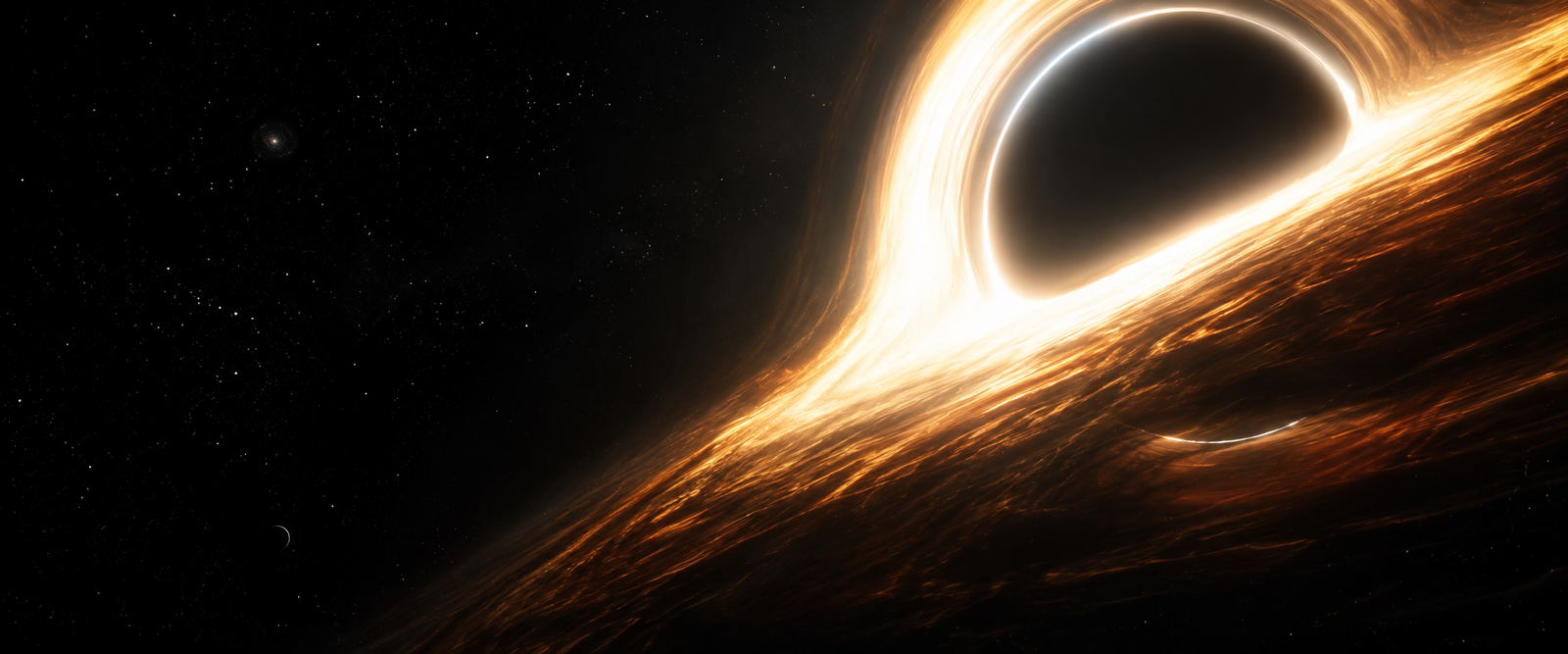
A Wandering Supermassive Black Hole Was Found Adrift in Space
Supermassive black holes are supposed to anchor the centres of galaxies. But astronomers just found one adrift 30,000 light-years out, with no galaxy around it — betrayed only when it shredded a passing star. Here’s how they caught this invisible giant, and what it reveals about how galaxies quietly grow by colliding. Read more
-
 3–4 minutes
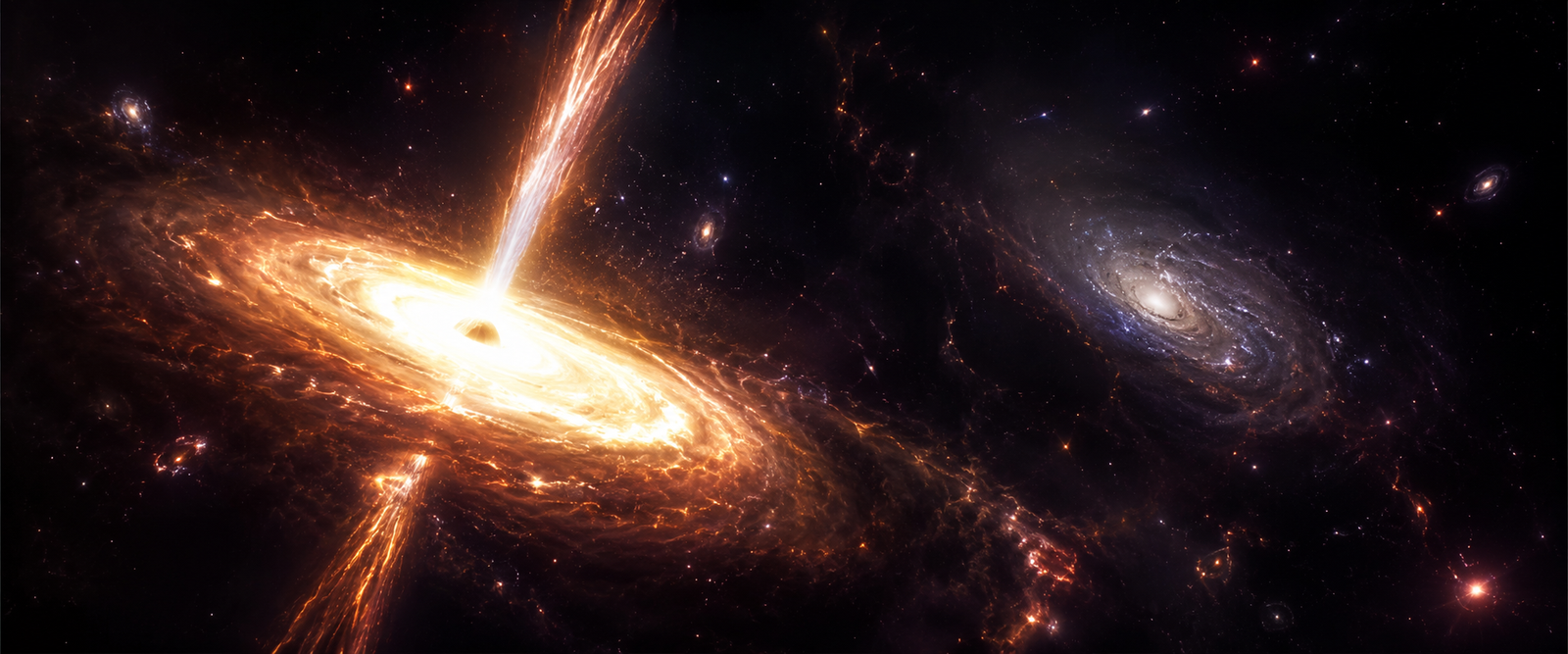
The Oldest Quasars in the Universe Shouldn’t Exist
Look far enough into space and you look back in time. In 2026, Euclid found the two most distant quasars ever seen — brilliant beacons from when the cosmos was just 670 million years old. The catch? The giant black holes powering them shouldn’t have existed yet. Here’s the mystery hiding in that ancient light. Read more
-
 3–4 minutes
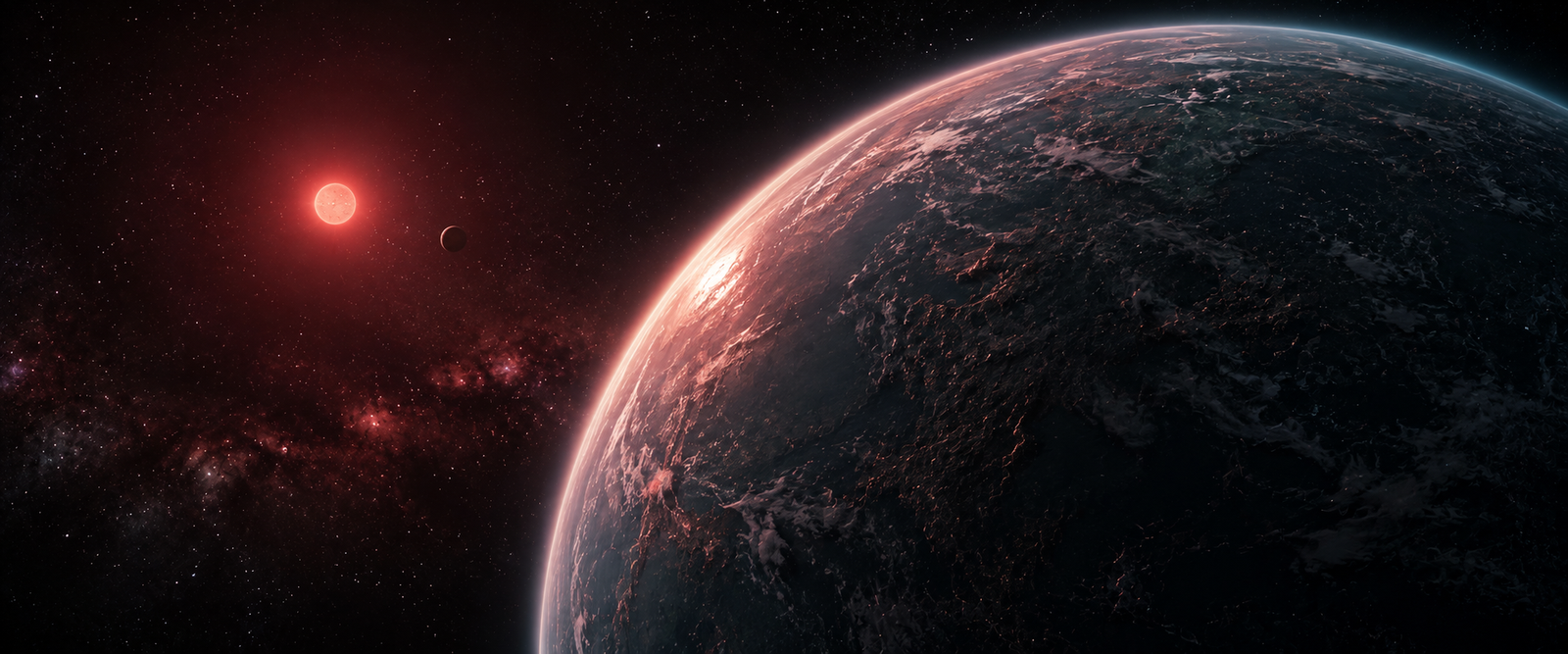
The First Atmosphere on a Habitable Zone Planet Was Just Found
For decades we found distant worlds but never knew if any could breathe. Now, 48 light-years away, a rocky super-Earth in its star’s temperate zone has revealed an atmosphere — detected not by sight, but by helium quietly leaking into space. Here’s why that quietly changes the entire search for life beyond our solar system. Read more
-
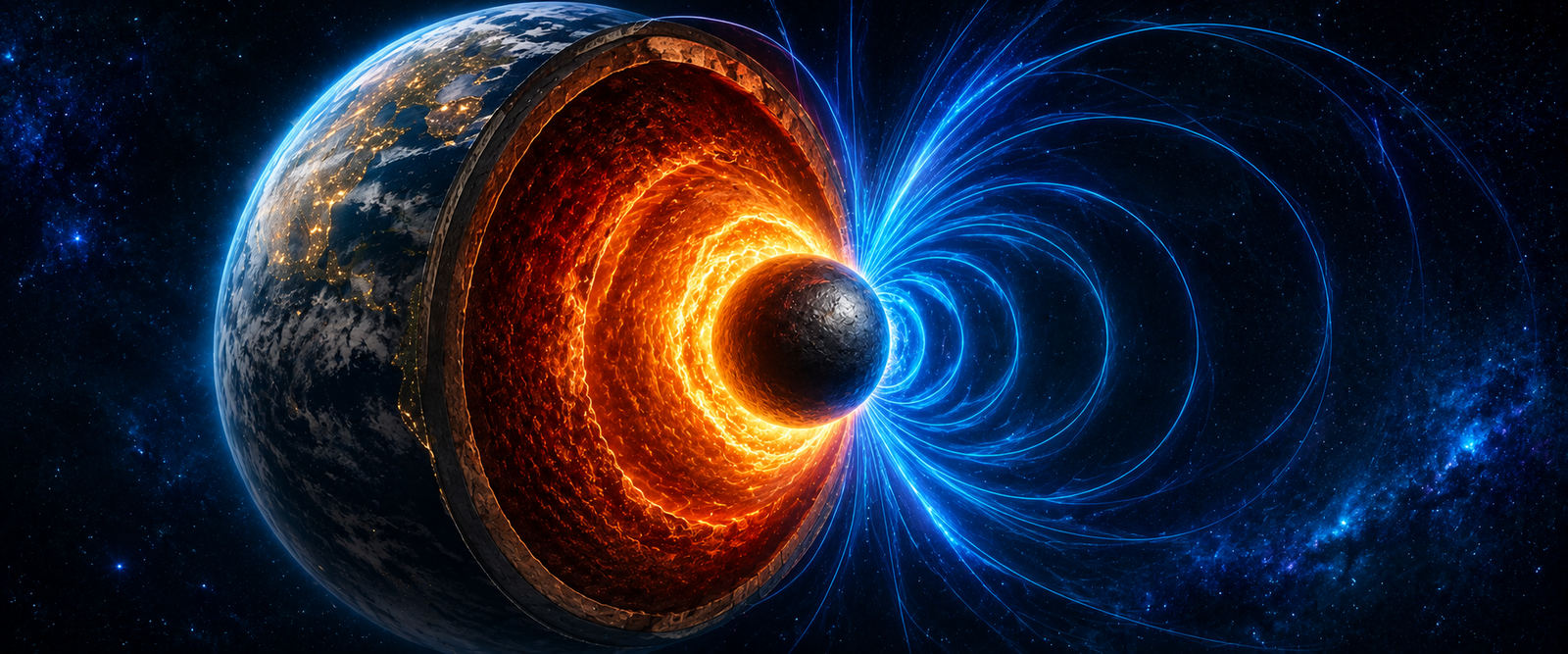
Why Earth’s Core Reversed Direction — And No One Knows Why
Five thousand kilometres down, a ball of solid iron the size of the Moon spins inside molten metal — and around 2009 it appears to have quietly flipped direction. Scientists can measure the reversal but can’t fully explain it. Here’s what we actually know about the planet’s strangest and most hidden mystery. Read more
-
 8–11 minutes
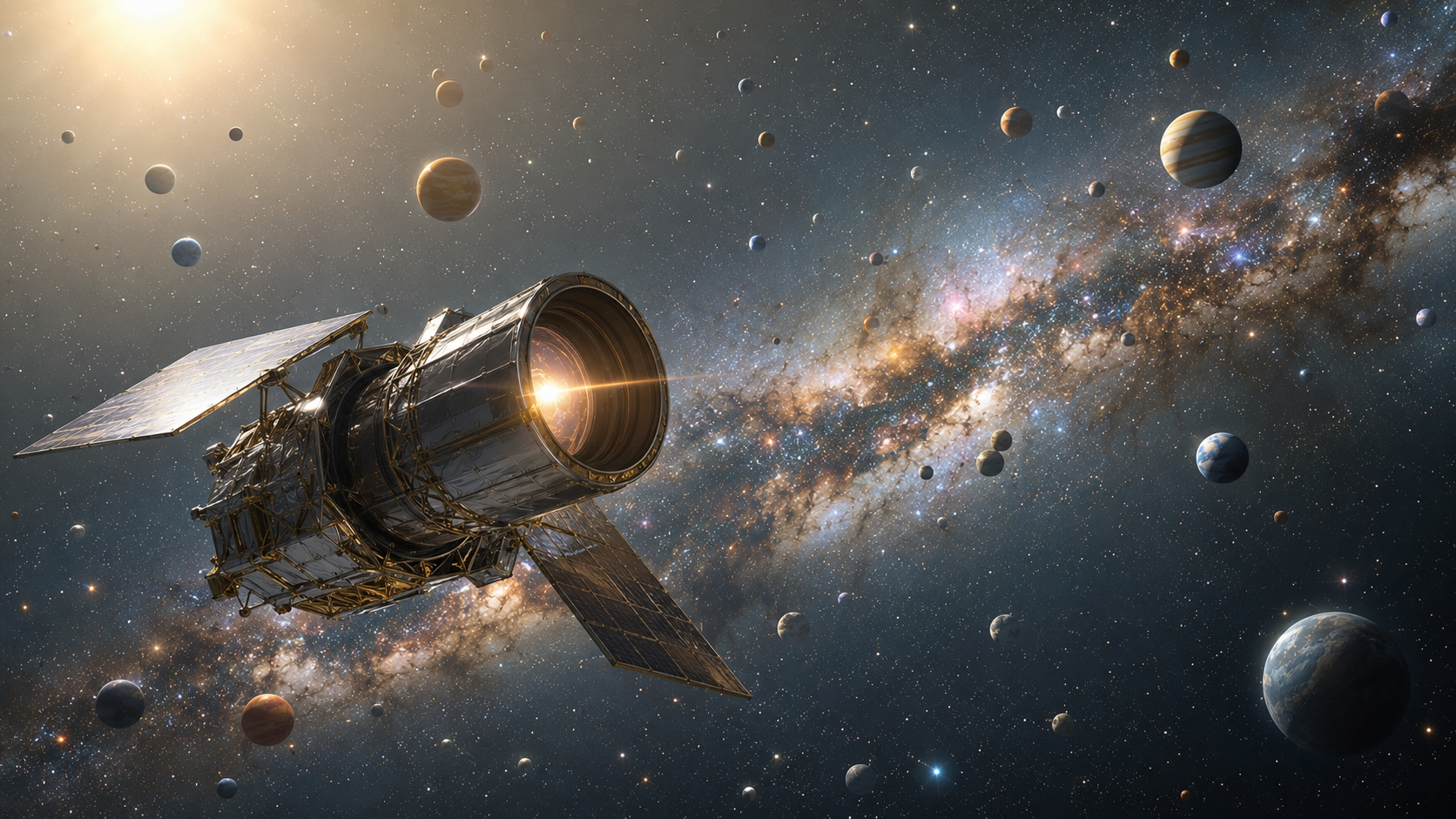
NASA’s New Telescope Could Reveal 100,000 Hidden Worlds at Once
Every planet ever confirmed outside our solar system was found one at a time. The NASA Roman Space Telescope is about to change that — discovering an estimated 100,000 exoplanets in a single mission, rewriting the map of the galaxy, and answering questions about dark energy that have stumped physics for decades. Read more
-
 7–11 minutes
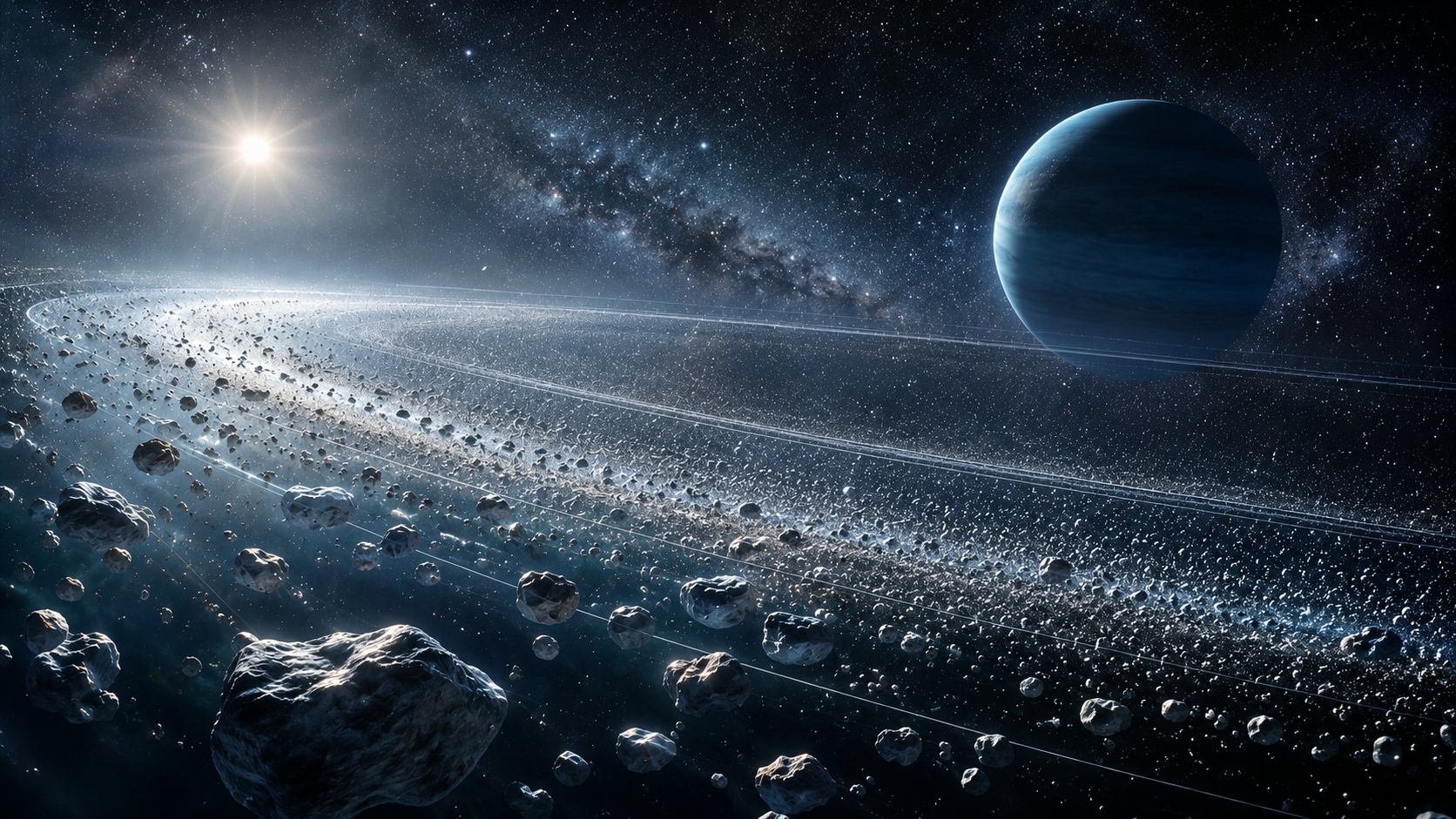
Planet Nine Mystery Just Got Darker — And Nobody Knows What’s Out There
There may be a planet the size of several Earths sitting in our own solar system — undetected, orbiting in complete darkness, unknown to science for the entirety of human civilization. New 2026 data was supposed to settle the question of whether Planet Nine exists. Instead, it made the mystery considerably darker. Read more
-
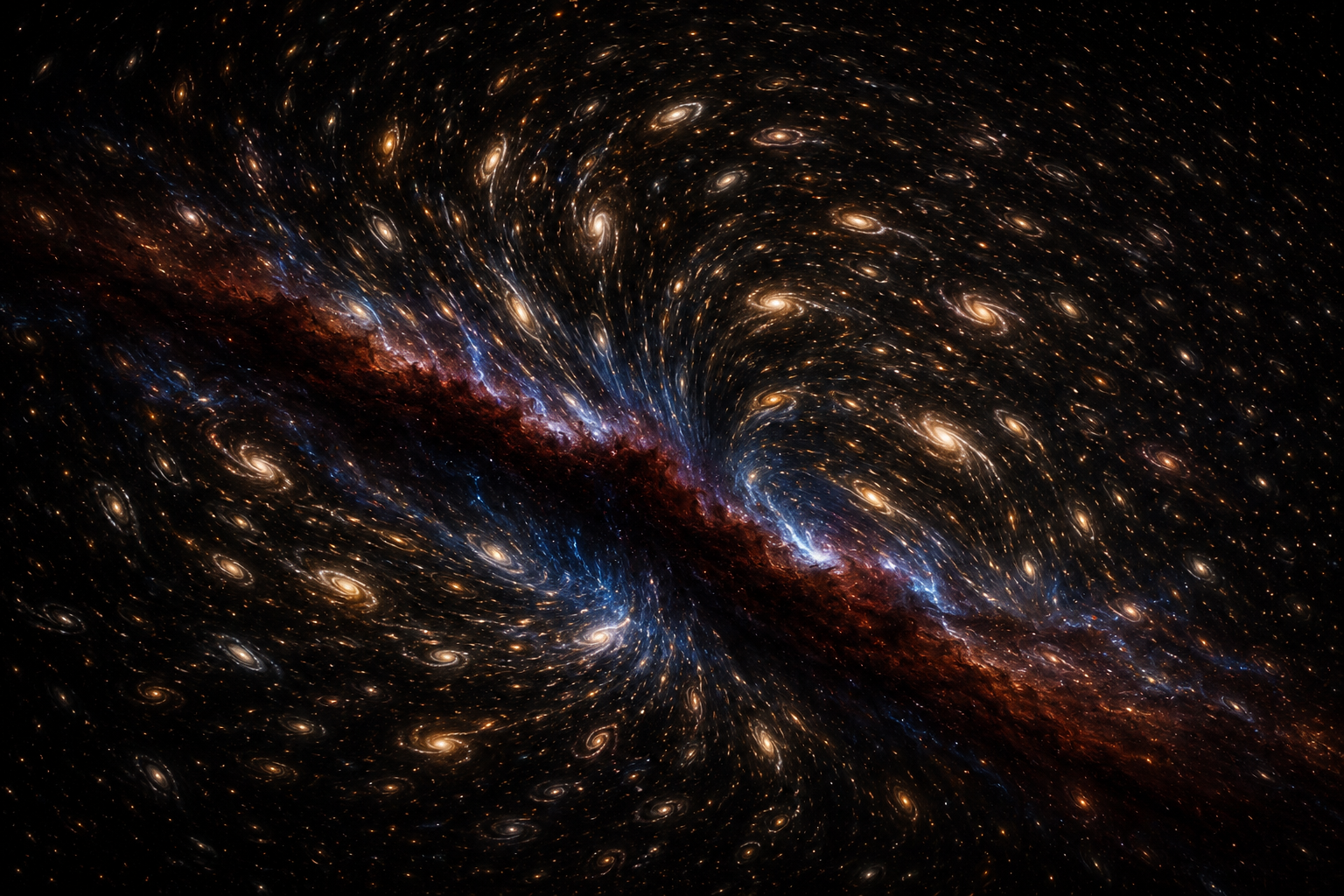
The Great Attractor — Something Is Pulling Our Entire Galaxy and Nobody Knows What It Is
Something is dragging the Milky Way through space at 600 kilometres per second — and it isn’t the universe’s expansion. It’s a gravitational anomaly called the Great Attractor, 150 million light-years away, containing the mass of tens of thousands of galaxies. We can’t see it directly. Our own galaxy is blocking the view. Read more
-
 5–8 minutes
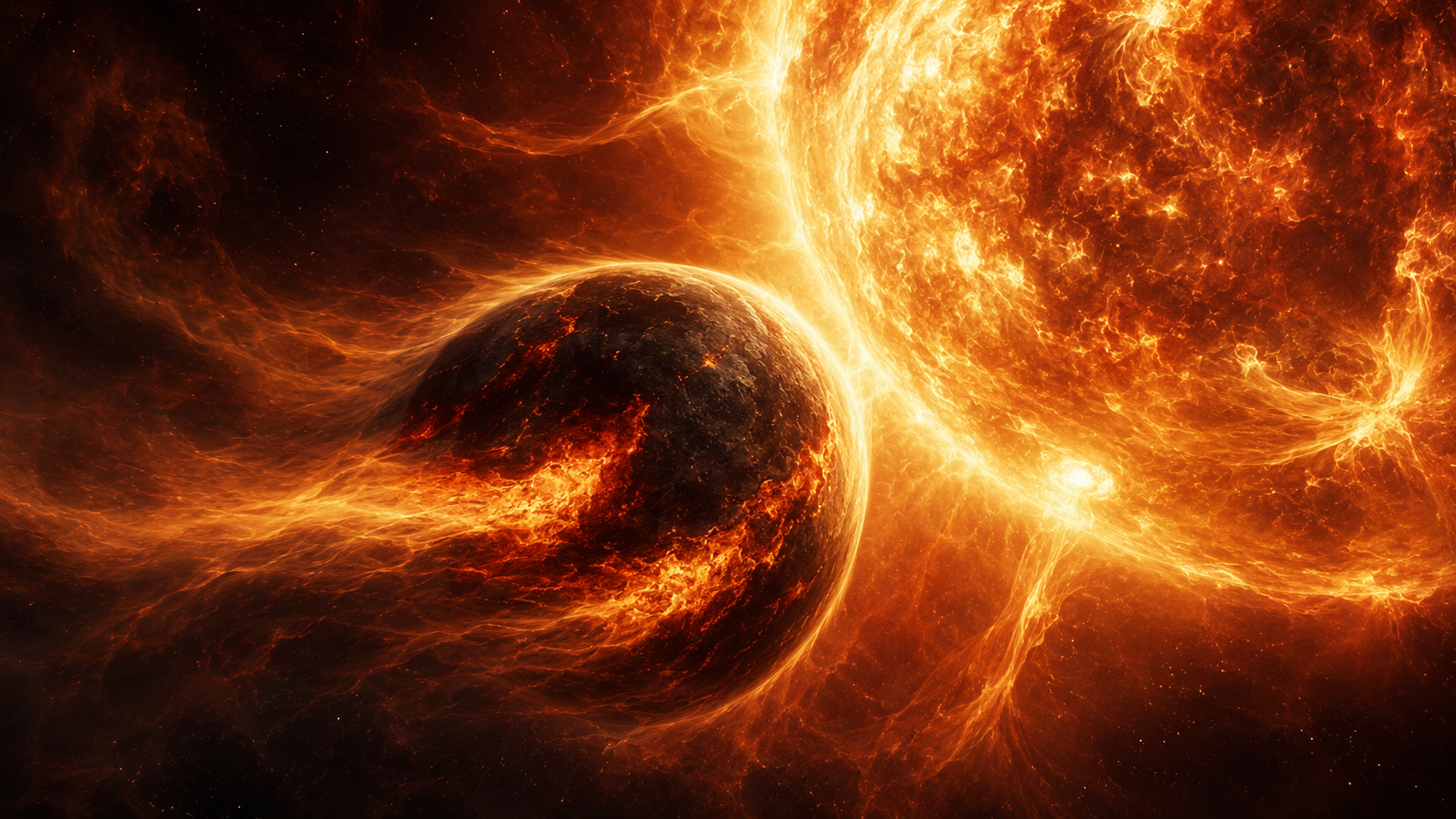
The Planet That Should Not Exist — But Does
Somewhere in the galaxy, a planet is orbiting its star backwards. Another is being slowly eaten alive, pulled apart in real time. A third formed inside a pulsar’s radiation field — a place where nothing should survive. These are not theories. They are confirmed worlds that broke every rule planetary science thought it had. Read more
-
 4–5 minutes
The Moon Is Drifting Away From Earth — Here’s What Happens When It’s Gone
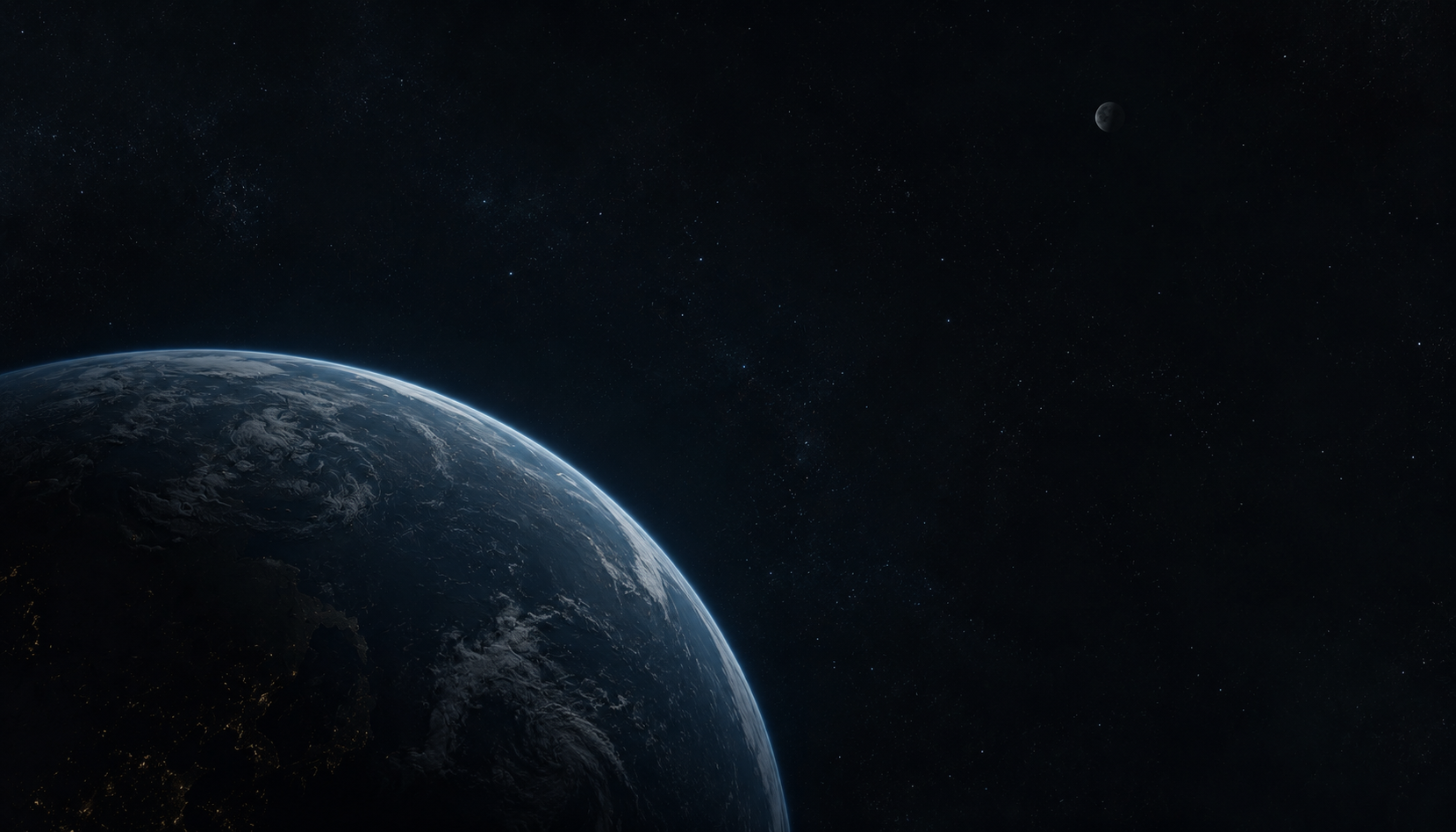
The Moon is moving away from Earth right now — 3.8 centimetres every year, confirmed by Apollo-era laser reflectors. It’s been drifting since the day it formed. And the planet it is slowly leaving behind would be almost unrecognisable without it. The stranger truth is: it may never actually leave. Read more
-
 6–9 minutes
What Happened in the First Second After the Big Bang?
The Big Bang gets all the credit. But the first second after it is where everything was actually decided — the forces, the particles, the razor-thin margin that chose matter over nothingness. Everything that exists, including you, was determined in less time than a heartbeat. Here’s what really happened. Read more