
-
 3–4 minutes
The Nocebo Effect — When Belief Alone Makes You Sick
Every year, patients in drug trials swallow a harmless sugar pill, get told about the real drug’s side effects — and develop those exact side effects. No active ingredient. Just words. This is the nocebo effect, and it quietly reshapes everything we think we know about how the body and belief interact. Read more
-
 7–11 minutes
Sleep Deprivation at 11 Days — What Happens to a Human Body Pushed to the Absolute Limit
In 1964, a seventeen-year-old named Randy Gardner stayed awake for 264 hours — eleven straight days. What happened to his body and mind along the way is one of the most disturbing demonstrations in science of just how fragile human consciousness really is. Here’s the full story, stage by stage. Read more
-
 7–10 minutes
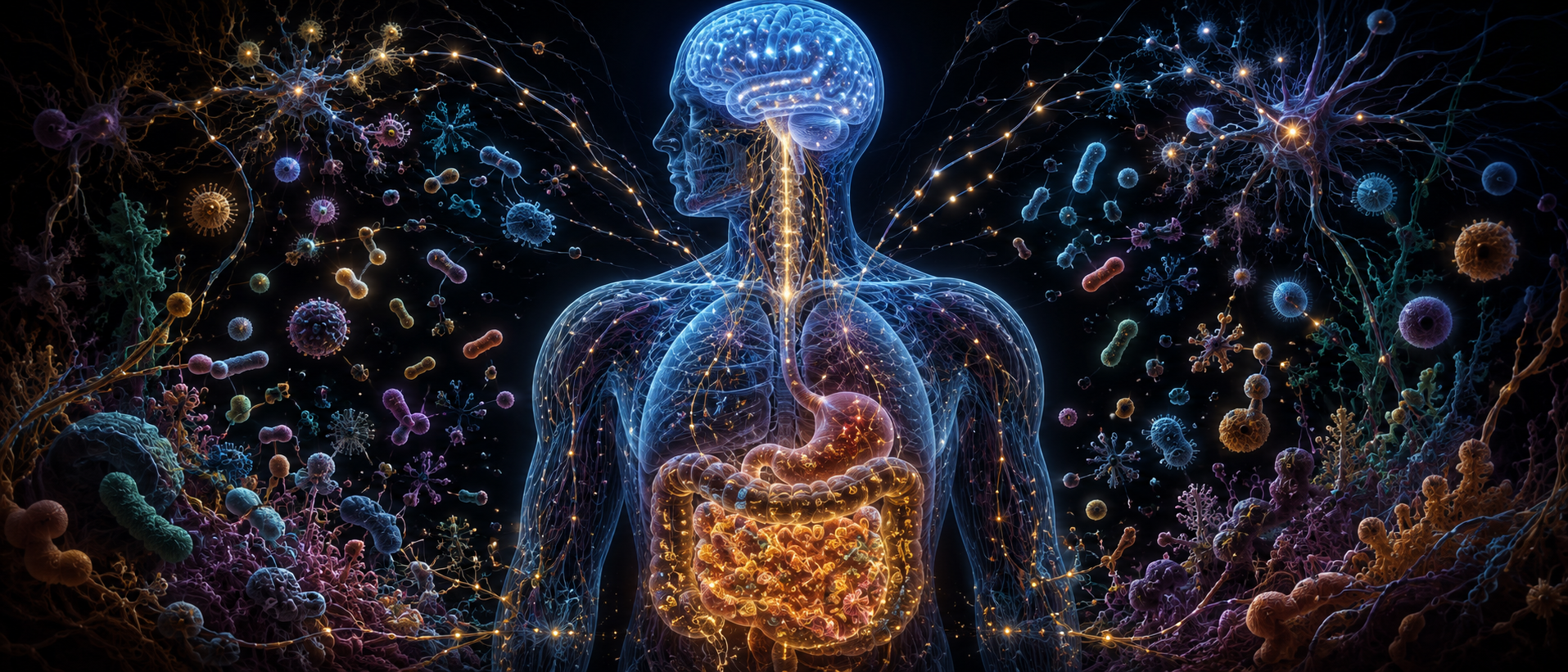
Gut Microbiome and Mood: Why Your Gut Might Be Running Your Brain
You assume your brain is in charge of how you feel. But a growing body of research suggests the 100 trillion microorganisms living in your gut are sending signals upward — signals that shape your anxiety, your stress tolerance, and your emotional baseline in ways the brain simply inherits. Read more
-
 6–9 minutes
Neuroscience Maps How Sleep Clears Toxic Brain Waste
Neuroscience has revealed that sleep is far more than rest—it activates the brain’s glymphatic system, a powerful network that clears toxic waste accumulated during the day. Discovered in 2012, this nightly cleaning process protects memory, supports long-term brain health, and may play a crucial role in preventing neurological diseases like Alzheimer’s. Read more