
-
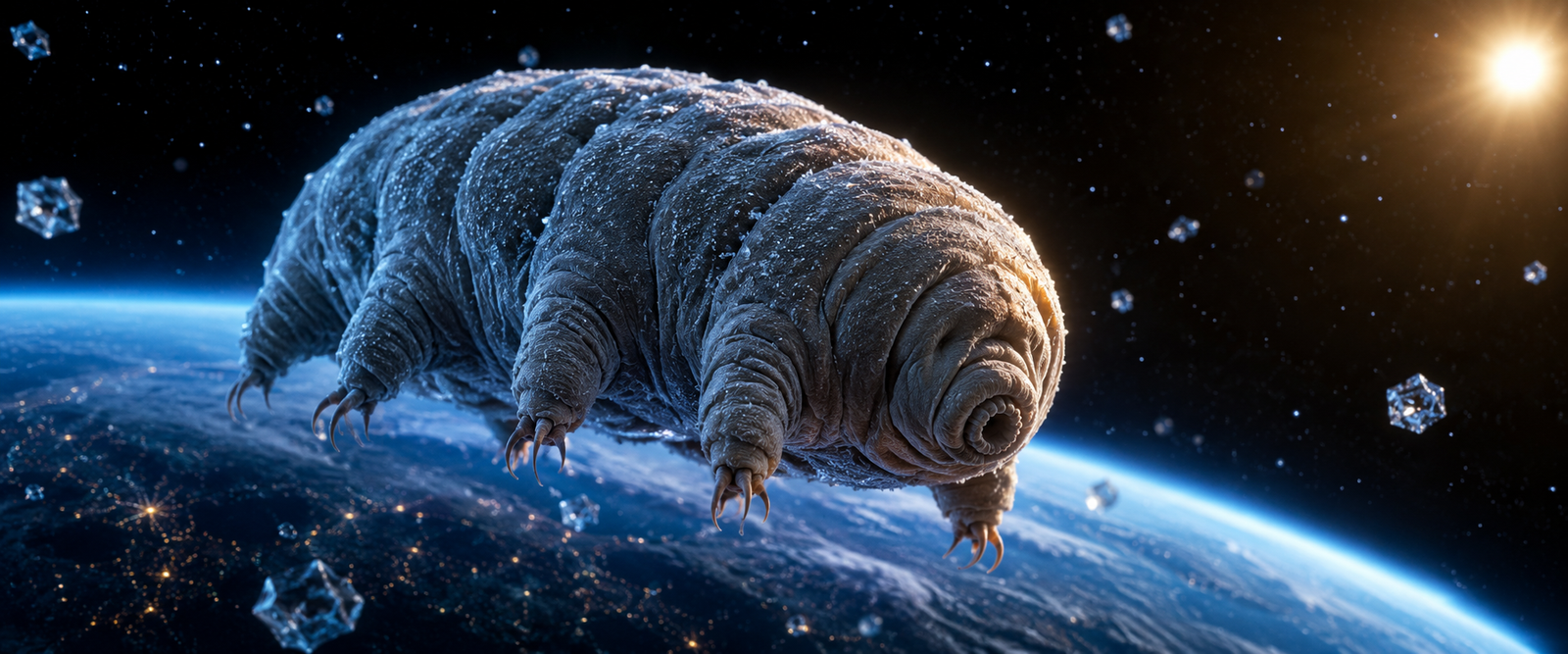
Tardigrades: The Animal That Can Survive Almost Anything
In 2007, scientists opened a satellite hatch and exposed thousands of microscopic animals directly to the raw vacuum of space. Ten days later, most of them simply woke up, and several went on to lay eggs that hatched normally. The reason is stranger than toughness — it’s closer to a pause button. Read more
-
 6–9 minutes
Could CRISPR Eliminate Hereditary Diseases Within a Generation? Scientists Are Closer Than Ever
CRISPR gene editing is transforming medicine by targeting the genetic roots of inherited diseases once thought untreatable. While eliminating all hereditary disorders within a generation remains unlikely, scientists are making remarkable progress against conditions like sickle cell disease and β-thalassemia, bringing humanity closer than ever to rewriting its genetic future. Read more
-
 4–5 minutes
10 Science Facts That Will Make You Question Everything You Know
Discover 10 mind-bending science facts that challenge everyday assumptions and reveal the strange truths hidden inside our universe, bodies, and planet. From invisible microbes living within you to stars older than the Sun, these fascinating discoveries will spark curiosity and make you see reality in a completely new way. Read more
-
 6–9 minutes
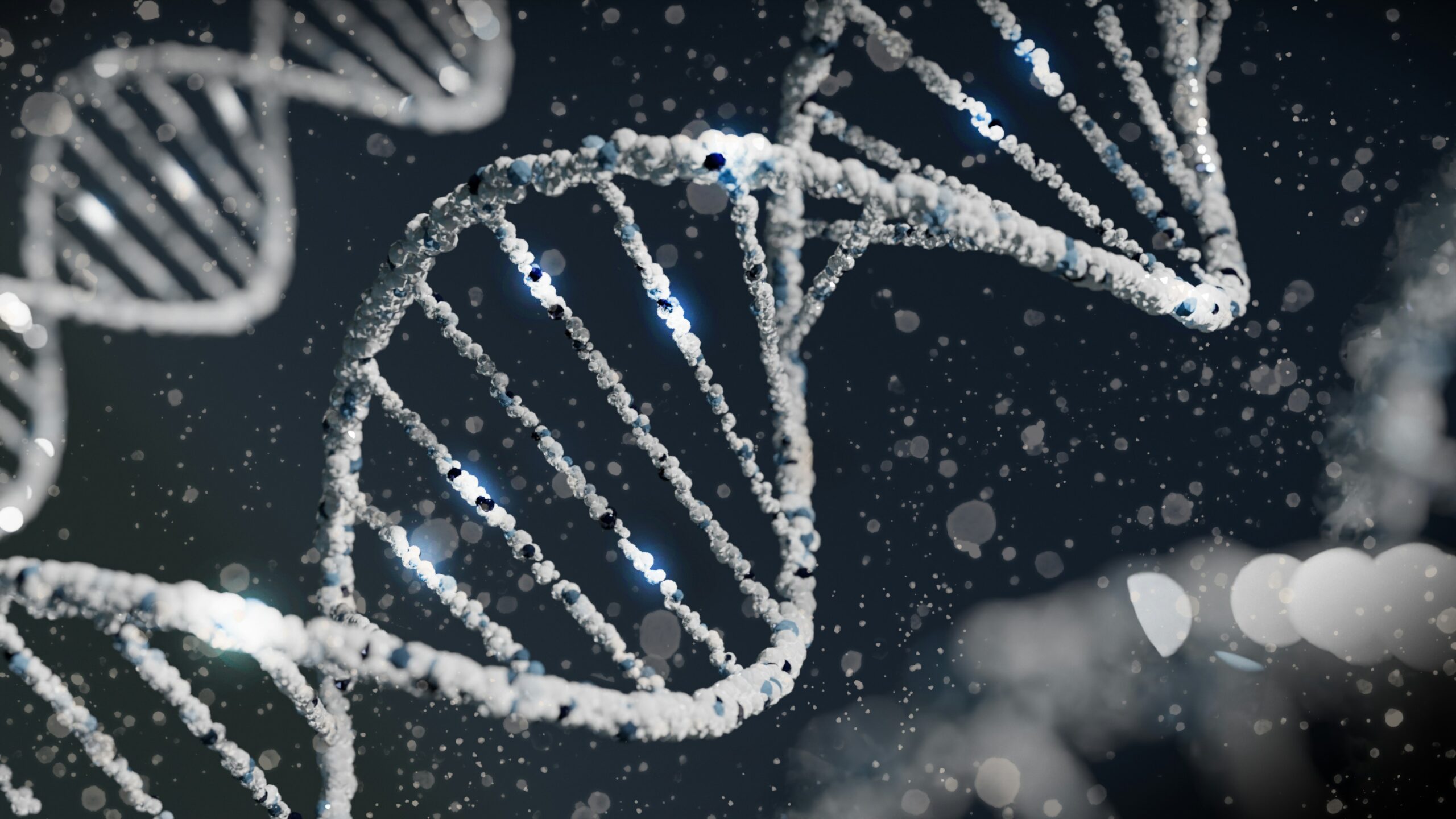
CRISPR 2.0: Gene Editing Without Breaking the DNA Strand
CRISPR 2.0 represents a major leap in gene editing technology, allowing scientists to modify DNA without breaking both strands. Developed through breakthroughs in base editing and prime editing since 2016, this next-generation approach promises safer genetic corrections and new treatments for inherited diseases once considered untreatable. Read more
-
 5–8 minutes
The Oldest DNA Ever Found — A Timeline of Record-Breaking Discoveries
From the first ancient DNA extracted in the 1980s to the discovery of 2-million-year-old genetic material in Greenland, scientists have repeatedly shattered expectations about how long DNA can survive. This timeline reveals the breakthroughs that transformed fossils into genetic time machines and reshaped our understanding of evolution. Read more