
-
 5–8 minutes
Lab-Grown Blood Is Here — And It Could End Donor Shortages Forever
For centuries, there has been only one way to get blood into someone who needed it — find a willing donor and hope. Now, for the first time in history, scientists have grown red blood cells in a laboratory and transfused them into a living human being. Lab grown blood is no longer a theory.… Read more
-
 6–9 minutes
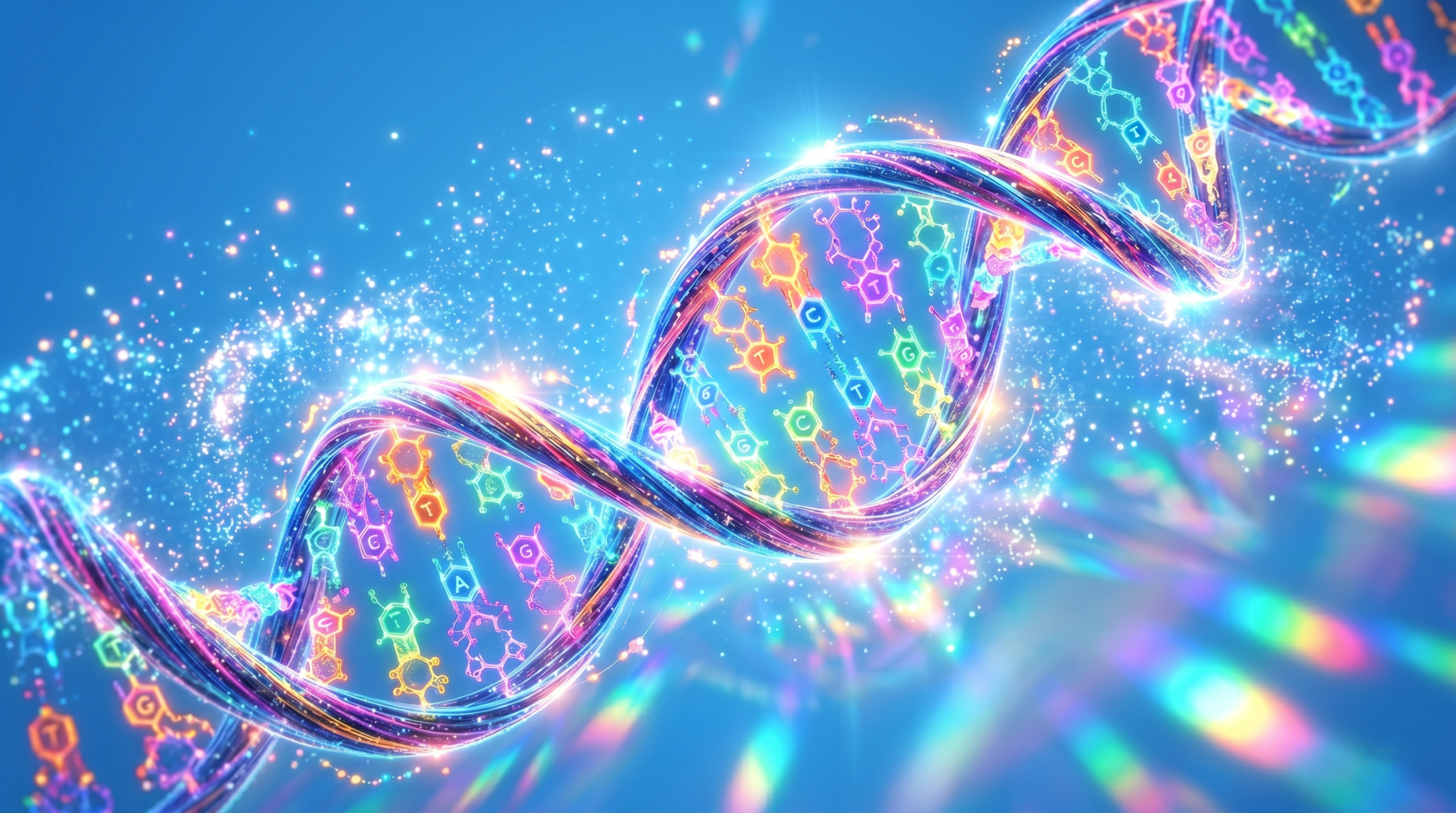
Could CRISPR Eliminate Hereditary Diseases Within a Generation? Scientists Are Closer Than Ever
CRISPR gene editing is transforming medicine by targeting the genetic roots of inherited diseases once thought untreatable. While eliminating all hereditary disorders within a generation remains unlikely, scientists are making remarkable progress against conditions like sickle cell disease and β-thalassemia, bringing humanity closer than ever to rewriting its genetic future. Read more
-
 6–9 minutes
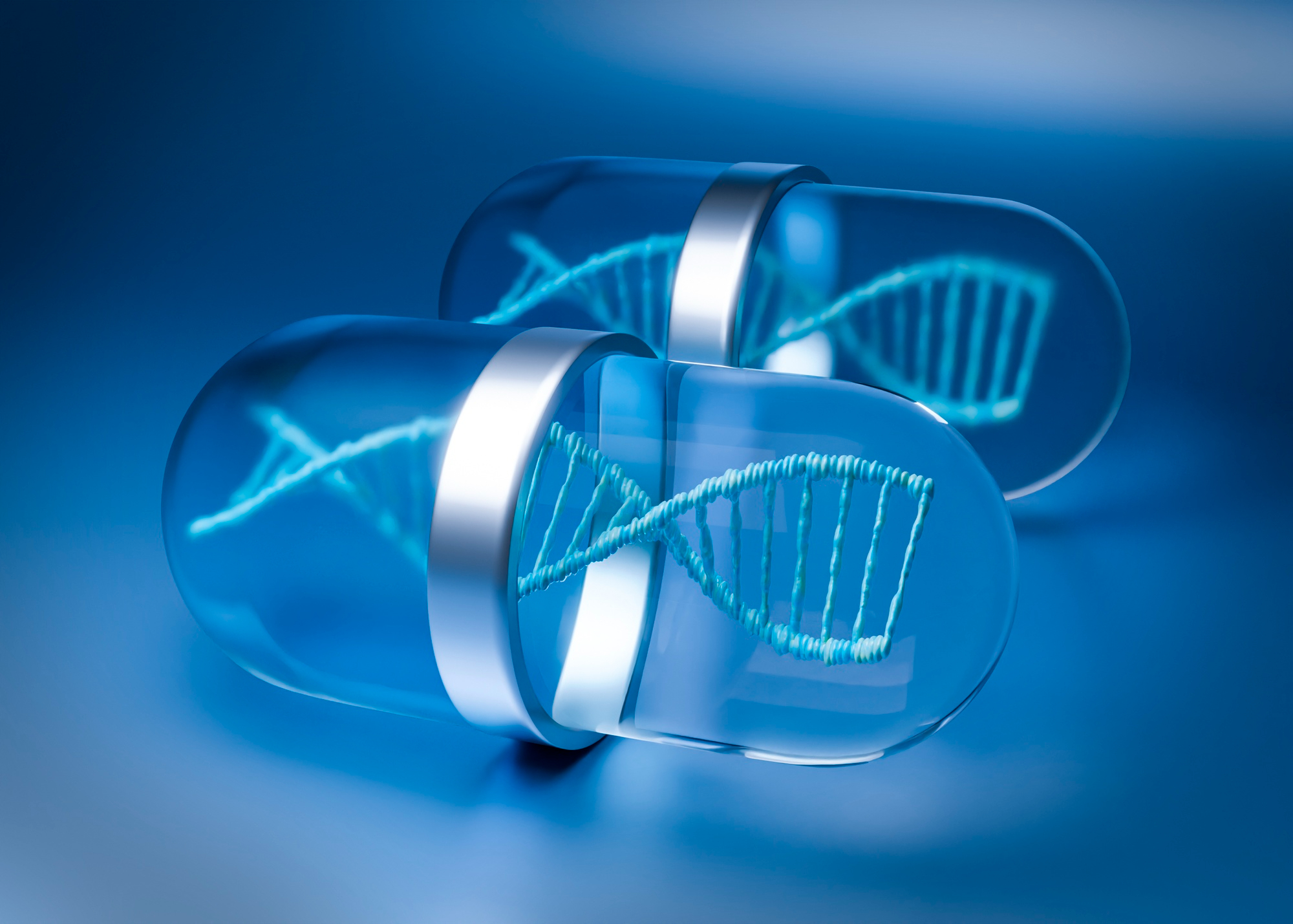
CRISPR 2.0: Gene Editing Without Breaking the DNA Strand
CRISPR 2.0 represents a major leap in gene editing technology, allowing scientists to modify DNA without breaking both strands. Developed through breakthroughs in base editing and prime editing since 2016, this next-generation approach promises safer genetic corrections and new treatments for inherited diseases once considered untreatable. Read more