
-
 3–5 minutes
Morbid Curiosity: Why We Are Drawn to True Crime
Millions of people fall asleep to podcasts about murder, feeling a little guilty about how much they’re enjoying it. It’s one of entertainment’s strangest contradictions — violence repels us in real life, yet we can’t look away from it in story form. Here’s the surprisingly old, surprisingly useful psychology behind our fascination with true crime. Read more
-
 5–7 minutes
The Baader-Meinhof Phenomenon Explained
You learn a word once, then see it everywhere for a week. It feels like a sign. It’s actually your brain quietly rewiring its filters — and the real story behind it is stranger than the coincidence itself. Read more
-
 6–9 minutes
Why Humans Fear Death Differently Than Any Other Animal
A gazelle fleeing a lion is terrified of dying. But the moment the chase ends, it grazes and moves on. You cannot do that. You have thought about your own death today — not because something is chasing you, but because you simply know. That knowledge is the strangest and most consequential thing that separates… Read more
-
 7–11 minutes
The Social Contagion Effect — Why Suicide, Laughter and Yawning All Spread the Same Way
Something strange happened the month Marilyn Monroe died. Suicide rates across the US climbed by 12 percent — not from grief, not from coincidence, but from a force so embedded in human neurology that it also explains why you yawn when others do, and why a stranger’s laughter pulls one from you before you’ve even… Read more
-
 7–10 minutes
Why Humans Are the Only Animal That Dies of Embarrassment
Dying of embarrassment isn’t just a figure of speech — your body treats social failure like a physical threat. But here’s what’s stranger: no other animal on Earth experiences this. Discover the neuroscience, evolution, and psychology behind why humans alone are wired to feel destroyed by a single moment of social shame. Read more
-
 5–8 minutes
Why You Remember Embarrassing Moments Forever
Your brain isn’t broken — it’s ancient. Every embarrassing moment it replays at 2 a.m. was filed away by an amygdala that genuinely believed your social survival was at stake. The spotlight effect, flashbulb memory, and emotional encoding explain why cringe never fades. Here’s the fascinating science behind the replay — and how to finally… Read more
-
 4–6 minutes
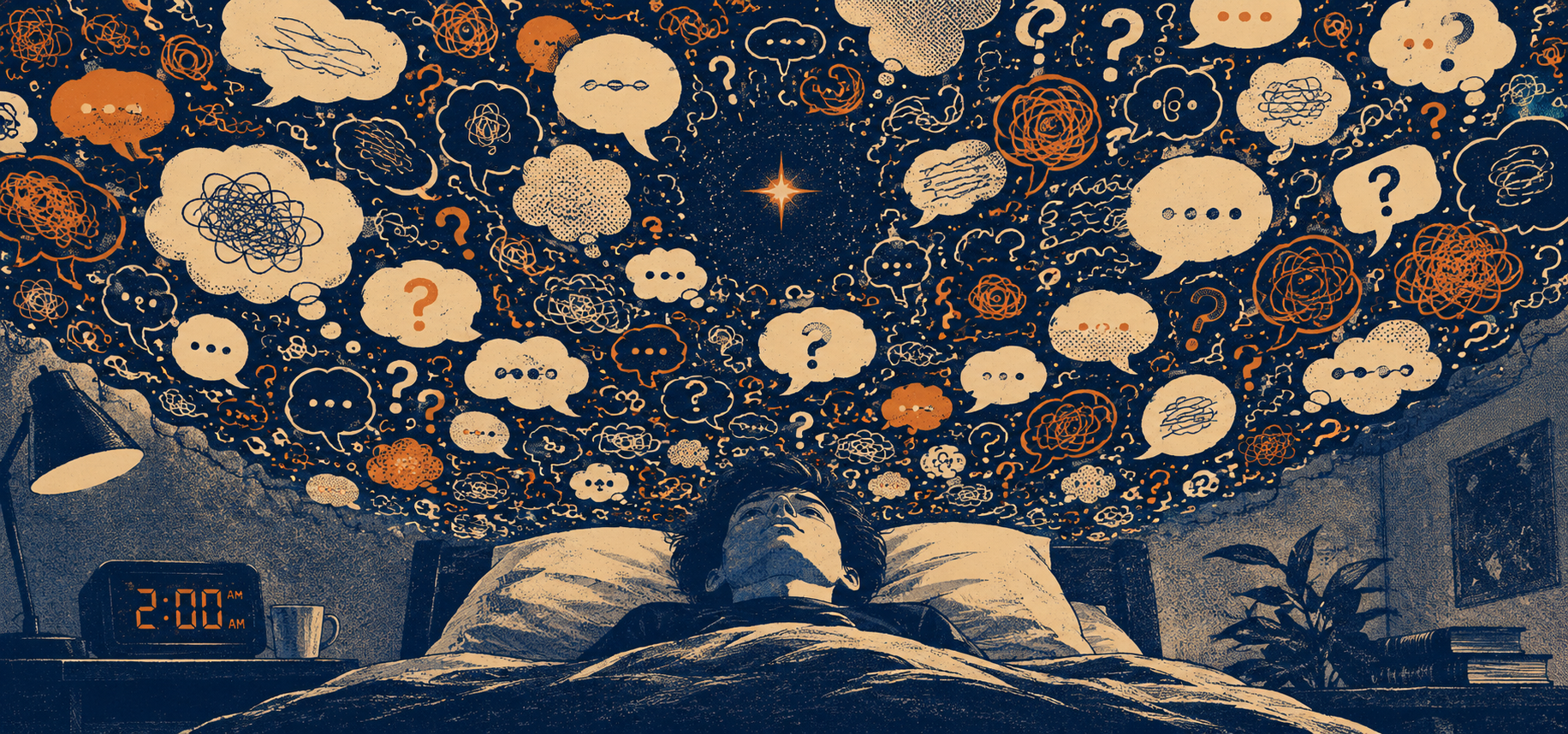
The Psychology Behind Why We Overthink Everything
It is 2 a.m. You said something at dinner five hours ago. Nobody reacted strangely. The conversation moved on. But here you are — wide awake, replaying the exact sentence, reconstructing everyone’s expressions, and building an elaborate case for why it was the worst thing you could have possibly said. Nothing happened. And yet your… Read more
-
 6–9 minutes
The Creepy Reason You Sometimes Feel Watched — And Why Your Brain Is Never Wrong About It
Ever had that eerie feeling watched sensation creep over you in an empty room? Science says your brain isn’t lying to you. From ancient predator instincts to dedicated neural systems, the truth behind this chilling phenomenon is far darker — and far more fascinating — than you ever imagined. Read more
-
 8–13 minutes
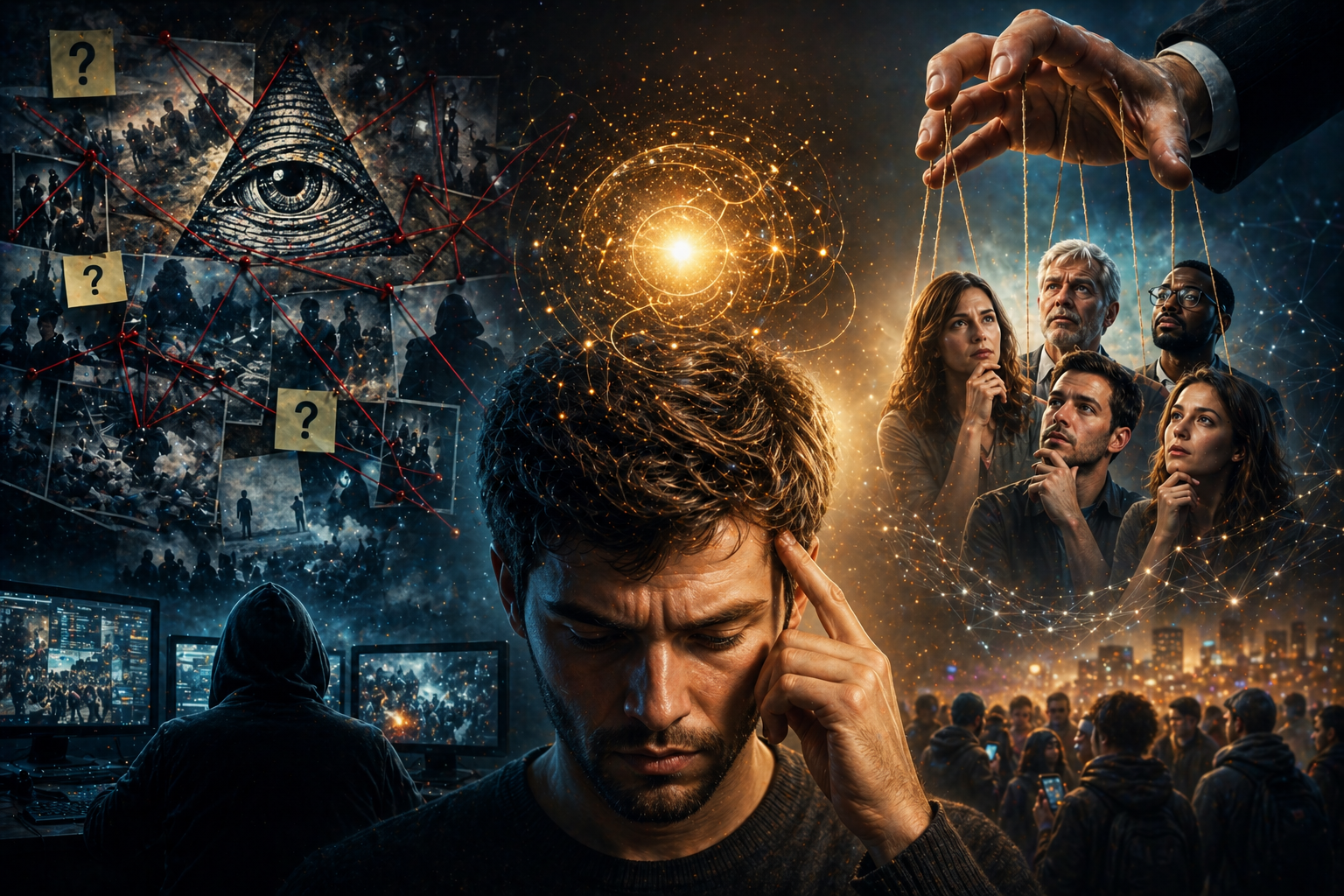
The Psychology of Conspiracy Theories — Why Smart People Fall for Them
Even the smartest minds aren’t immune to conspiracy thinking. Beneath every belief lies a deeply human need for certainty, control, and meaning in a chaotic world. This piece explores the hidden psychology behind why intelligence doesn’t protect us—and how our own minds can quietly lead us astray. Read more
-
 8–13 minutes
The Dark Side of Manifestation — When Positive Thinking Becomes Dangerous
Manifestation promised to change your life. But behind the vision boards, the 369 methods, and the 5 a.m. affirmations lives a darker truth — one of victim-blaming, medical neglect, and a billion-dollar industry profiting from false hope. Here’s the side of positive thinking nobody wants you to see. Read more