
-
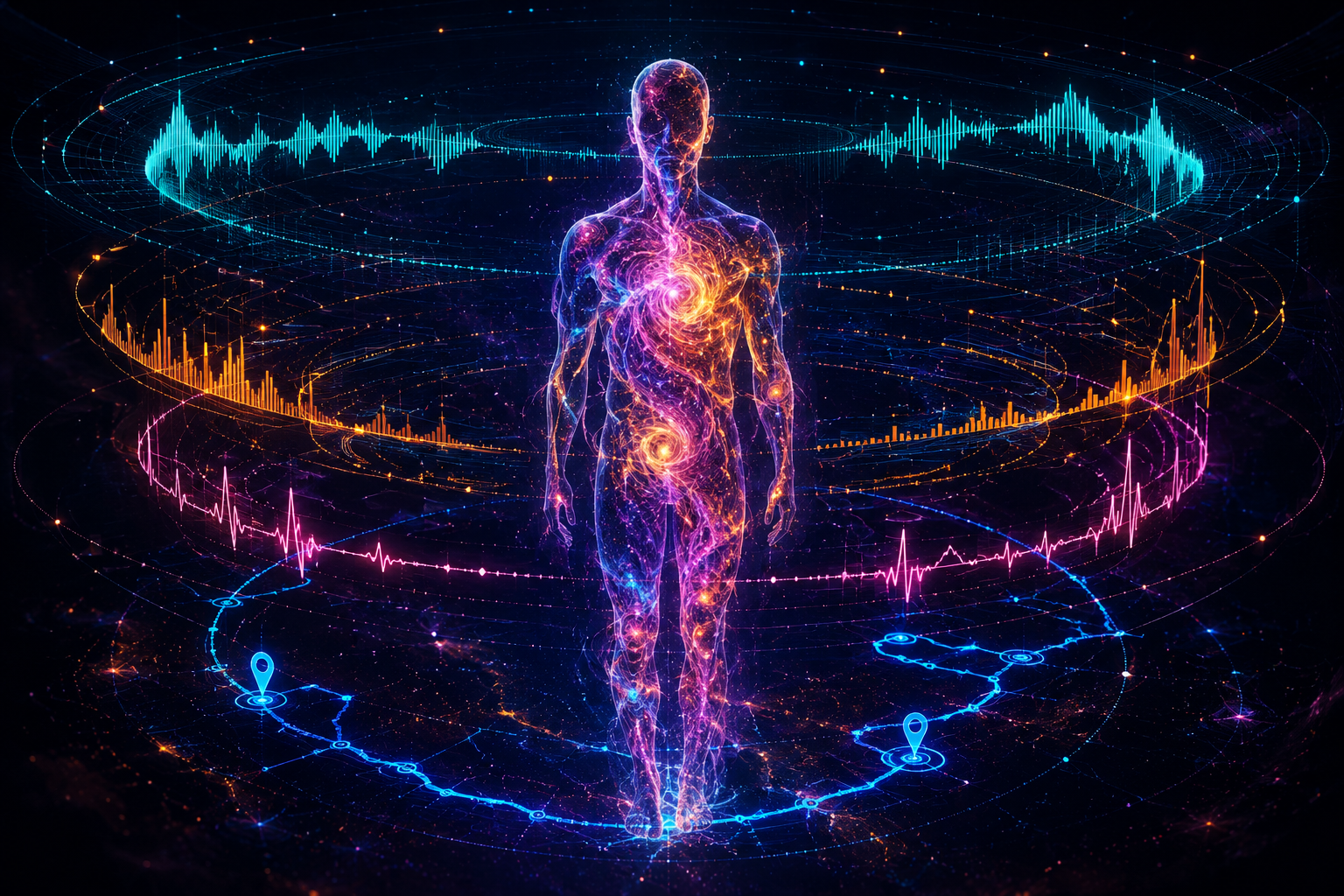
The Algorithm That Knows You’re Depressed Before You Do
In just 25 seconds of ordinary speech, a machine learning algorithm can now detect signs of depression you haven’t consciously registered yet. Not from what you say — from how you say it. This is AI detecting depression early, and it raises a question medicine isn’t ready to answer: who owns the flag? Read more
-
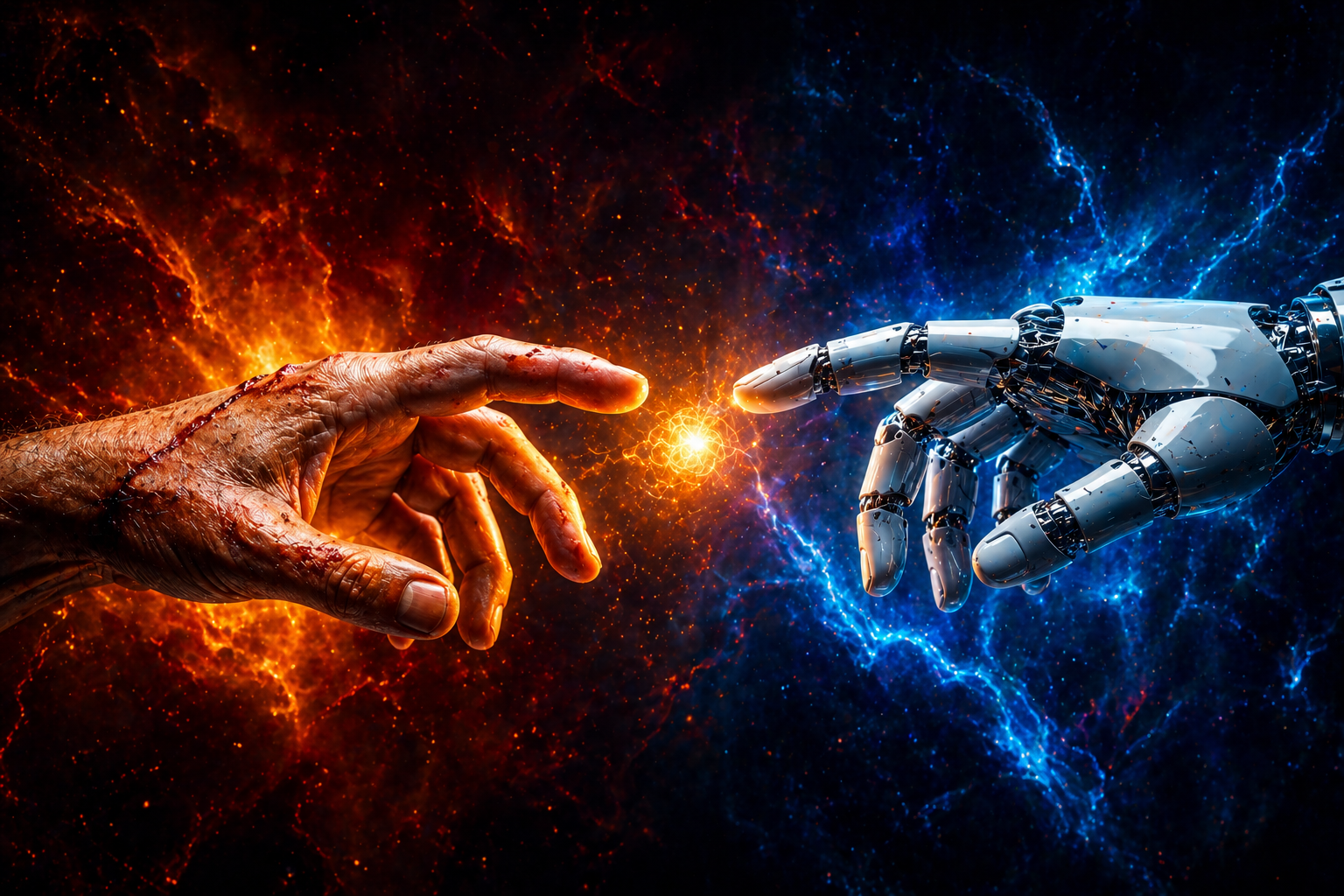
The Last Human Jobs — What AI Still Cannot Replace (And Why)
AI is taking jobs at a breathtaking pace. But a set of human capabilities — not just soft skills, but structural, architectural limits of AI itself — remain irreplaceable. Here’s what AI actually cannot do, and why the last human jobs are the ones most worth having. Read more
-

Talking to the Dead: The Morally Grey World of AI “Griefbots”
What if you could text your dead mother goodnight? AI griefbots are making that possible — and millions are quietly doing it. But behind the comfort lies a morally complex world of consent, manipulation, and digital ghosts that never truly rest. Is this the future of grief, or a trap dressed as healing? Read more
-

How Large Language Models Are Accelerating Drug Discovery by 10×
Large Language Models are transforming drug discovery by analyzing massive biological data, designing molecules, and predicting drug safety faster than ever before. With major companies investing billions and AI-designed drugs already entering clinical trials, this technology is reshaping how medicines are discovered, tested, and developed across global research laboratories. Read more
-
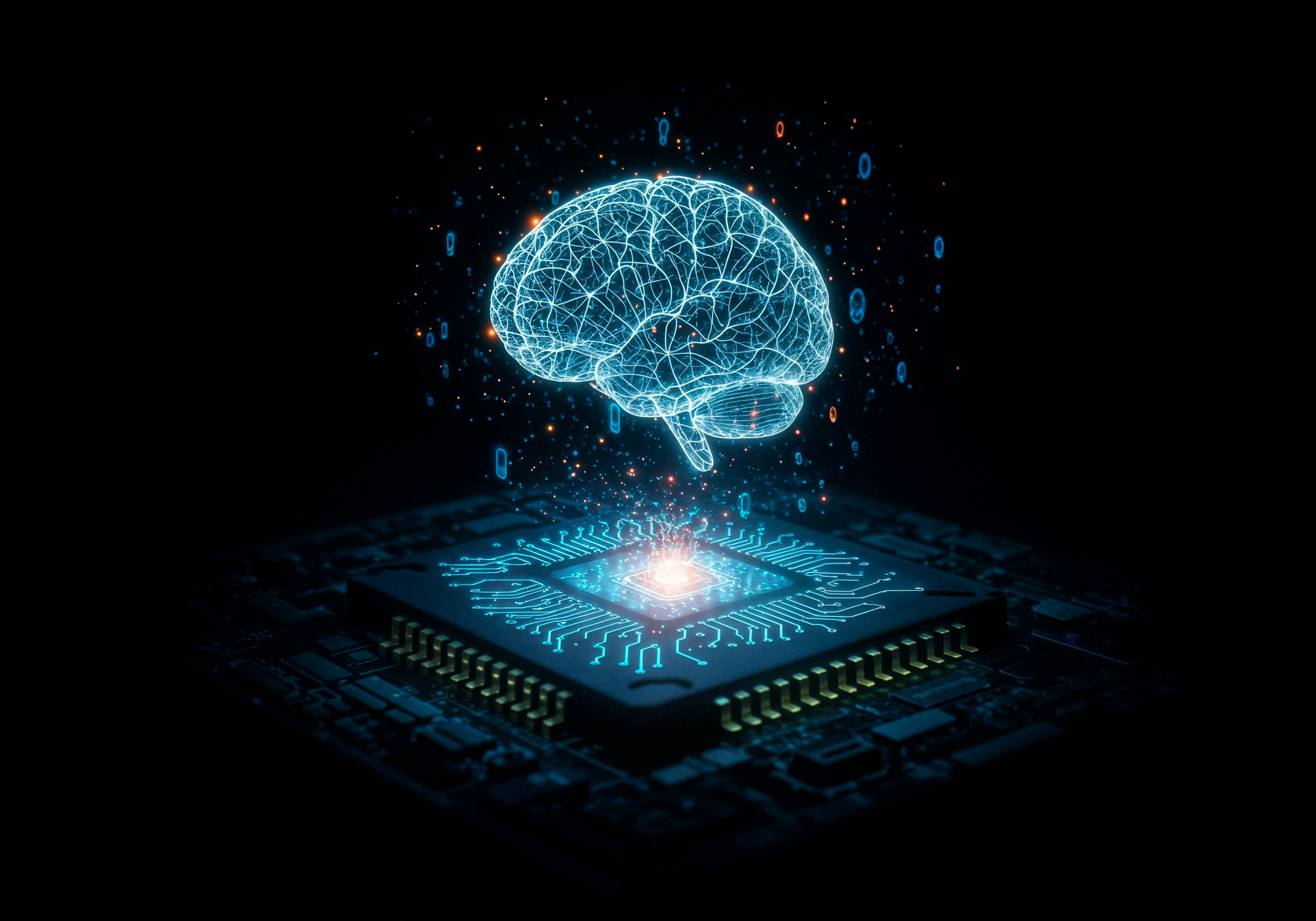
The Rise of Neuromorphic Chips Designed to Think Like Neurons
Neuromorphic chips are redefining the future of computing by mimicking the behavior of biological neurons. Designed to process information through brain-like signals, these chips promise faster learning, lower power consumption, and real-time adaptability. As traditional computing approaches its limits, neuromorphic technology may become the foundation of next-generation intelligent systems. Read more