
-
 6–9 minutes
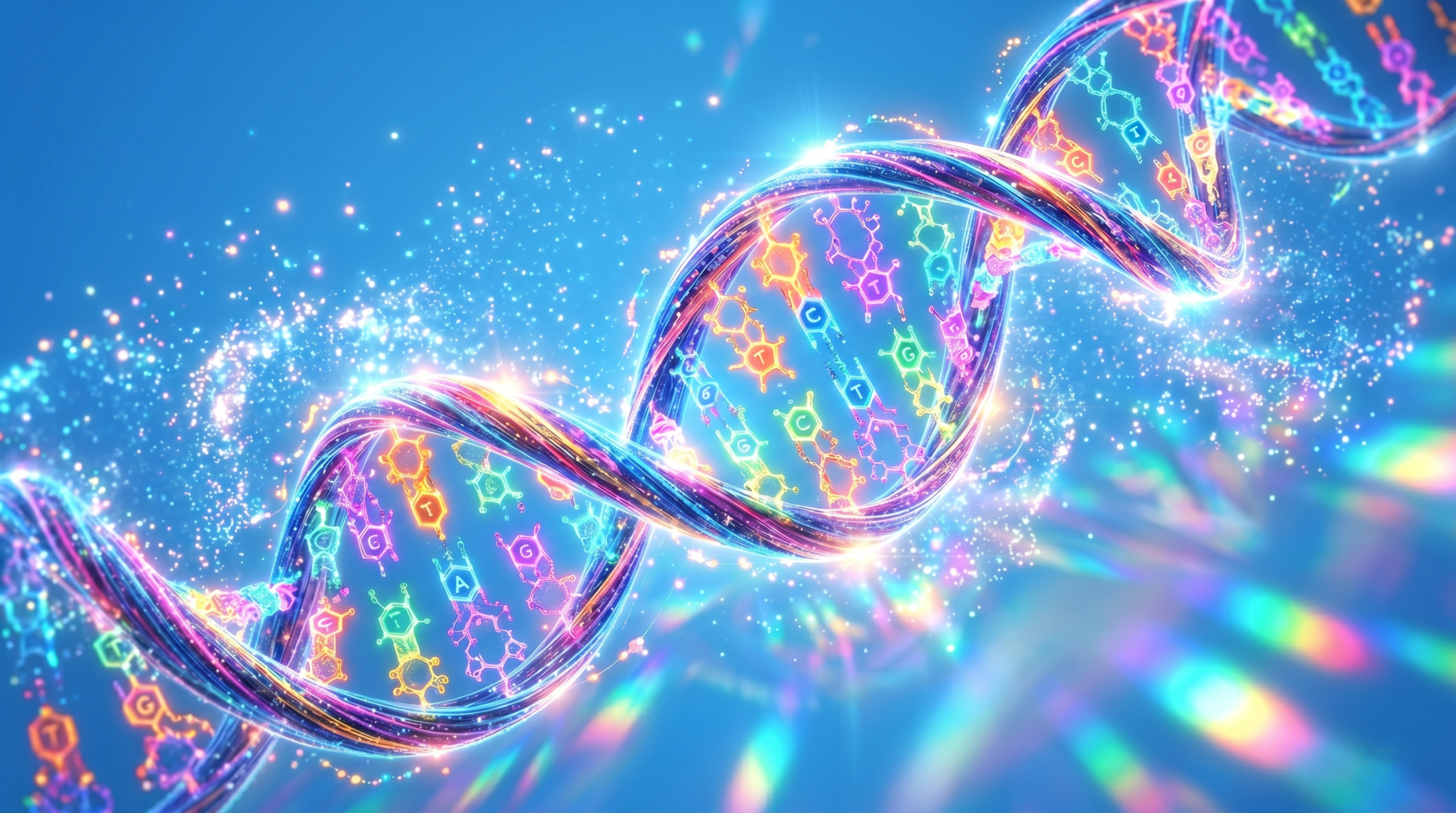
Could CRISPR Eliminate Hereditary Diseases Within a Generation? Scientists Are Closer Than Ever
CRISPR gene editing is transforming medicine by targeting the genetic roots of inherited diseases once thought untreatable. While eliminating all hereditary disorders within a generation remains unlikely, scientists are making remarkable progress against conditions like sickle cell disease and β-thalassemia, bringing humanity closer than ever to rewriting its genetic future. Read more
-
 6–9 minutes
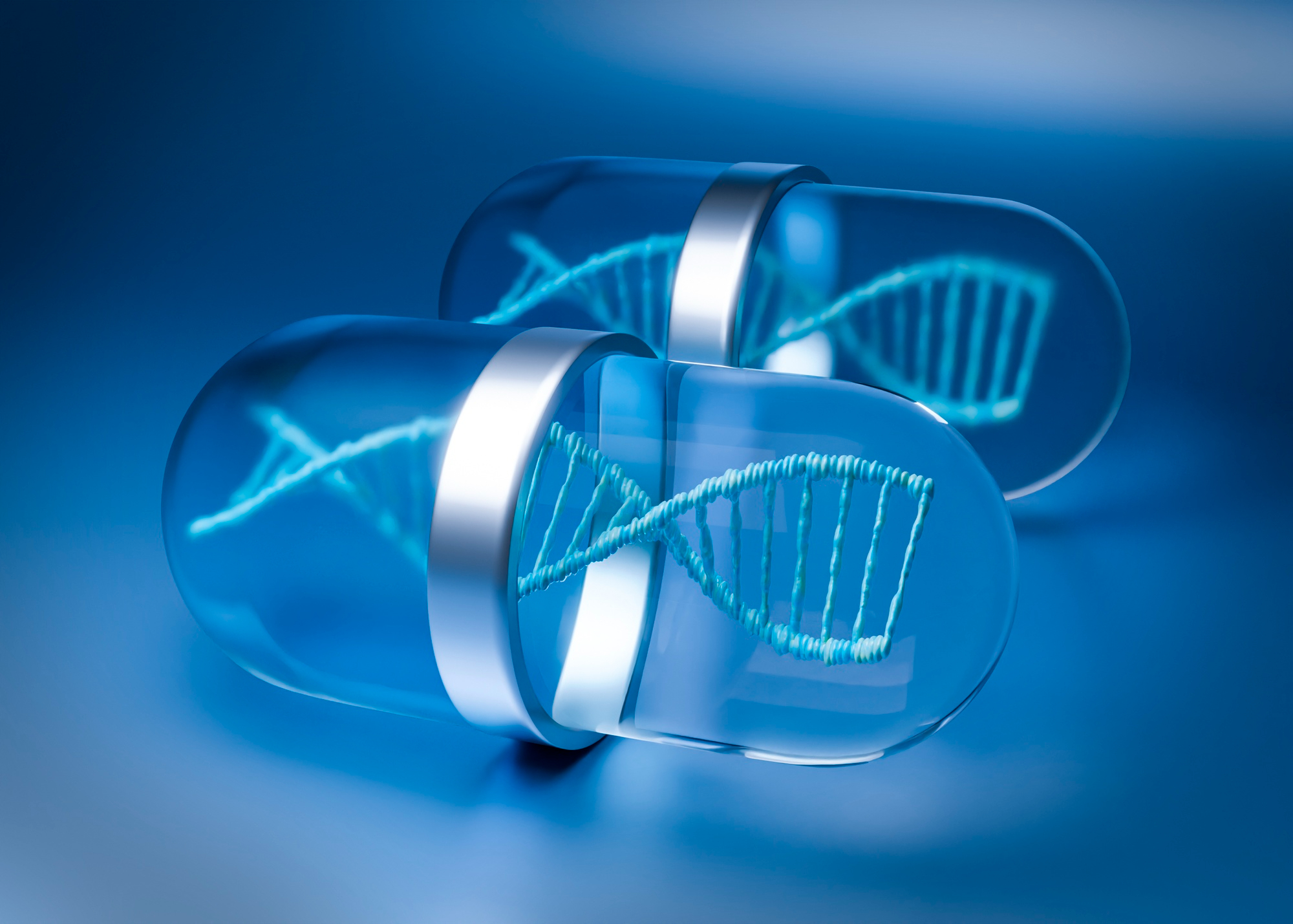
CRISPR 2.0: Gene Editing Without Breaking the DNA Strand
CRISPR 2.0 represents a major leap in gene editing technology, allowing scientists to modify DNA without breaking both strands. Developed through breakthroughs in base editing and prime editing since 2016, this next-generation approach promises safer genetic corrections and new treatments for inherited diseases once considered untreatable. Read more
-

How Large Language Models Are Accelerating Drug Discovery by 10×
Large Language Models are transforming drug discovery by analyzing massive biological data, designing molecules, and predicting drug safety faster than ever before. With major companies investing billions and AI-designed drugs already entering clinical trials, this technology is reshaping how medicines are discovered, tested, and developed across global research laboratories. Read more