
-
 8–13 minutes
A Self-Replicating Molecule Was Created in a Lab — And It Changes Everything About Life’s Origin
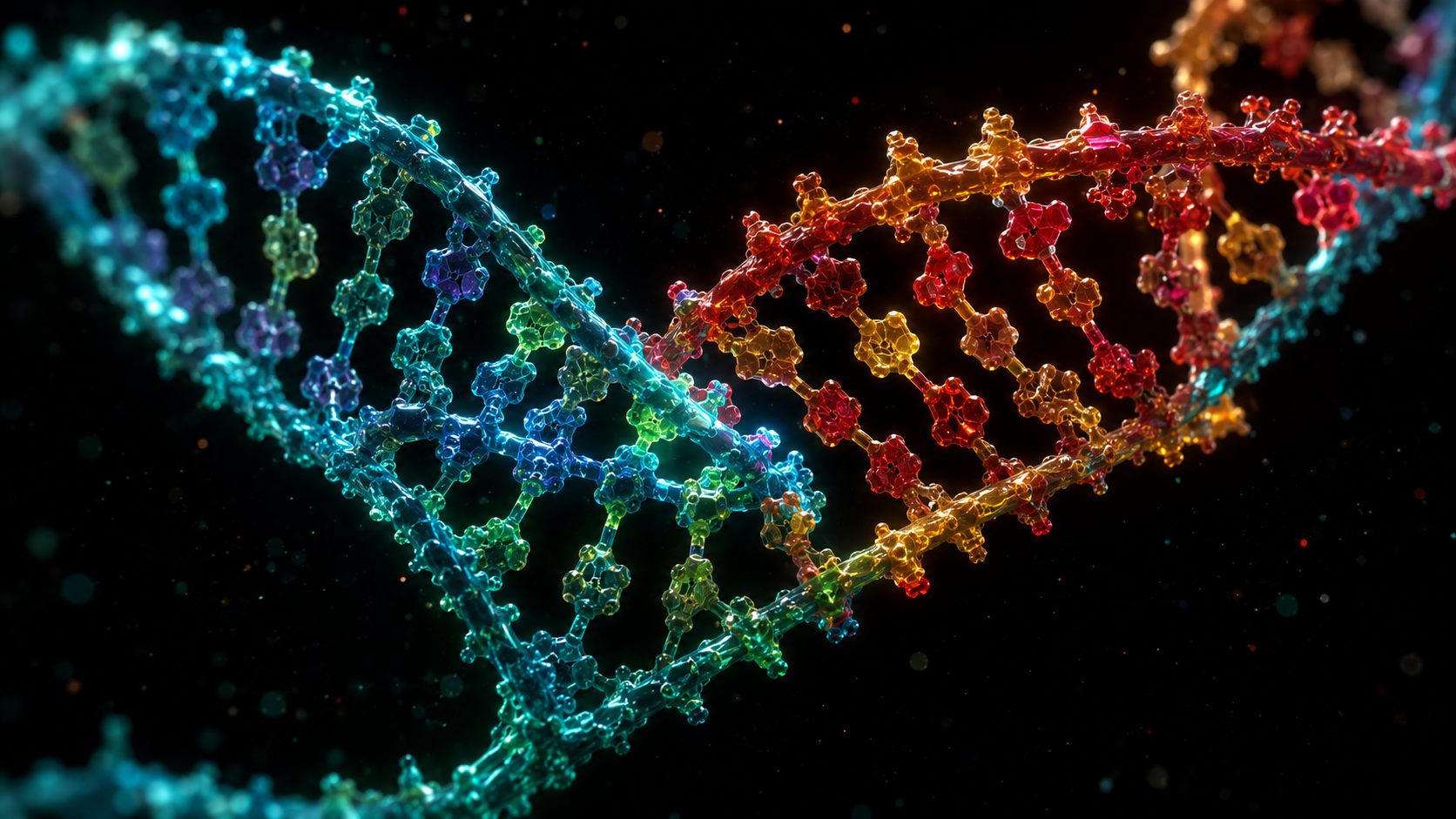
Four billion years ago there was no life on Earth. Then there was. Something in the chemistry of the early planet crossed a threshold — and a new 2026 discovery in Cambridge may finally show us what that something was: a single RNA molecule that figured out how to copy itself, without any biological help… Read more
-
The Immortal Animal — Why the Turritopsis Jellyfish Refuses to Die
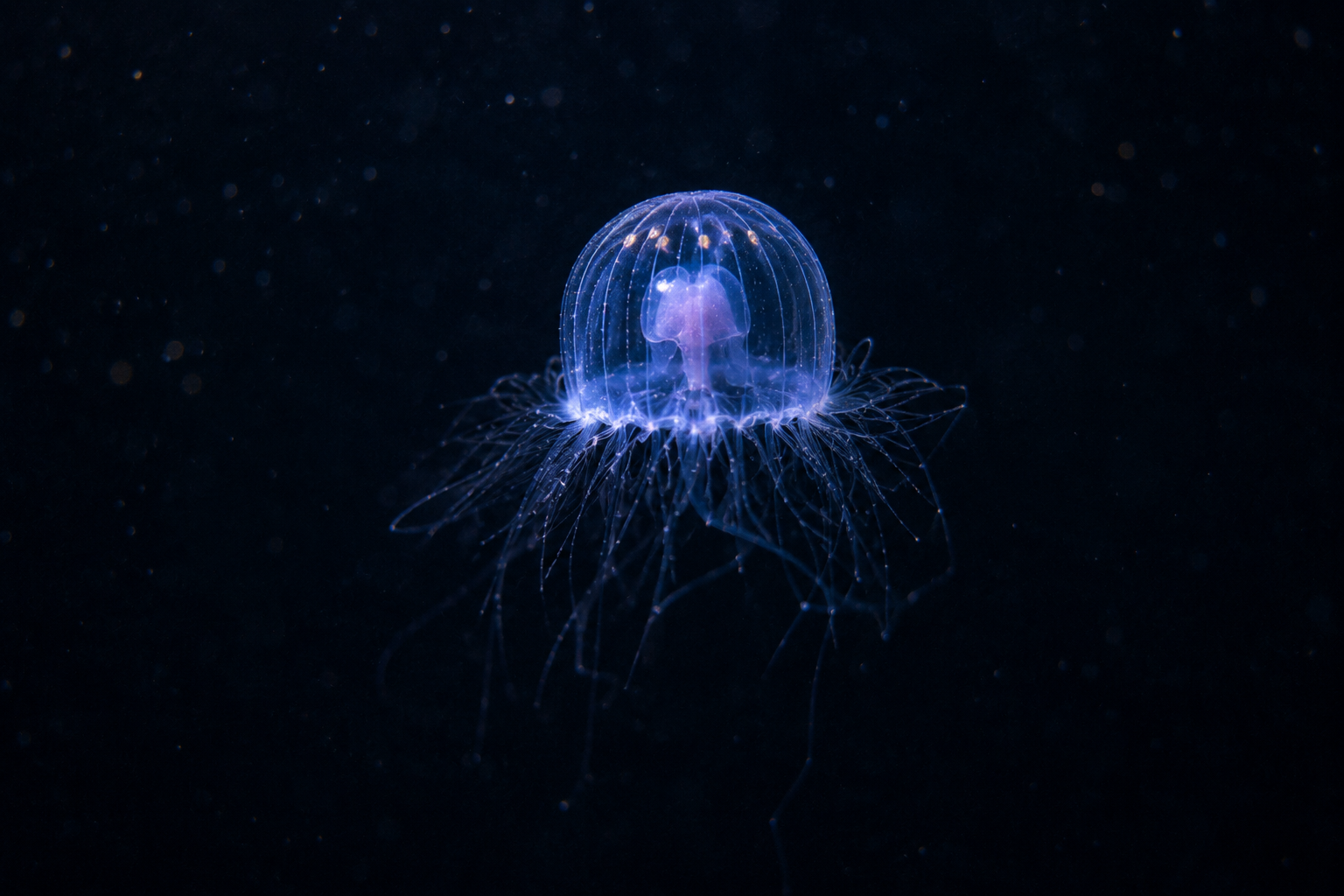
There is an animal alive right now that can reverse its own ageing — not slow it, not pause it, but run it completely backwards. Turritopsis dohrnii is smaller than a fingernail and potentially immortal. The cellular mechanics behind what it does are stranger, and far more significant, than almost anyone realises. Read more
-
 7–11 minutes
Tetrachromacy Explained: The Woman Who Sees 99 Million More Colours Than You
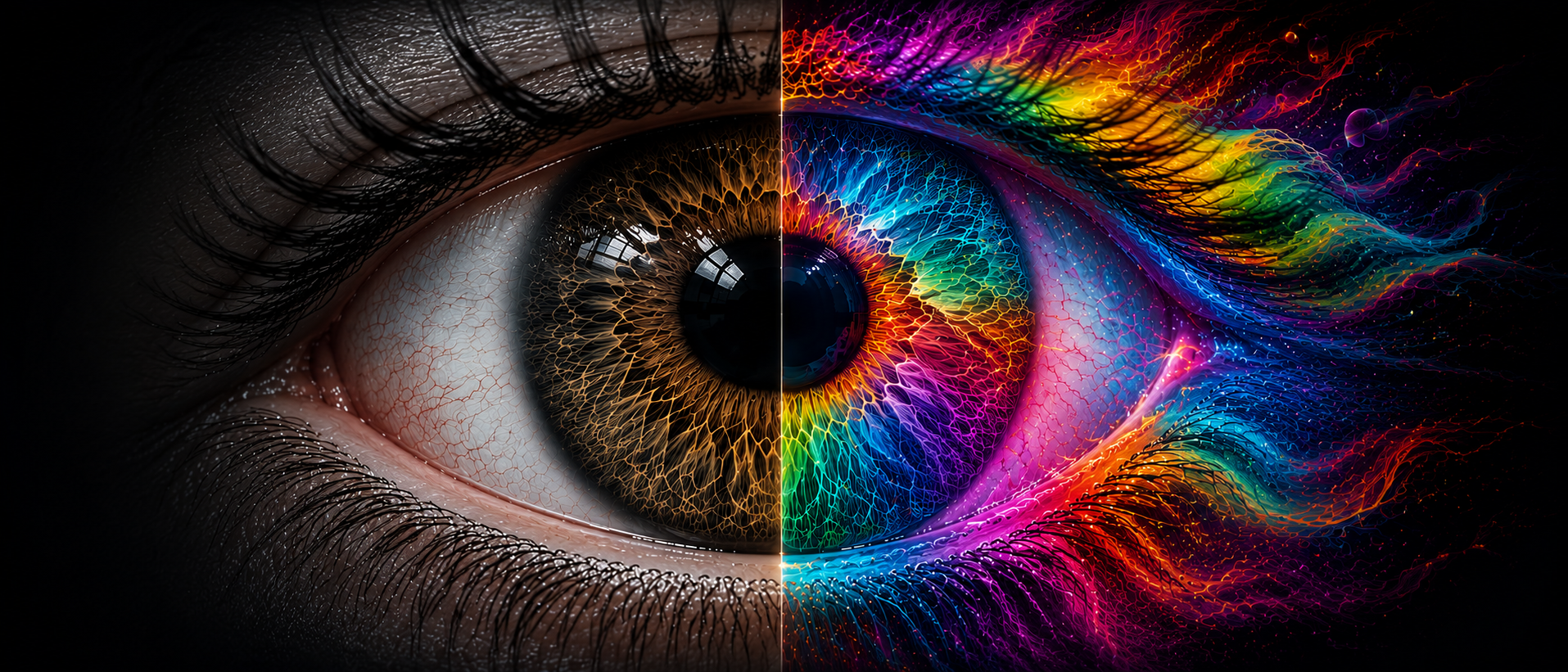
Most people assume everyone sees the same world. But a small number of women — tetrachromats — perceive up to 99 million colours the rest of us can’t see, detect, or even imagine. The science behind this extraordinary quirk of genetics is stranger, and more philosophically unsettling, than it first appears. Read more
-
 6–9 minutes
Toba Catastrophe Theory: How One Volcanic Eruption Almost Erased Humanity
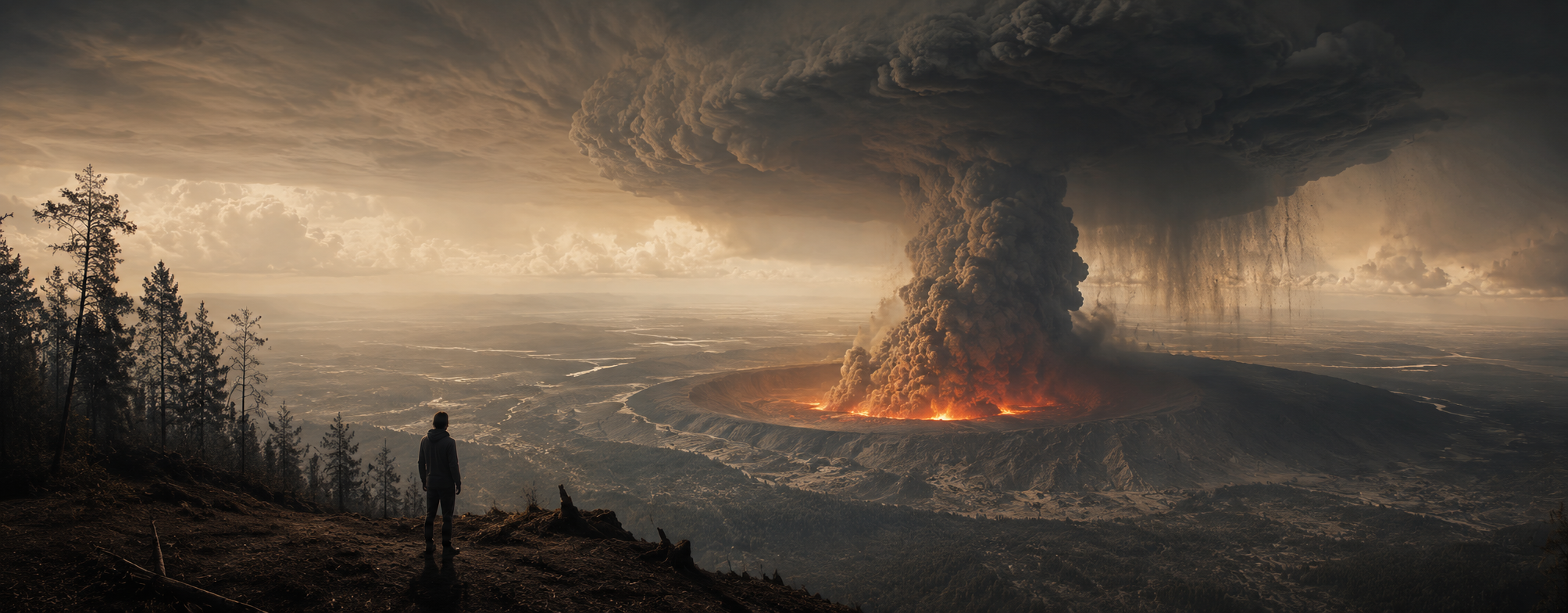
Seventy-four thousand years ago, a supervolcano on Sumatra erupted with enough force to plunge Earth into a volcanic winter. The Toba catastrophe theory suggests it nearly wiped out our entire species — reducing all of humanity to perhaps a few thousand survivors. Every human alive today may owe their existence to that impossibly thin thread. Read more
-
 6–9 minutes
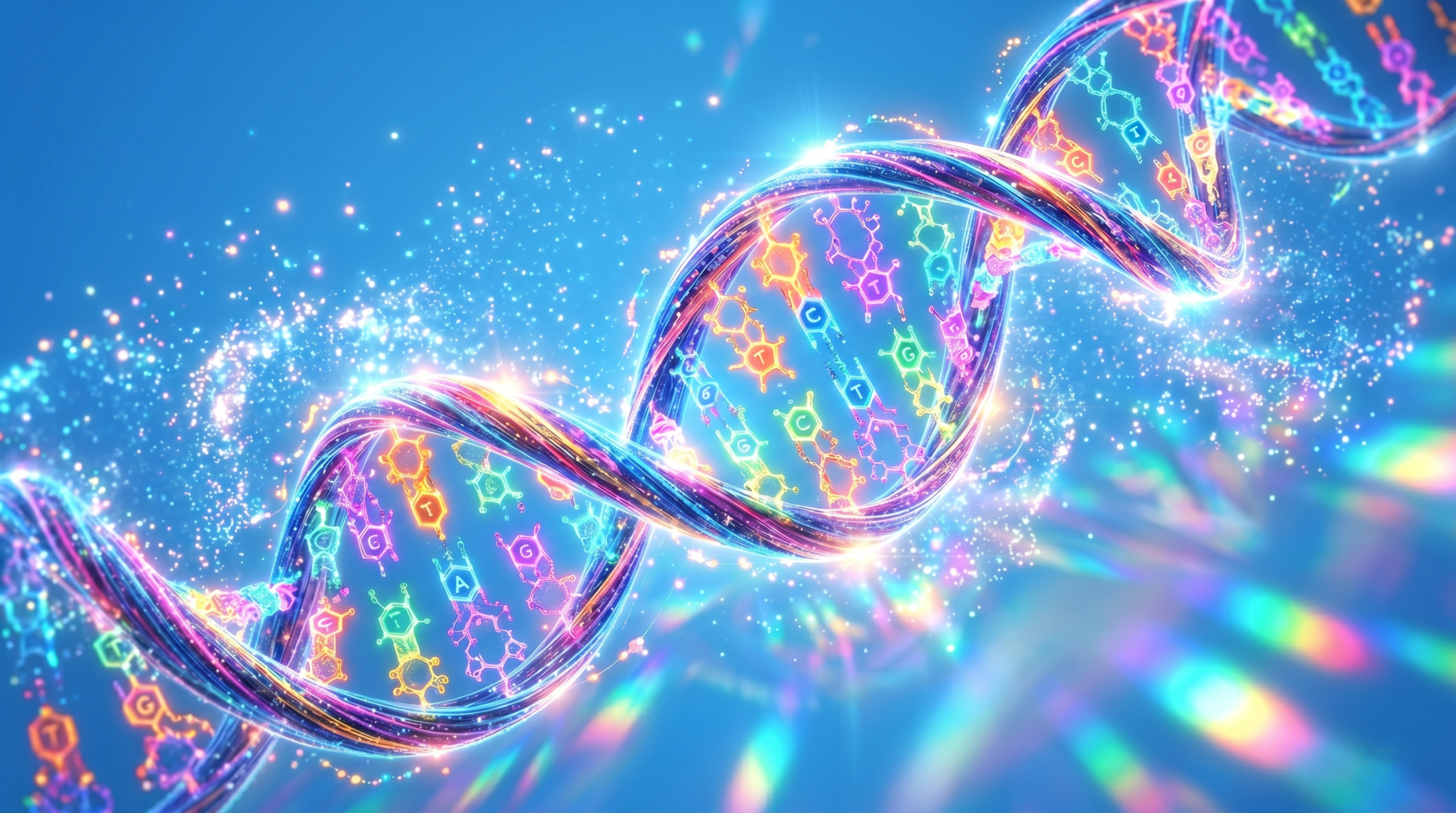
Could CRISPR Eliminate Hereditary Diseases Within a Generation? Scientists Are Closer Than Ever
CRISPR gene editing is transforming medicine by targeting the genetic roots of inherited diseases once thought untreatable. While eliminating all hereditary disorders within a generation remains unlikely, scientists are making remarkable progress against conditions like sickle cell disease and β-thalassemia, bringing humanity closer than ever to rewriting its genetic future. Read more
-
 6–9 minutes
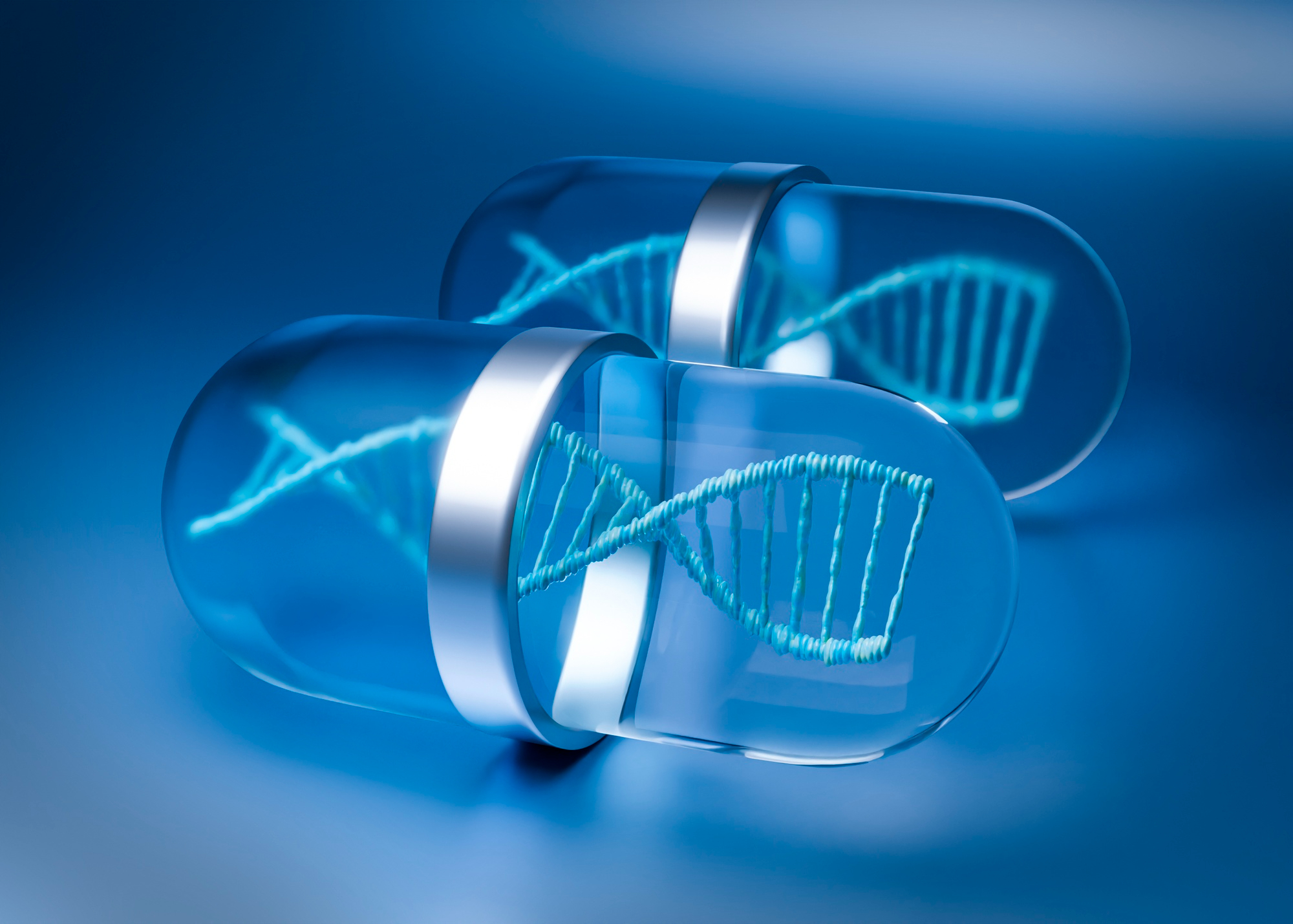
CRISPR 2.0: Gene Editing Without Breaking the DNA Strand
CRISPR 2.0 represents a major leap in gene editing technology, allowing scientists to modify DNA without breaking both strands. Developed through breakthroughs in base editing and prime editing since 2016, this next-generation approach promises safer genetic corrections and new treatments for inherited diseases once considered untreatable. Read more
-
 5–8 minutes
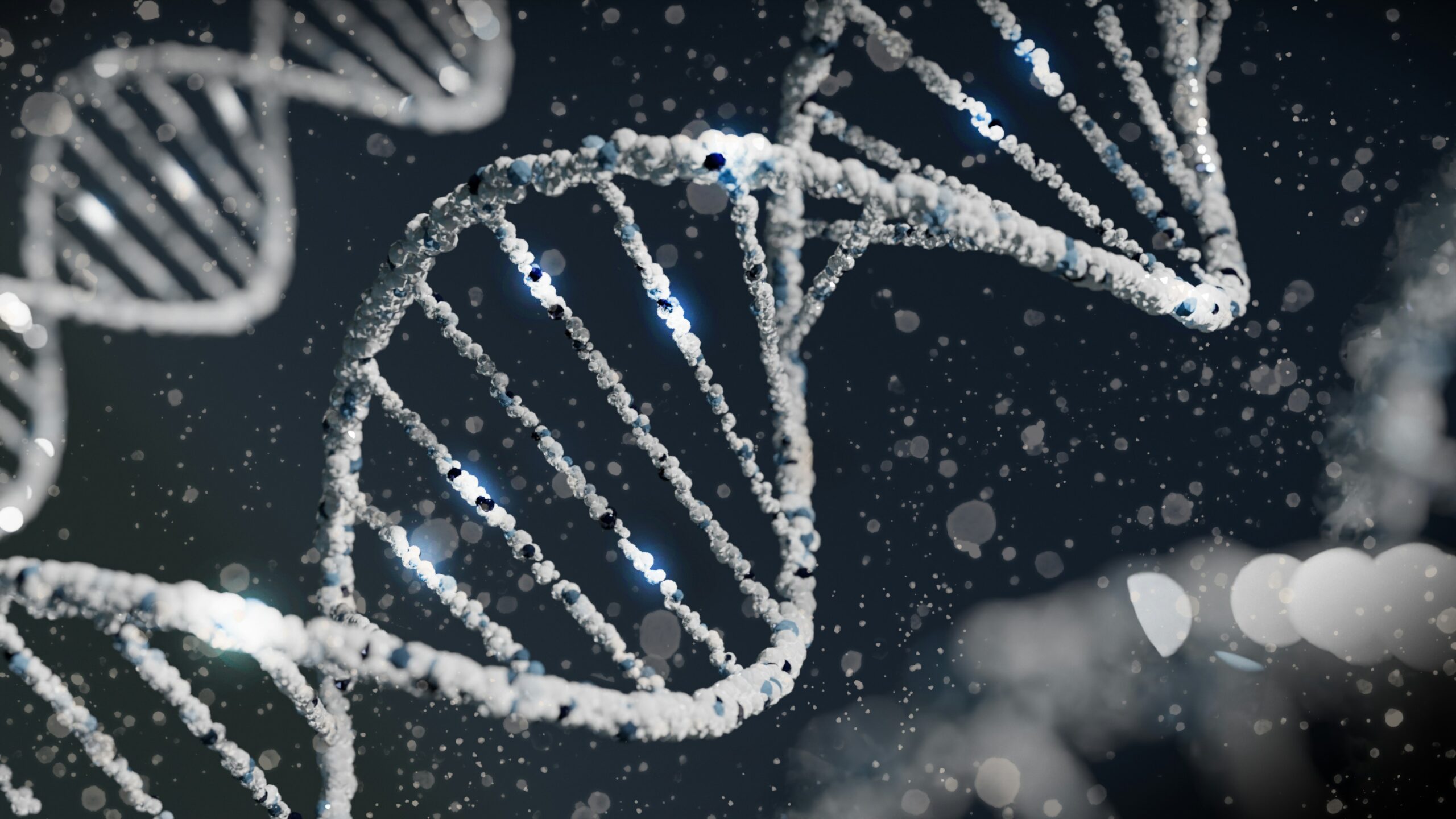
The Oldest DNA Ever Found — A Timeline of Record-Breaking Discoveries
From the first ancient DNA extracted in the 1980s to the discovery of 2-million-year-old genetic material in Greenland, scientists have repeatedly shattered expectations about how long DNA can survive. This timeline reveals the breakthroughs that transformed fossils into genetic time machines and reshaped our understanding of evolution. Read more