
ALL STORIES
Every article, deep-dive, and discovery — fact-verified and written for minds that refuse to stop asking why. Filter by topic or scroll to explore.

-
 6 minutes
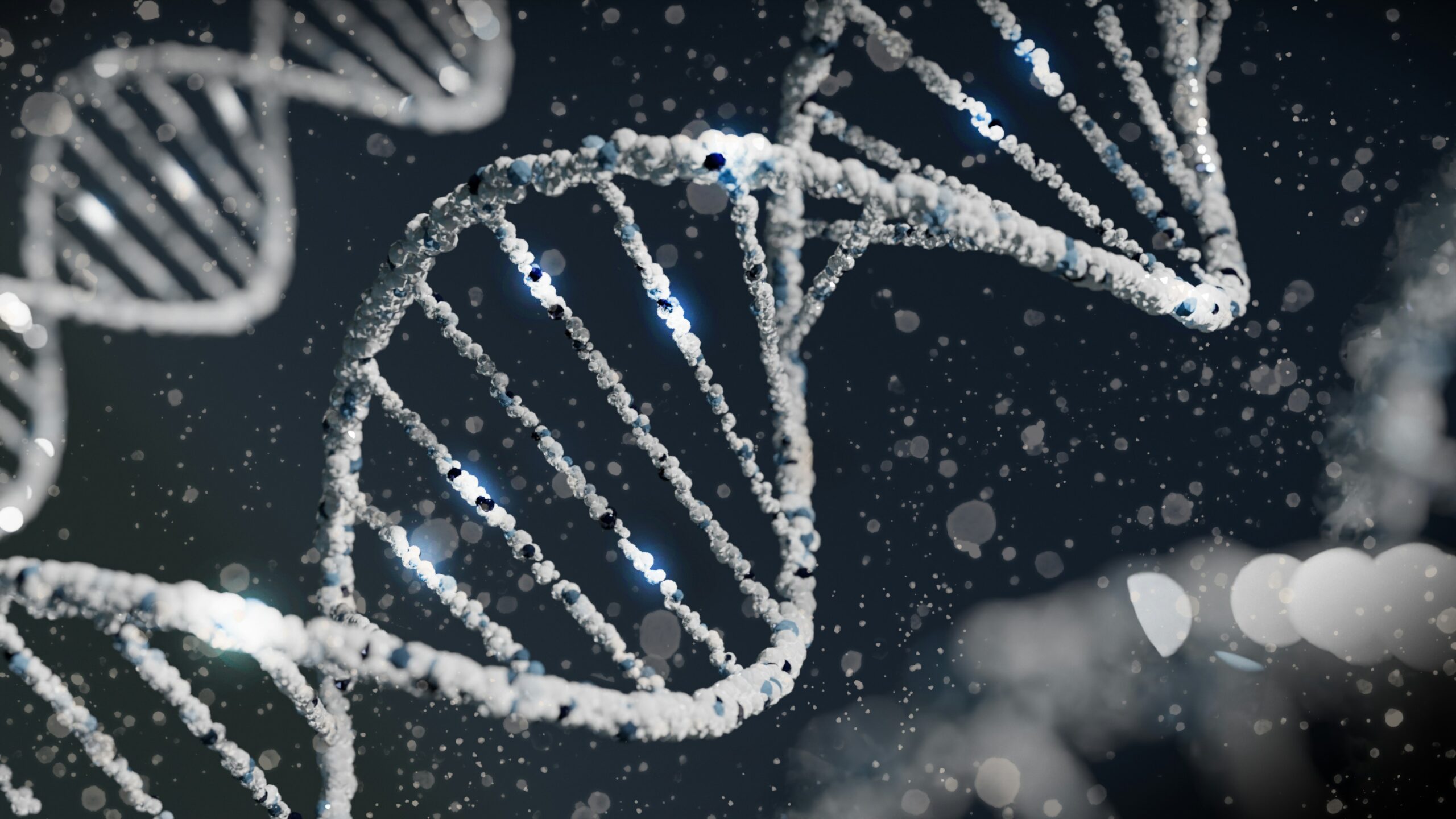
The Oldest DNA Ever Found — A Timeline of Record-Breaking Discoveries
From the first ancient DNA extracted in the 1980s to the discovery of 2-million-year-old genetic material in Greenland, scientists have repeatedly shattered expectations about how long DNA can survive. This timeline reveals the breakthroughs that transformed fossils into genetic time machines and reshaped our understanding of evolution. Read more
-
 9 minutes
A Golden Age of Discovery: Scientists Identifying 16,000+ New Species Every Year
Scientists are identifying more than 16,000 new species every year, marking an unprecedented surge in biodiversity discovery. From deep oceans to remote forests, modern technology is revealing life forms once hidden from human knowledge, reshaping our understanding of Earth’s ecosystems and highlighting the urgent race to document species before they disappear. Read more
-
 9 minutes
Quantum Computing Crossed 1,000 Qubits — Now the Real Race Begins
Quantum computing crossed a historic threshold in December 2023 when IBM unveiled the 1,121-qubit Condor processor at its Quantum Summit in New York. That milestone marked the end of one race and the beginning of another—where stability, precision, and error correction now matter more than sheer qubit numbers. Read more
-
 8 minutes
Neuroscience Maps How Sleep Clears Toxic Brain Waste
Neuroscience has revealed that sleep is far more than rest—it activates the brain’s glymphatic system, a powerful network that clears toxic waste accumulated during the day. Discovered in 2012, this nightly cleaning process protects memory, supports long-term brain health, and may play a crucial role in preventing neurological diseases like Alzheimer’s. Read more
-
 7 minutes
Fusion Plasma Held for Over 22 Minutes: The Record That Pushes Humanity Closer to an Artificial Sun
Scientists have achieved a historic fusion milestone by holding superheated plasma for over 22 minutes, setting a new world record that surpasses earlier breakthroughs from China and Europe. This achievement highlights steady progress toward practical fusion energy, a technology that could one day provide clean, nearly limitless power for a growing global population. Read more
-
 7 minutes
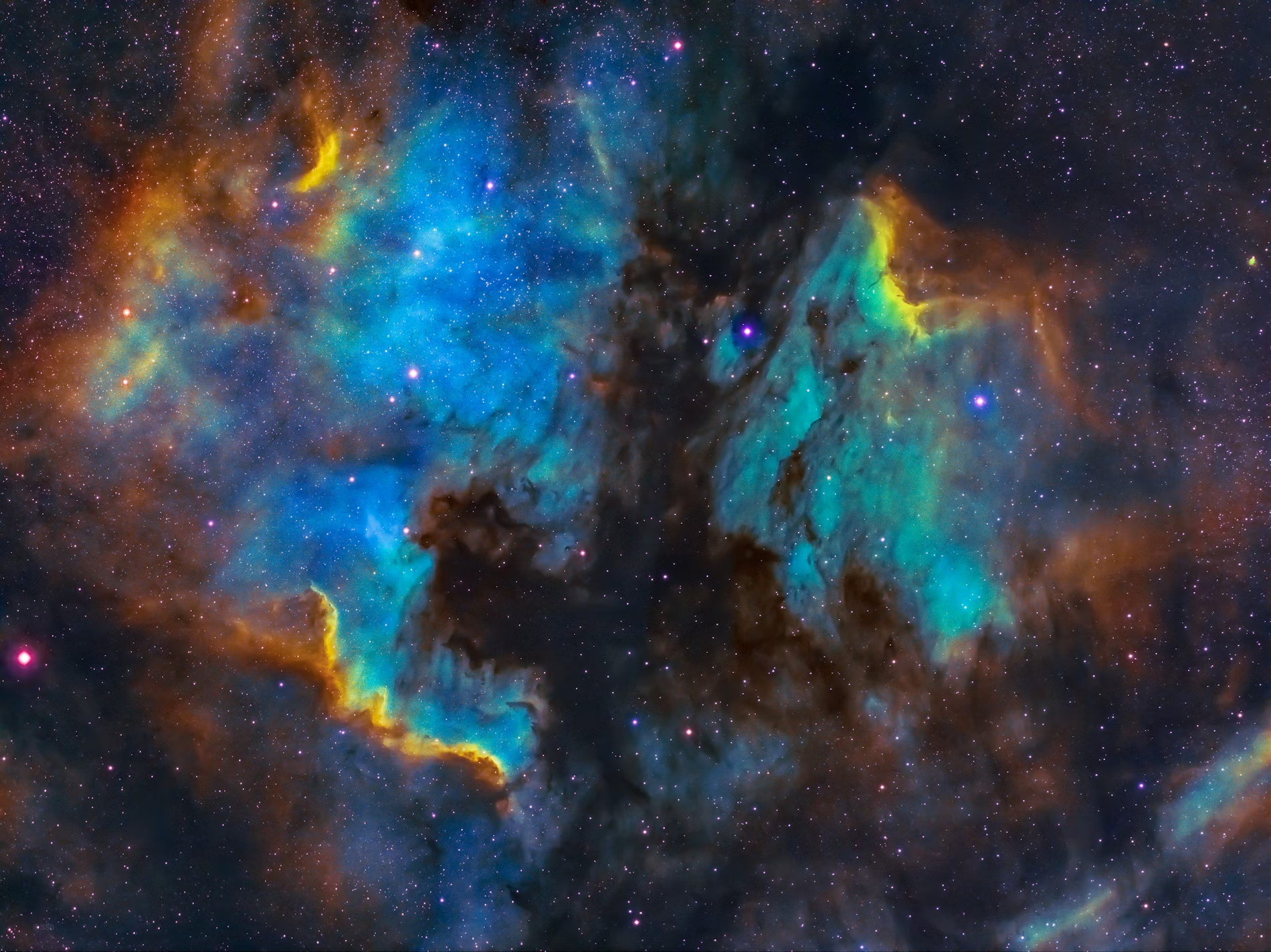
James Webb Telescope Unveils Secrets of the Universe’s First Stars
The James Webb Space Telescope is pushing humanity’s view deeper into cosmic history, revealing clues about the universe’s first stars. By detecting faint infrared light from ancient galaxies, astronomers are uncovering how the earliest stellar generations formed, evolved, and shaped the chemical foundations that later allowed galaxies, planets, and life itself to emerge. Read more
-
 5 minutes
Dark Matter Detectors Go Deeper Underground to Catch the Invisible
Deep beneath mountains and rock, scientists are building powerful dark matter detectors designed to capture the faintest whispers of the universe. Shielded from cosmic noise, these underground experiments are pushing physics to its limits, searching for elusive particles that could finally explain the invisible mass shaping galaxies and holding the cosmos together. Read more
A day on Venus is longer than a year on Venus. It takes 243 Earth days to rotate once, but only 225 Earth days to orbit the Sun.