
-
 14–21 minutes
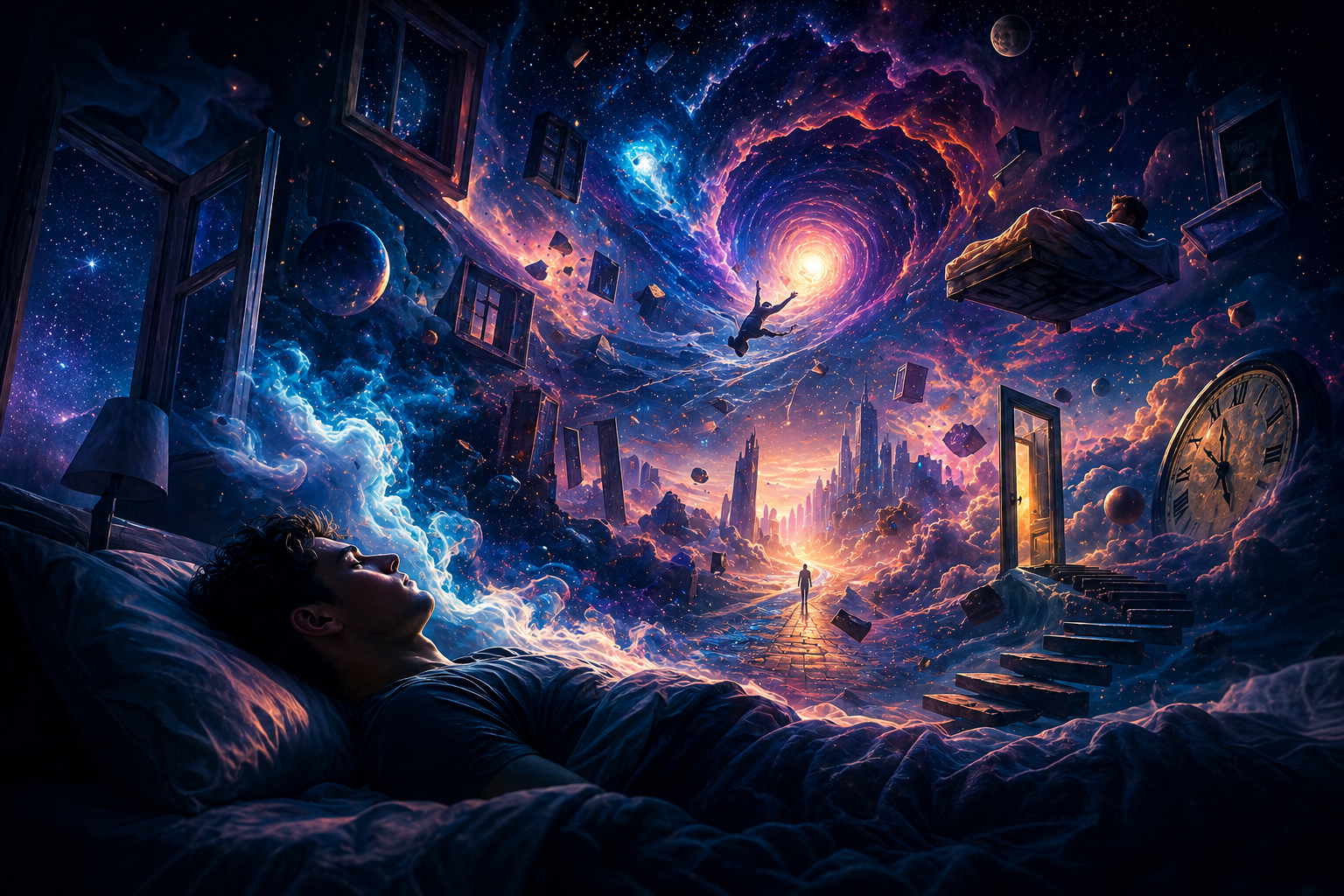
Why You Can’t Remember Your Dreams Clearly: Science Explained
You wake up holding a dream—vivid, emotional, almost real—only to watch it disappear within seconds. Why does the mind create entire worlds at night but fail to remember them by morning? Dive into the science behind why we forget dreams and uncover the hidden mechanics of your sleeping brain. Read more
-
 8–12 minutes
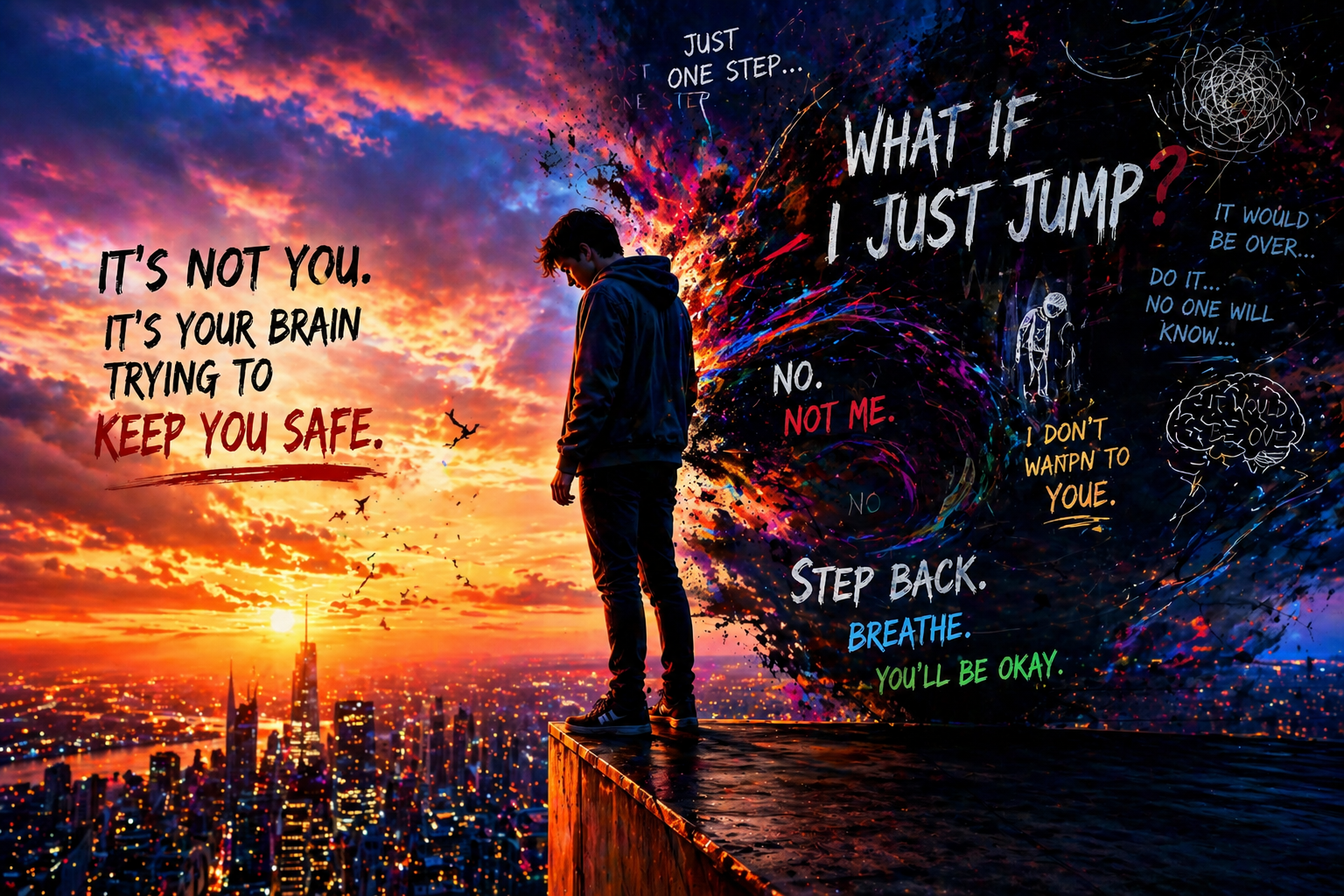
Call of the Void: Why Your Brain Tells You to Jump (The Terrifying Psychology Explained)
Have you ever stood on a high ledge or a train platform and had a sudden, intrusive thought to jump—even though you aren’t suicidal? It’s a common psychological glitch. This blog explains why the brain misinterprets a safety signal as an urge to do something wild. Read more
-
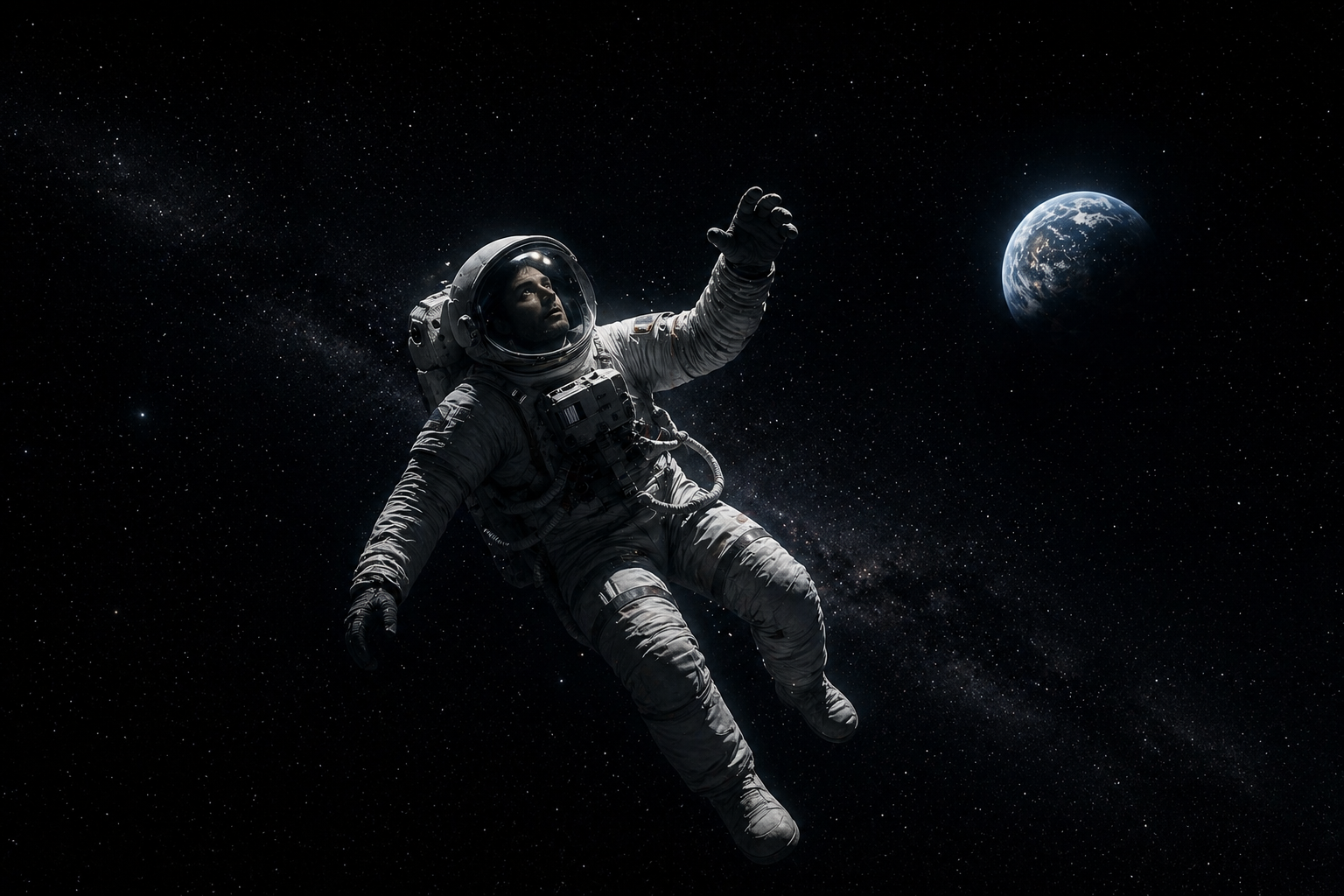
What Happens to Your Body in Space? (Real Science Explained)
Experience what truly happens to the human body in space as gravity disappears and every system begins to adapt. From fluid shifts and muscle loss to vision changes and radiation exposure, this detailed explanation reveals how space transforms the body and challenges human survival beyond Earth’s natural environment. Read more
-
 5–7 minutes
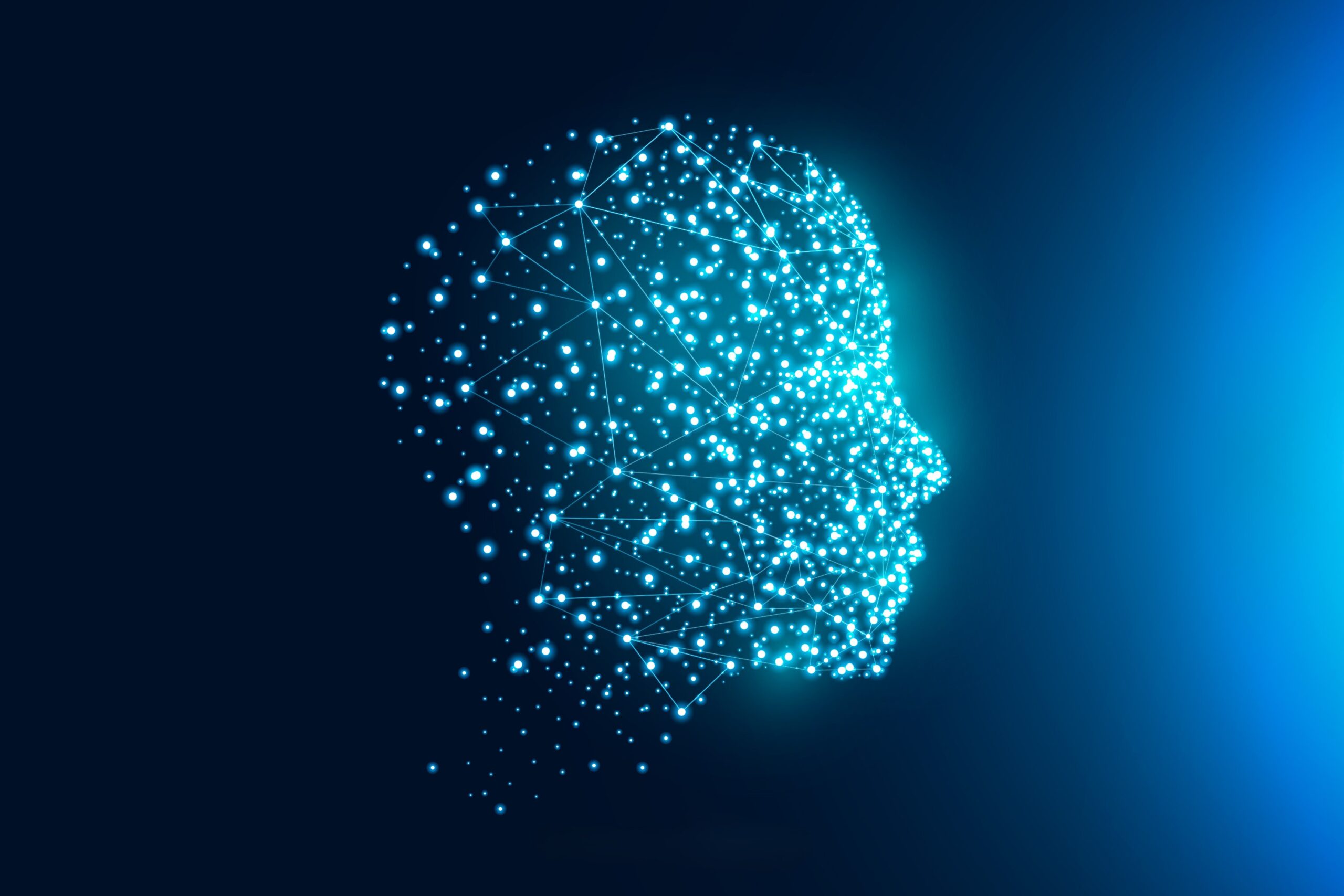
The Human Brain Has More Connections Than Stars in the Milky Way
The human brain contains trillions of connections—far more than the number of stars in the Milky Way galaxy. This astonishing comparison reveals just how complex our minds truly are. From neurons to synapses, scientists are uncovering how this vast network shapes memory, learning, intelligence, and even the fragile nature of human thought. Read more
-
 6–9 minutes
Neuroscience Maps How Sleep Clears Toxic Brain Waste
Neuroscience has revealed that sleep is far more than rest—it activates the brain’s glymphatic system, a powerful network that clears toxic waste accumulated during the day. Discovered in 2012, this nightly cleaning process protects memory, supports long-term brain health, and may play a crucial role in preventing neurological diseases like Alzheimer’s. Read more