
-
 3–4 minutes
Why Walking Through a Door Makes You Forget
You walk into a room with total purpose, and the moment you cross the threshold, your reason for being there vanishes. This isn’t a memory failure — it’s the doorway effect, a real psychological quirk where your brain treats a doorway as a chapter break. Here’s the surprising science, and how to outsmart it. Read more
-
 6–8 minutes
Learned Helplessness: The Experiment That Explains Why People Stop Trying
The door was open. One low barrier, one step, and freedom on the other side. They didn’t take it — most didn’t even look for it. In 1967 a psychologist stumbled onto the hidden mechanism behind one of the most misread human behaviors there is, and it has almost nothing to do with willpower. Read more
-
 6–8 minutes
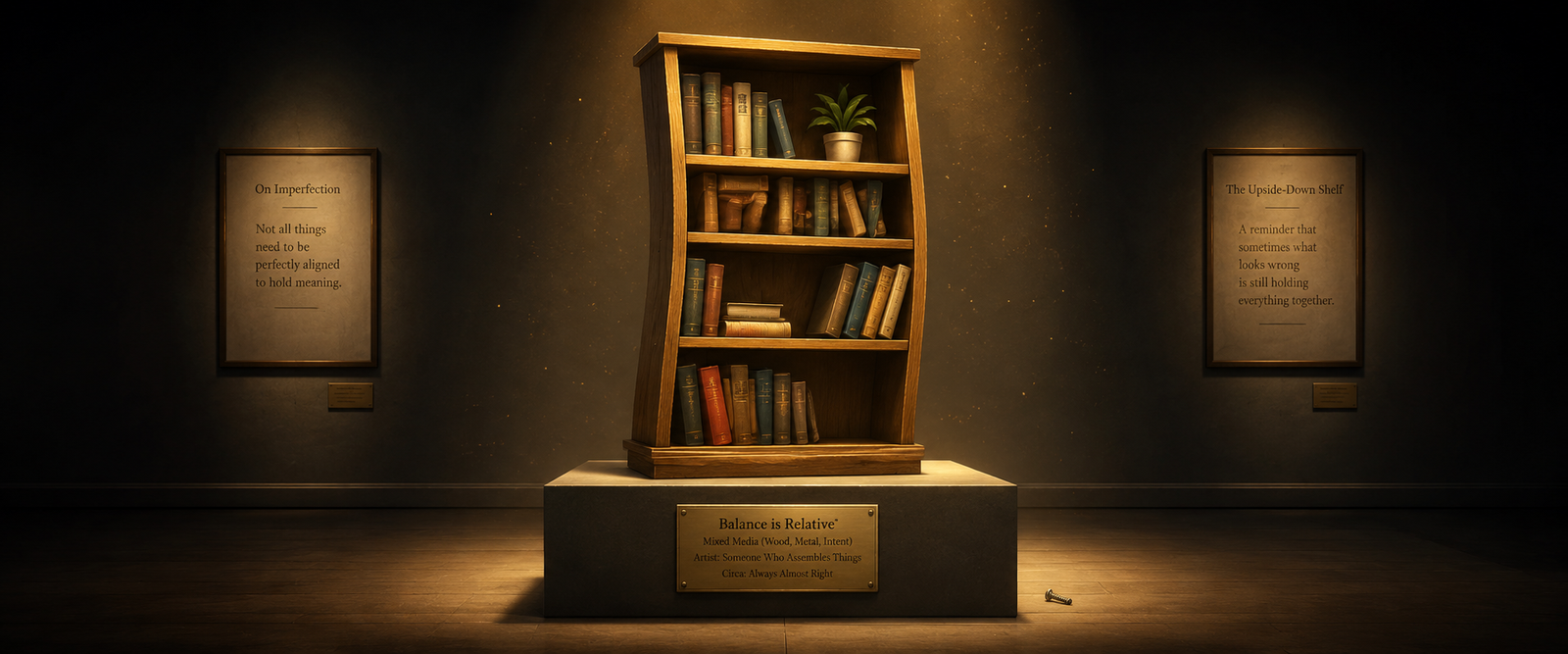
The IKEA Effect and Why We Overvalue What We Build
Somewhere there’s a lopsided bookshelf its owner would defend with their life. It leans badly. One shelf is upside down. The instructions were abandoned around step four. And yet it’s worth more to them than anything money could buy — for a reason psychologists have measured, replicated, and given a slightly embarrassing name. Read more
-
 5–7 minutes
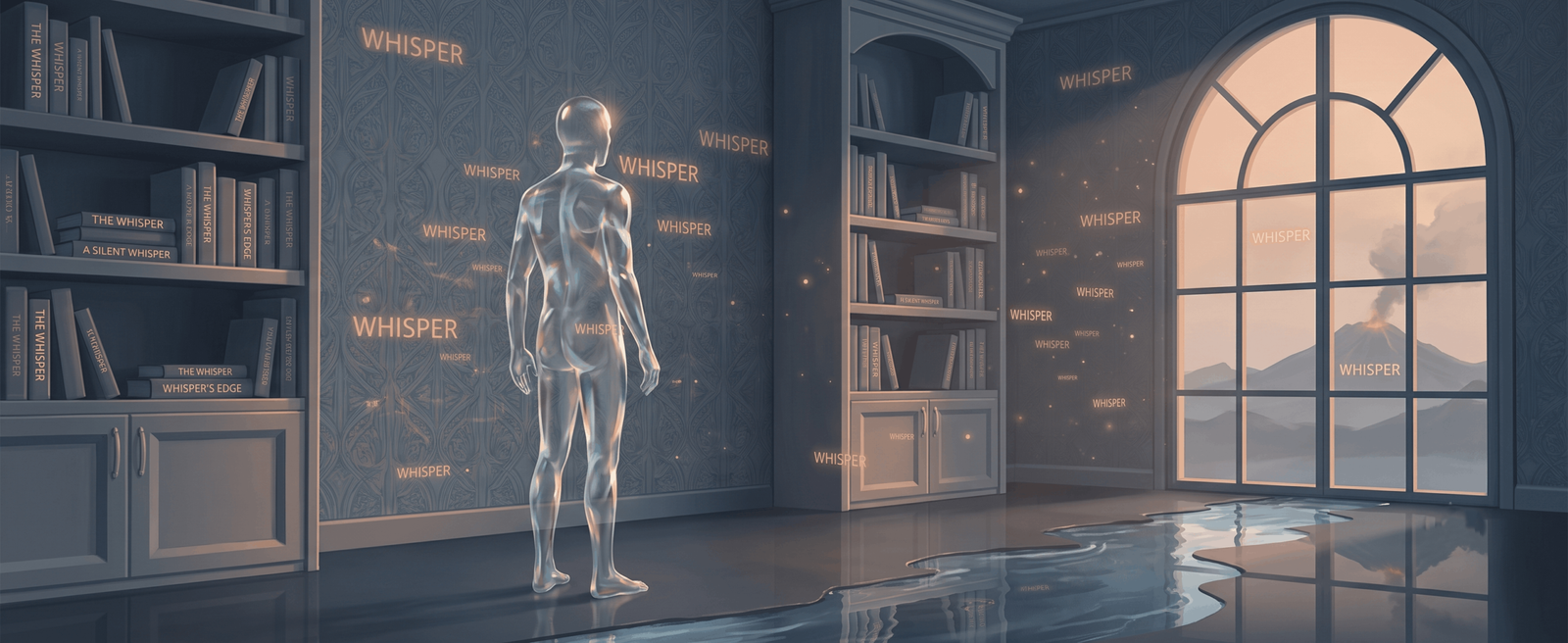
The Baader-Meinhof Phenomenon Explained
You learn a word once, then see it everywhere for a week. It feels like a sign. It’s actually your brain quietly rewiring its filters — and the real story behind it is stranger than the coincidence itself. Read more
-
 3–5 minutes
Psychic Numbing — Why a Million Deaths Feel Like a Statistic But One Story Breaks You
In a famous experiment, researchers showed people a starving child’s photograph — and donations poured in. Then they added a statistic: seven million children like her are dying. Donations dropped by half. The scale didn’t multiply compassion. It erased it. This is psychic numbing, and it has been quietly shaping every war, every disaster, and… Read more
-
 7–10 minutes
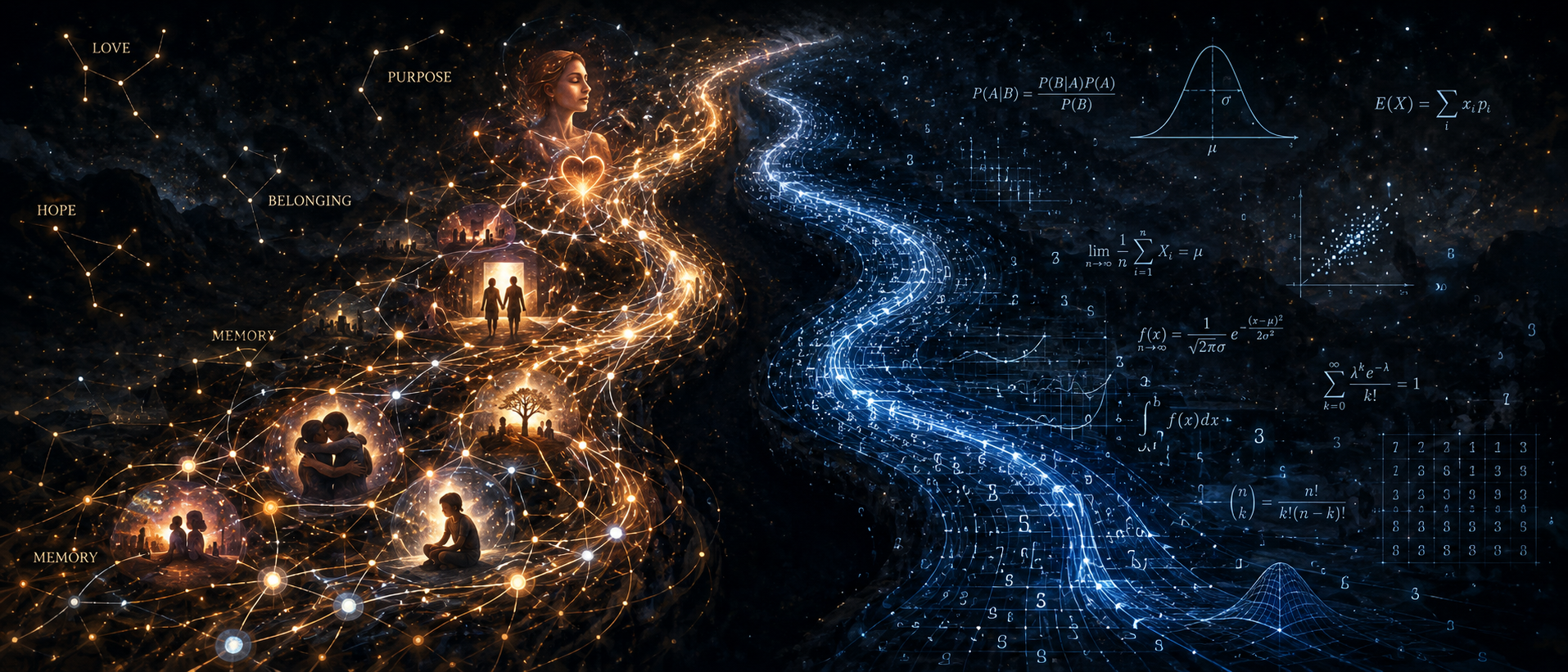
Why Coincidences Feel Meaningful — And the Mathematics That Explains Them Away
You think of someone you haven’t spoken to in years. Your phone rings. It’s them. The feeling is electric — impossible, loaded, significant. But is it? The mathematics of coincidence says no. The psychology says the feeling doesn’t care. Here’s why both are telling the truth at the same time. Read more
-
 5–7 minutes
The Bystander Effect — Why More People Means Less Help in a Crisis
In a crisis, you’d expect more people to mean more help. The Bystander Effect reveals the disturbing opposite — the bigger the crowd, the less likely anyone is to act. It’s not cruelty. It’s psychology. And once you understand the hidden forces freezing people in place, you’ll never look at a crowd the same way… Read more
-
 5–8 minutes
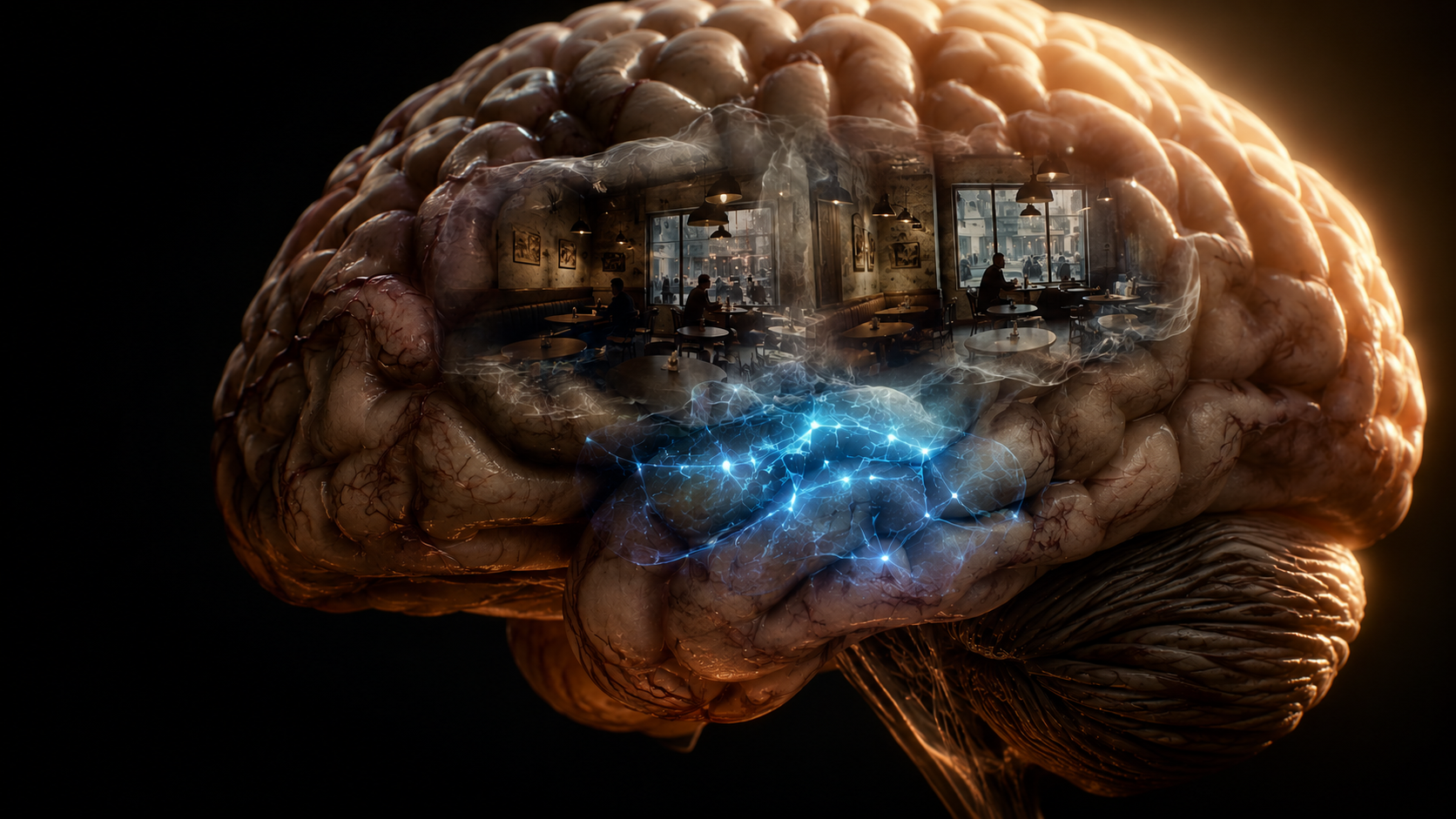
The Science of Déjà Vu: What’s Actually Happening in Your Brain
That eerie “I’ve been here before” feeling has a name — and a surprisingly rich scientific explanation. The science of déjà vu reveals a fascinating glitch in how your brain constructs and monitors memory. It’s not mystical, not random — it’s your mind catching itself mid-error. Here’s what’s actually happening inside your brain. Read more
-
 5–7 minutes
The Science Behind First Impressions
Your brain forms a complete judgment about a stranger in just 100 milliseconds — before a handshake, before a hello, before a single word. The science behind first impressions reveals how ancient survival instincts, body language, and unconscious bias shape every new connection you make. Understanding it won’t just fascinate you — it’ll change how… Read more
-
 6–9 minutes
10 Strange Things Your Brain Does That You Never Notice
Have you ever zoned out mid-conversation and then somehow caught the last word someone said — even though you weren’t listening? Or felt your heart sink the split second before you even knew something was wrong? That’s not a coincidence. That’s your brain pulling off something remarkable behind the curtain, without asking your permission. The… Read more