
-
 3–4 minutes
The Oldest Quasars in the Universe Shouldn’t Exist
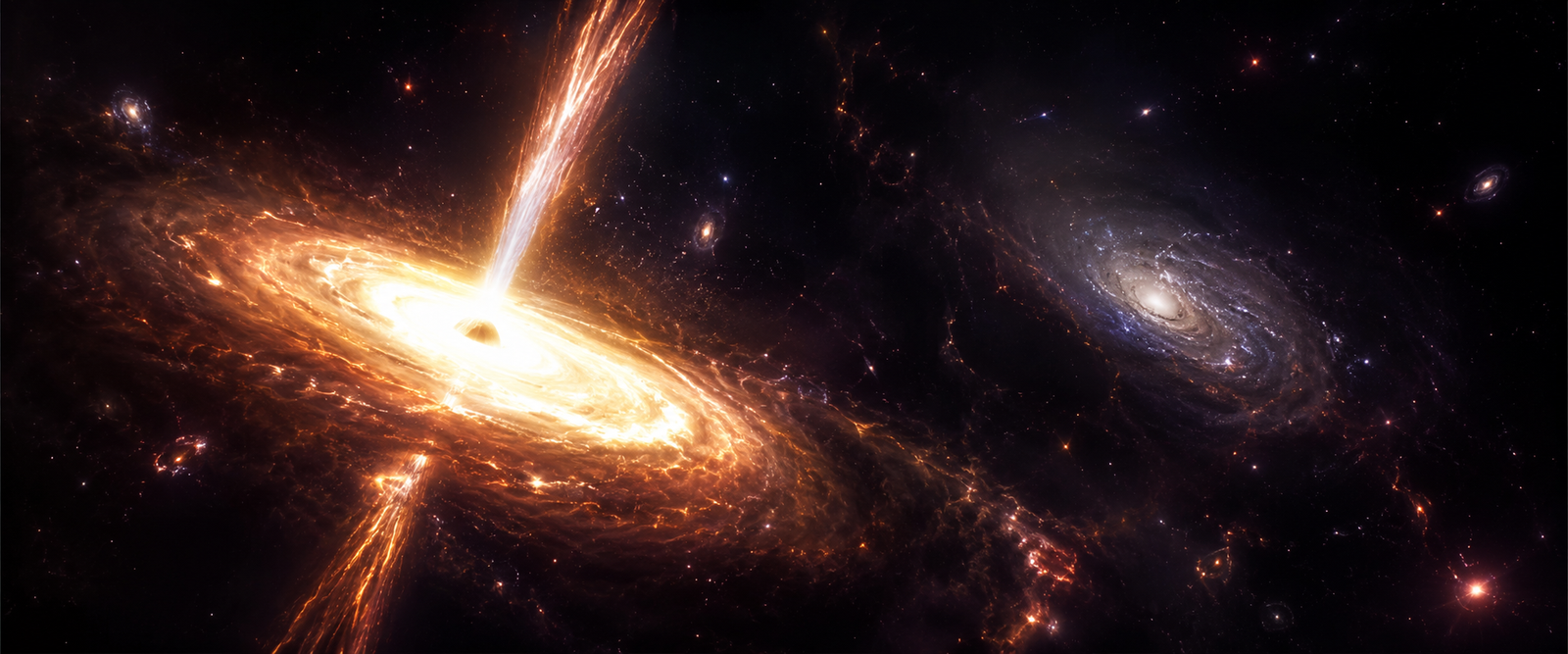
Look far enough into space and you look back in time. In 2026, Euclid found the two most distant quasars ever seen — brilliant beacons from when the cosmos was just 670 million years old. The catch? The giant black holes powering them shouldn’t have existed yet. Here’s the mystery hiding in that ancient light. Read more
-
 4–7 minutes
Olbers’ Paradox: Why the Night Sky Isn’t Bright
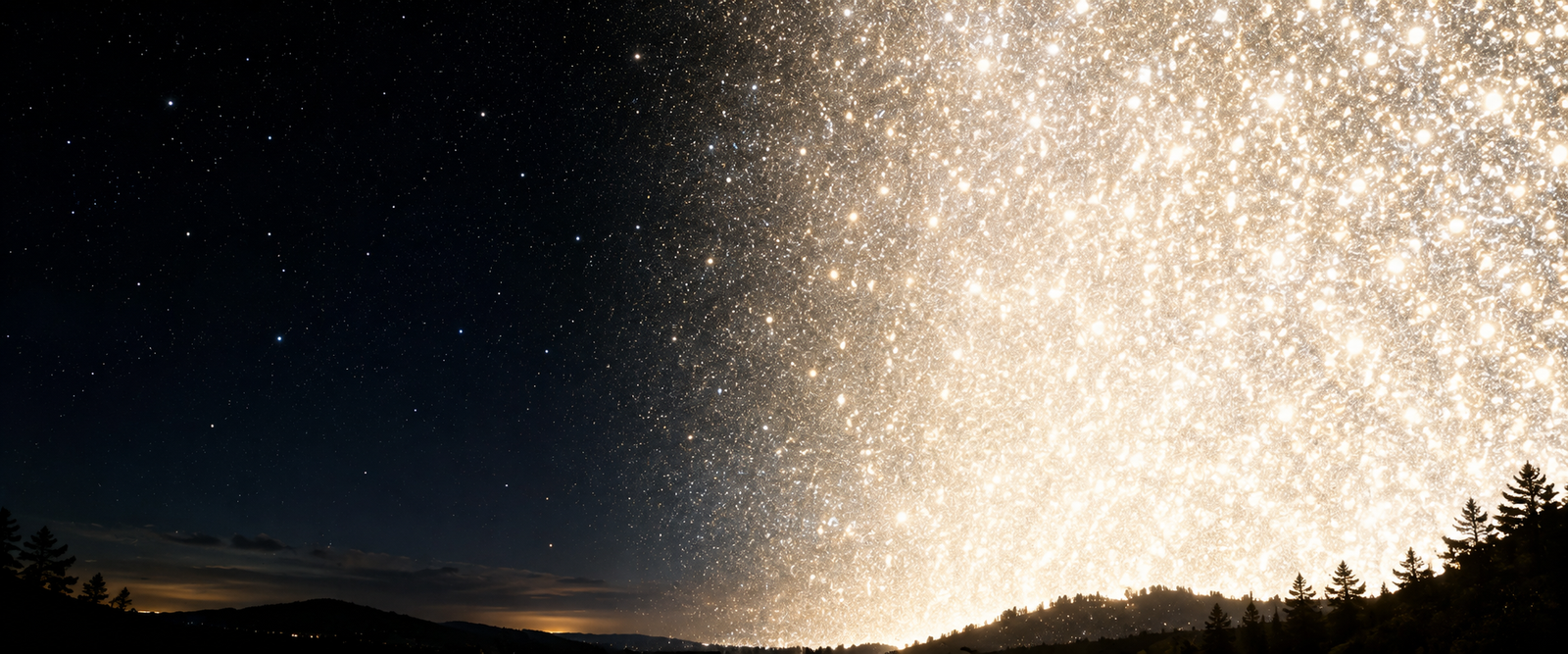
The night sky is mostly black — so obvious nobody questions it. But if the universe is infinite and full of endless stars, every point overhead should blaze as bright as the sun. It doesn’t. The reason the sky stays dark quietly reveals something enormous about the age of the cosmos itself. Read more
-
 5–8 minutes
The Boltzmann Brain Paradox: A Universe of Floating Minds
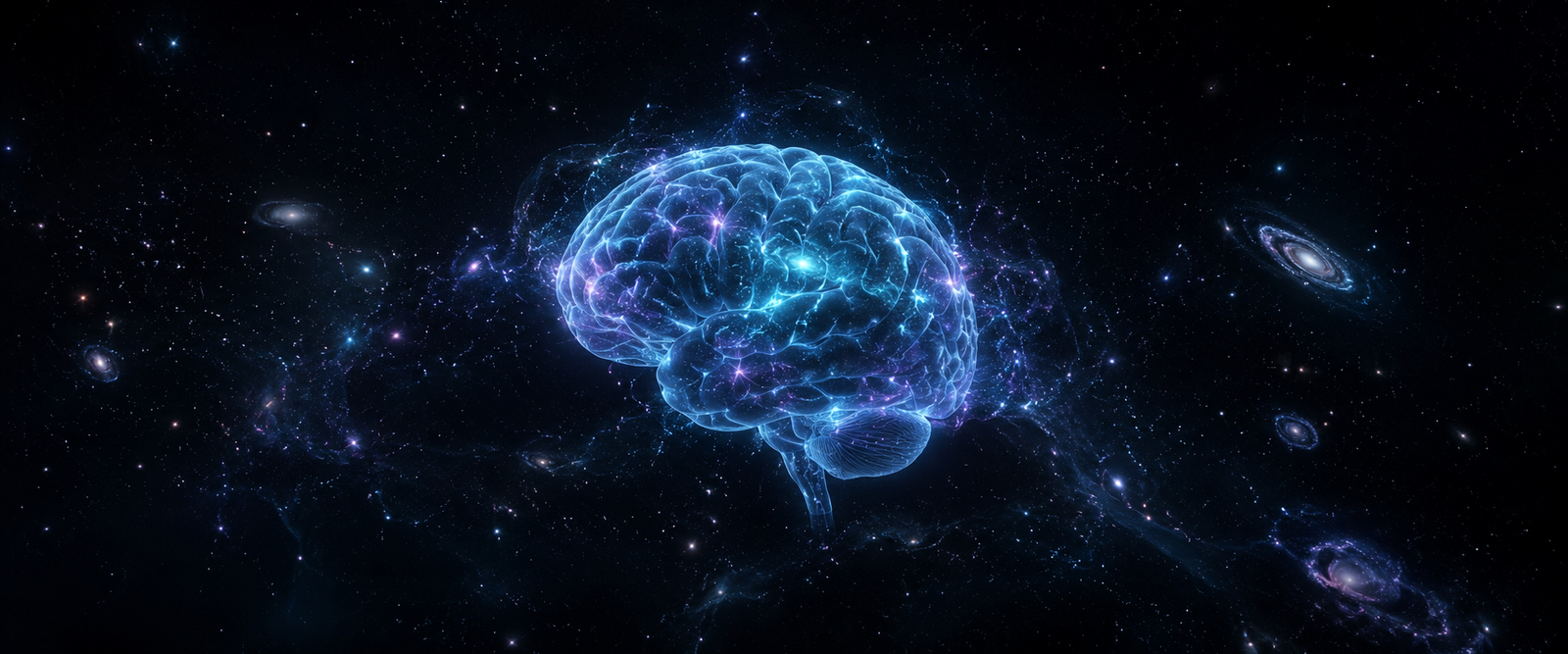
Right now, floating somewhere in deep space, there may be a fully formed brain that popped into existence by chance — with memories it never lived, convinced it’s a person reading this. The disturbing part isn’t that it’s possible. It’s that, by cold probability, it may be far more likely than you. Read more
-
The Great Attractor — Something Is Pulling Our Entire Galaxy and Nobody Knows What It Is
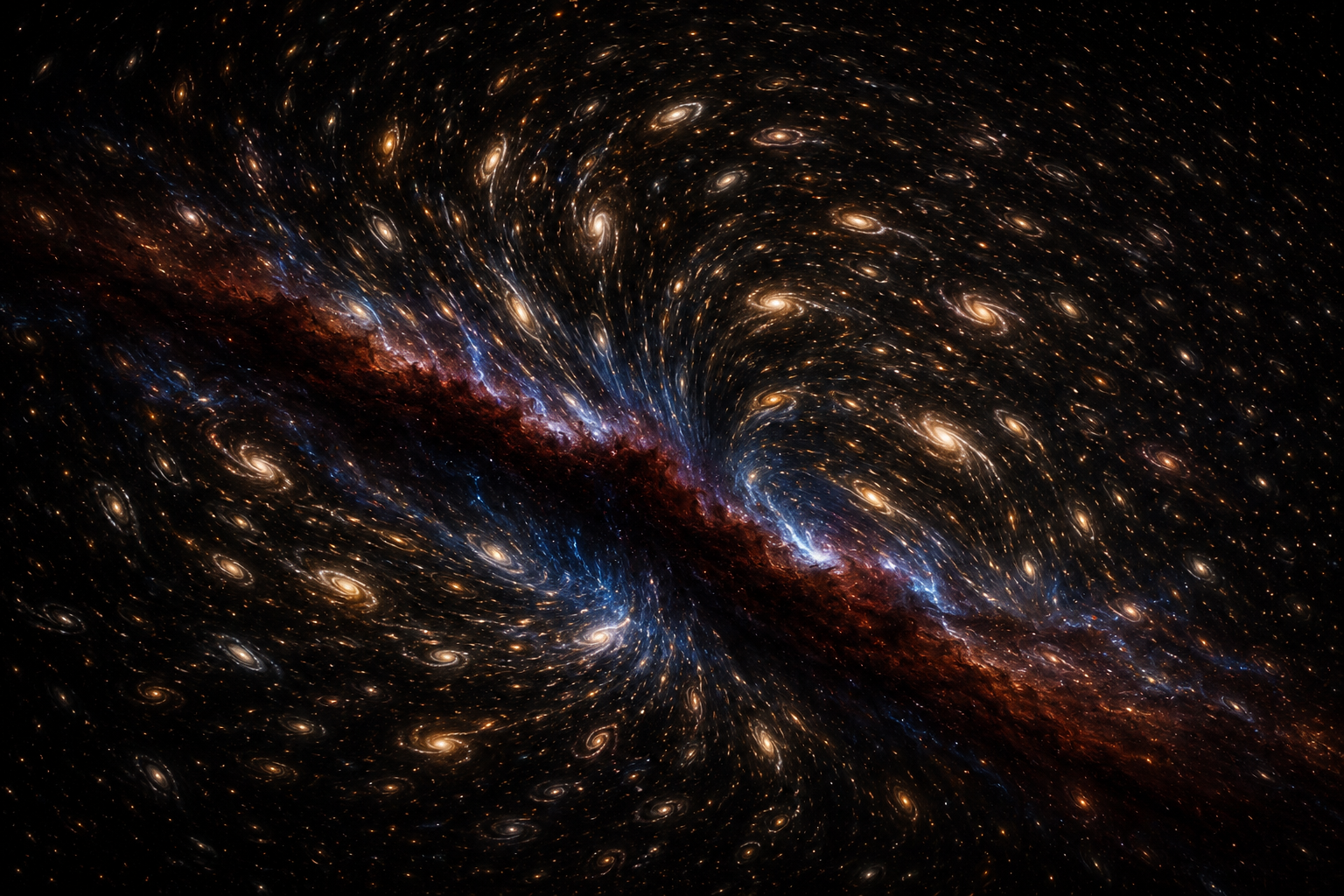
Something is dragging the Milky Way through space at 600 kilometres per second — and it isn’t the universe’s expansion. It’s a gravitational anomaly called the Great Attractor, 150 million light-years away, containing the mass of tens of thousands of galaxies. We can’t see it directly. Our own galaxy is blocking the view. Read more
-
 6–9 minutes
What Happened in the First Second After the Big Bang?
The Big Bang gets all the credit. But the first second after it is where everything was actually decided — the forces, the particles, the razor-thin margin that chose matter over nothingness. Everything that exists, including you, was determined in less time than a heartbeat. Here’s what really happened. Read more
-
 8–11 minutes
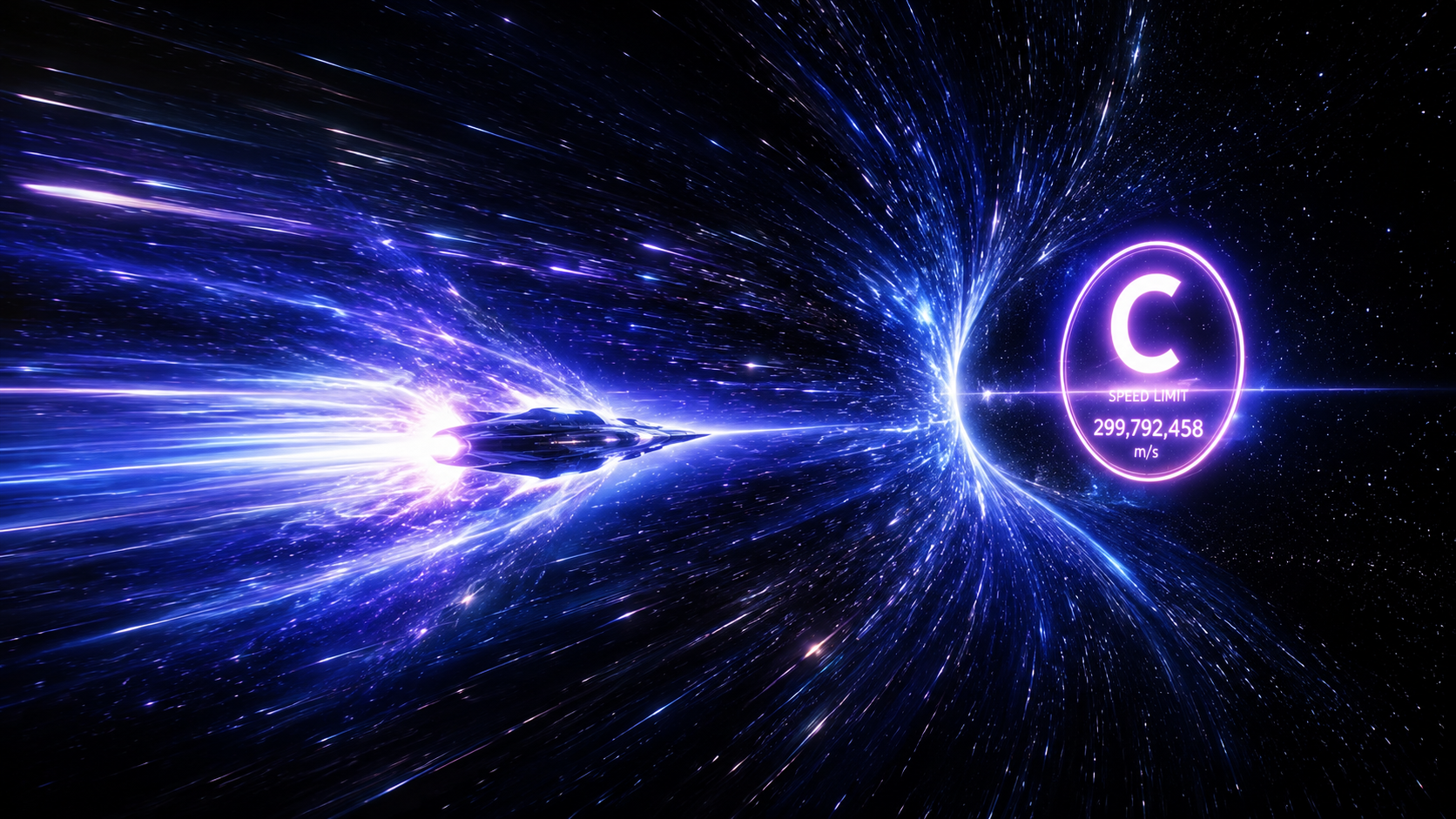
Why Nothing Can Travel Faster Than Light — And What Happens If You Try
The speed of light isn’t an arbitrary cosmic speed limit. It’s a consequence of how space and time are geometrically woven together — and the closer you push toward it, the stranger reality becomes. Time slows. Mass grows toward infinity. And the universe reveals a structure far odder than any sci-fi writer imagined. Read more
-
 7–11 minutes
Falling Into a Black Hole Experience: What Would You Actually See?
You’ve crossed the event horizon. Nothing exploded. No alarm sounded. From your perspective, the most catastrophic boundary in the universe looked unremarkable. But from a safe distance, your friend watched you freeze, fade, and never arrive. The falling into a black hole experience is two completely different stories — and physics tells both in perfect,… Read more
-
 8–12 minutes
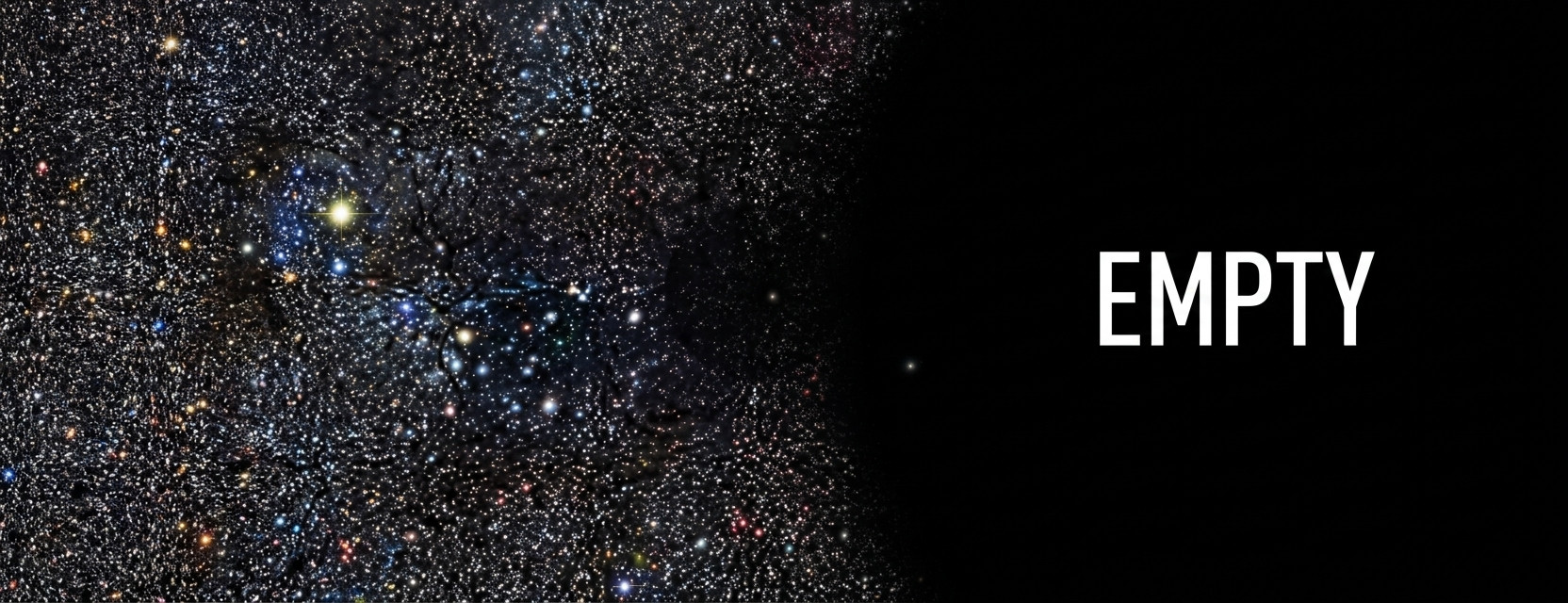
The Cosmic Void So Large It Challenges Everything We Know About the Universe
There is a place in the universe 330 million light-years wide where almost nothing exists. No stars, no galaxies, no dark matter — just space. It is called the Boötes cosmic void, and its existence, according to our best models of how the universe works, should be essentially impossible. Here is what it means that… Read more
-
 7–11 minutes
Is Parallel Universe Real? Physics Behind Multiverse Theory
Is the parallel universe theory real, or just a fascinating idea from physics? This article breaks down the science behind the multiverse, exploring quantum mechanics, cosmic inflation, and the possibility that multiple realities may exist beyond our universe. Read more
-
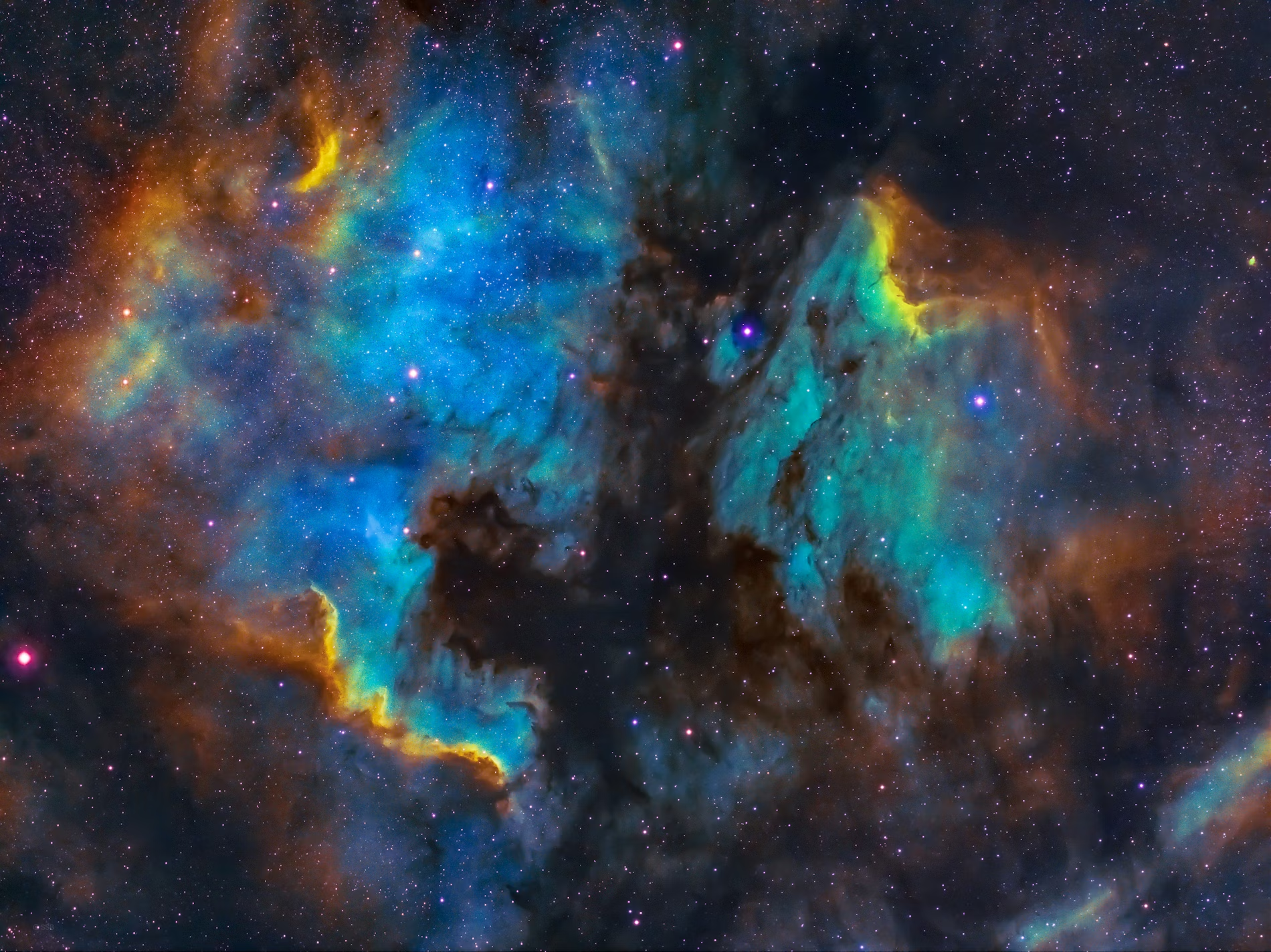 6–8 minutes
James Webb Telescope Unveils Secrets of the Universe’s First Stars
The James Webb Space Telescope is pushing humanity’s view deeper into cosmic history, revealing clues about the universe’s first stars. By detecting faint infrared light from ancient galaxies, astronomers are uncovering how the earliest stellar generations formed, evolved, and shaped the chemical foundations that later allowed galaxies, planets, and life itself to emerge. Read more