
-
 8–11 minutes
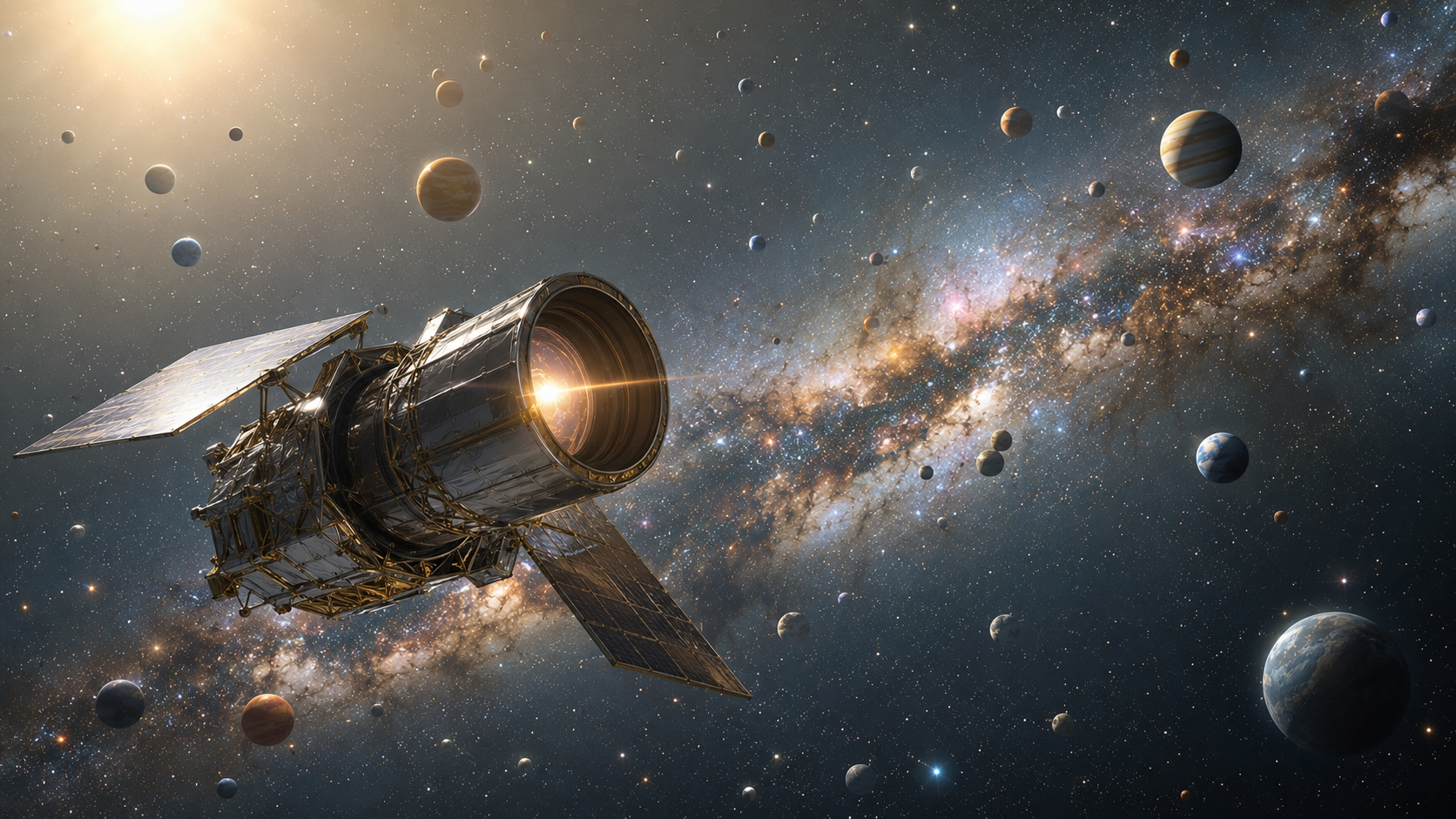
NASA’s New Telescope Could Reveal 100,000 Hidden Worlds at Once
Every planet ever confirmed outside our solar system was found one at a time. The NASA Roman Space Telescope is about to change that — discovering an estimated 100,000 exoplanets in a single mission, rewriting the map of the galaxy, and answering questions about dark energy that have stumped physics for decades. Read more
-
 8–13 minutes
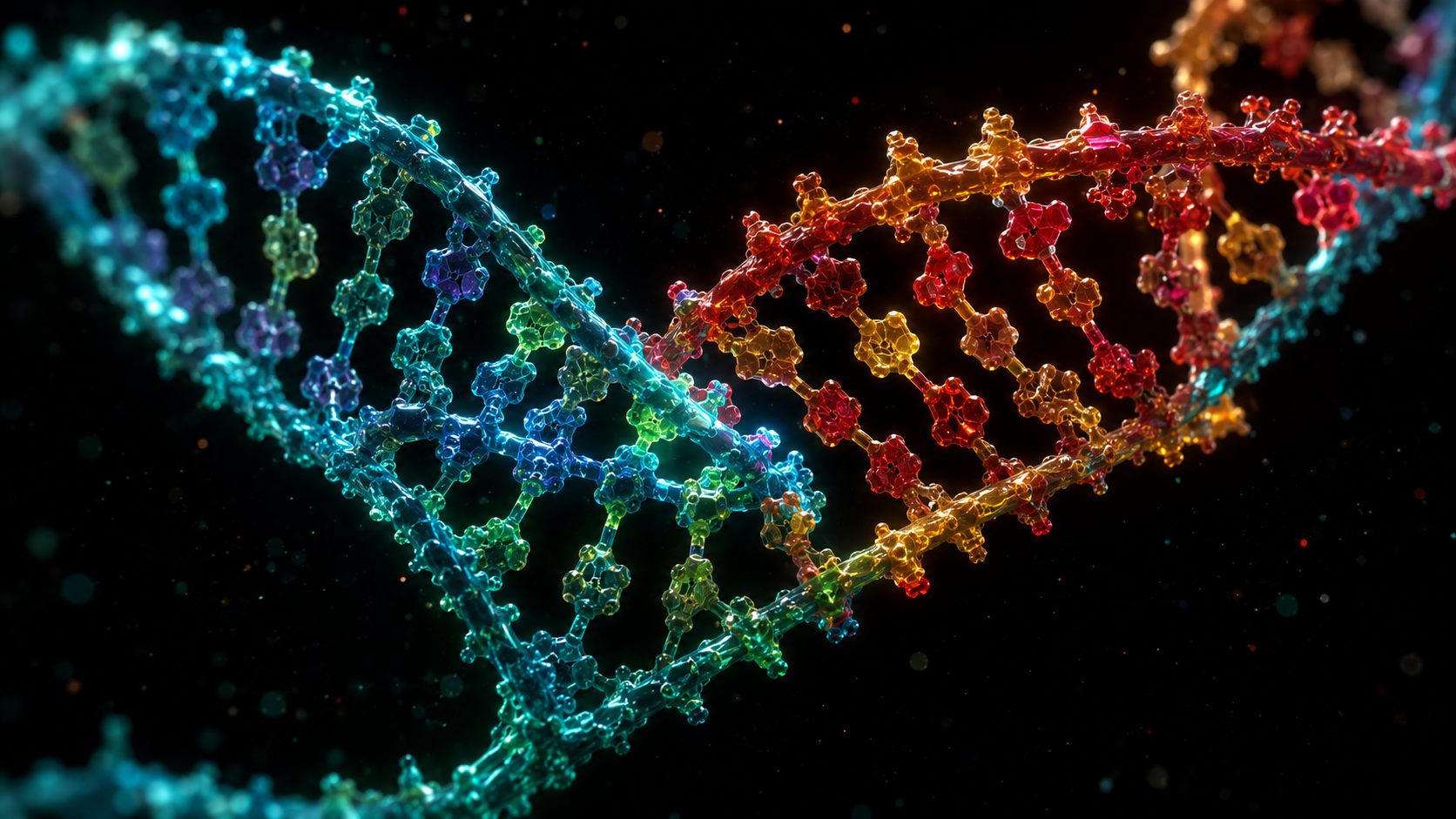
A Self-Replicating Molecule Was Created in a Lab — And It Changes Everything About Life’s Origin
Four billion years ago there was no life on Earth. Then there was. Something in the chemistry of the early planet crossed a threshold — and a new 2026 discovery in Cambridge may finally show us what that something was: a single RNA molecule that figured out how to copy itself, without any biological help… Read more
-
 7–11 minutes
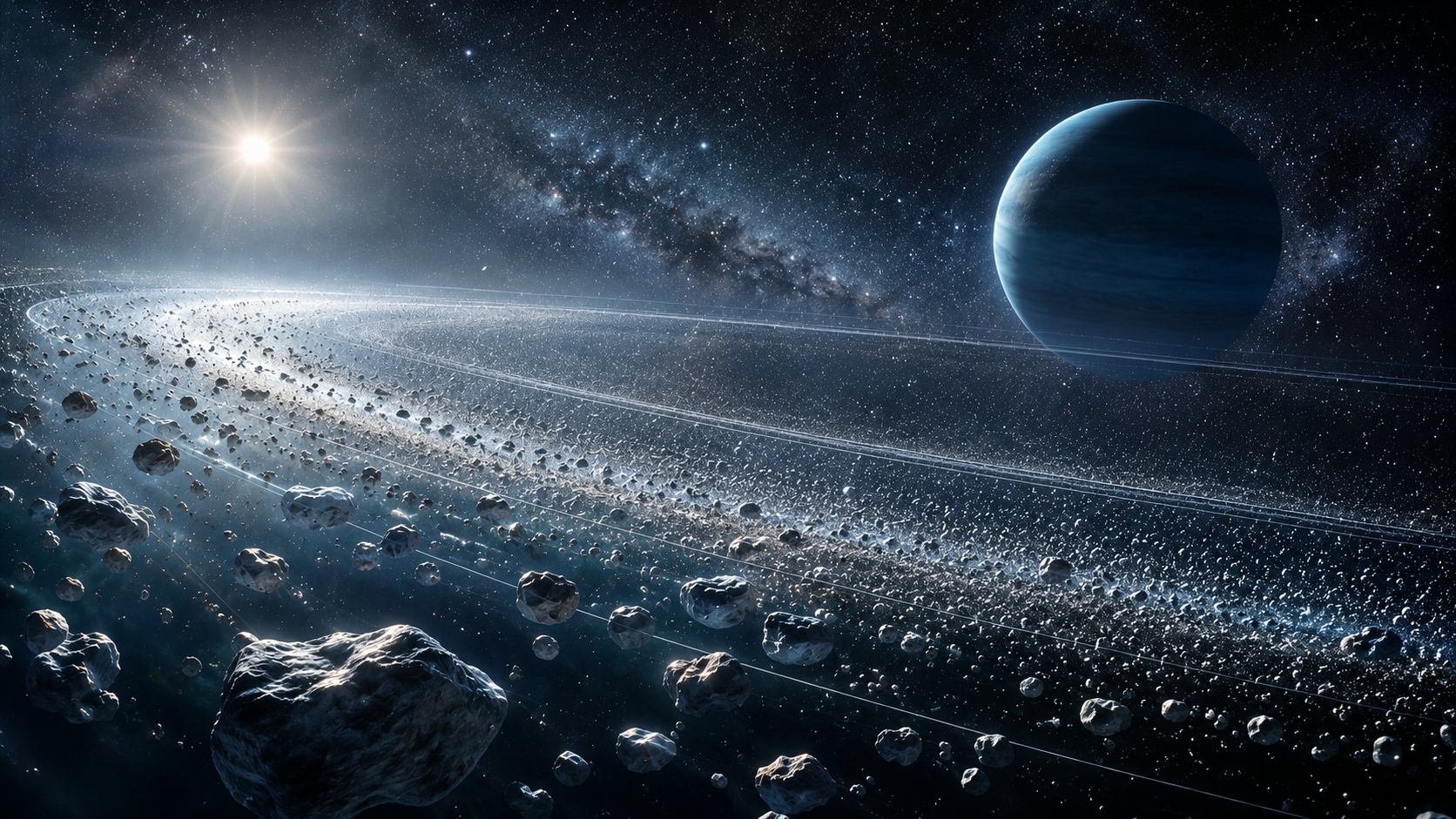
Planet Nine Mystery Just Got Darker — And Nobody Knows What’s Out There
There may be a planet the size of several Earths sitting in our own solar system — undetected, orbiting in complete darkness, unknown to science for the entirety of human civilization. New 2026 data was supposed to settle the question of whether Planet Nine exists. Instead, it made the mystery considerably darker. Read more
-
 5–8 minutes
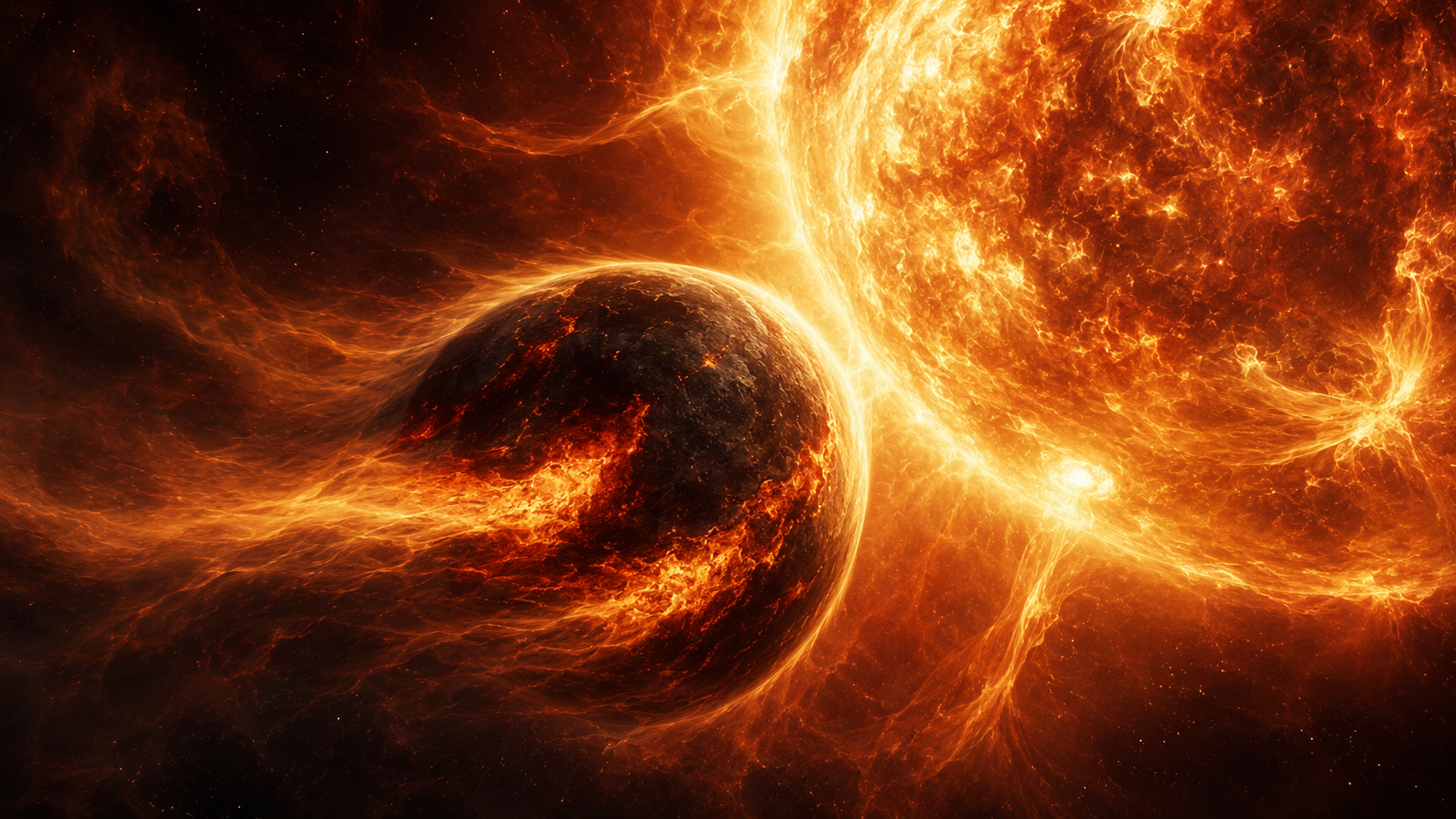
The Planet That Should Not Exist — But Does
Somewhere in the galaxy, a planet is orbiting its star backwards. Another is being slowly eaten alive, pulled apart in real time. A third formed inside a pulsar’s radiation field — a place where nothing should survive. These are not theories. They are confirmed worlds that broke every rule planetary science thought it had. Read more
-
 7–11 minutes
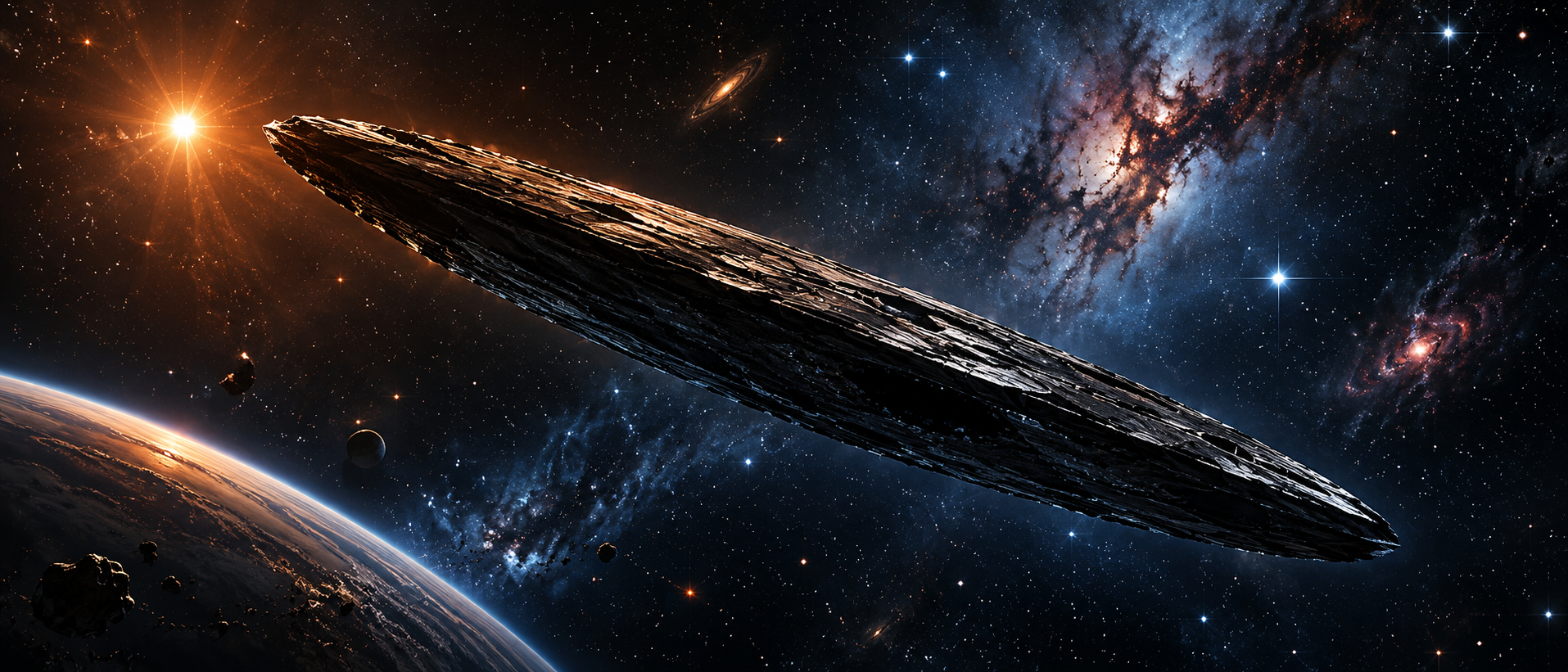
Oumuamua Interstellar Object: The Visitor That Broke Every Rule We Had
In 2017, astronomers caught something from outside our solar system mid-exit — tumbling, accelerating without explanation, shaped like nothing natural should be, and gone before anyone could get a proper look. The Oumuamua interstellar object still has no satisfying explanation. And the data, if anything, keeps getting stranger. Read more
-
 8–12 minutes
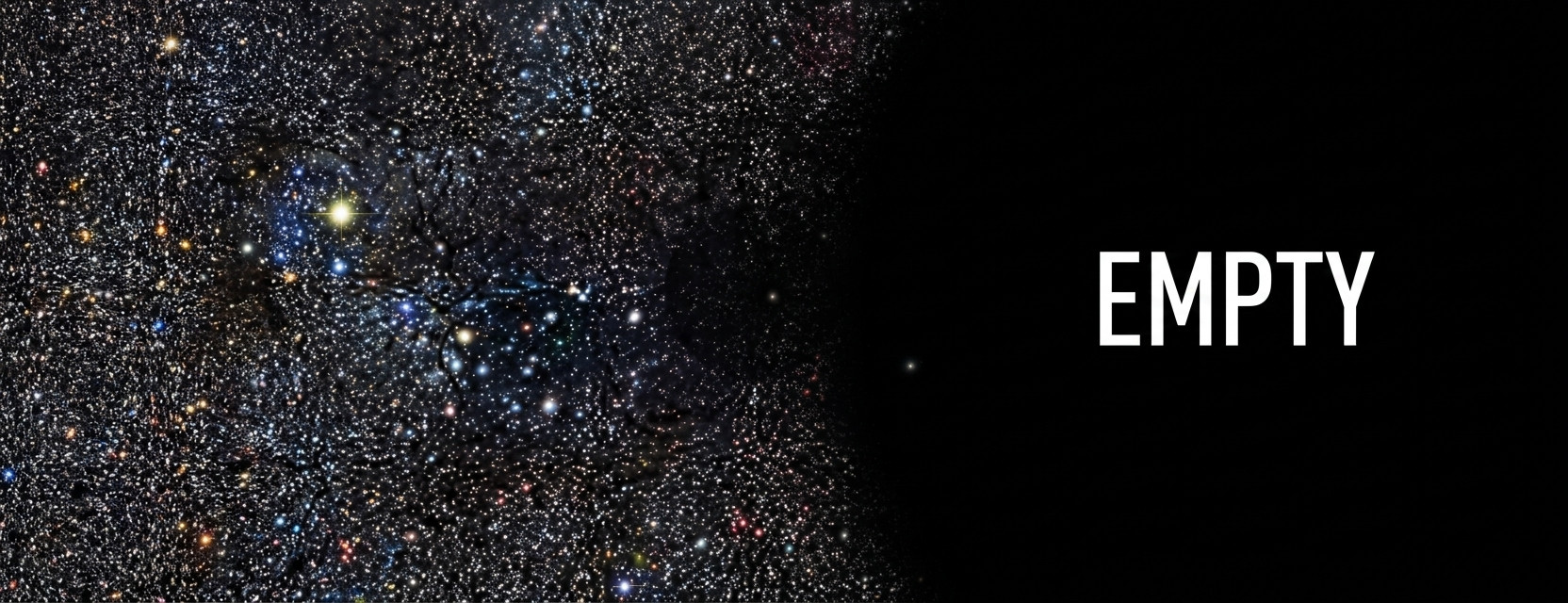
The Cosmic Void So Large It Challenges Everything We Know About the Universe
There is a place in the universe 330 million light-years wide where almost nothing exists. No stars, no galaxies, no dark matter — just space. It is called the Boötes cosmic void, and its existence, according to our best models of how the universe works, should be essentially impossible. Here is what it means that… Read more
-
 6–9 minutes
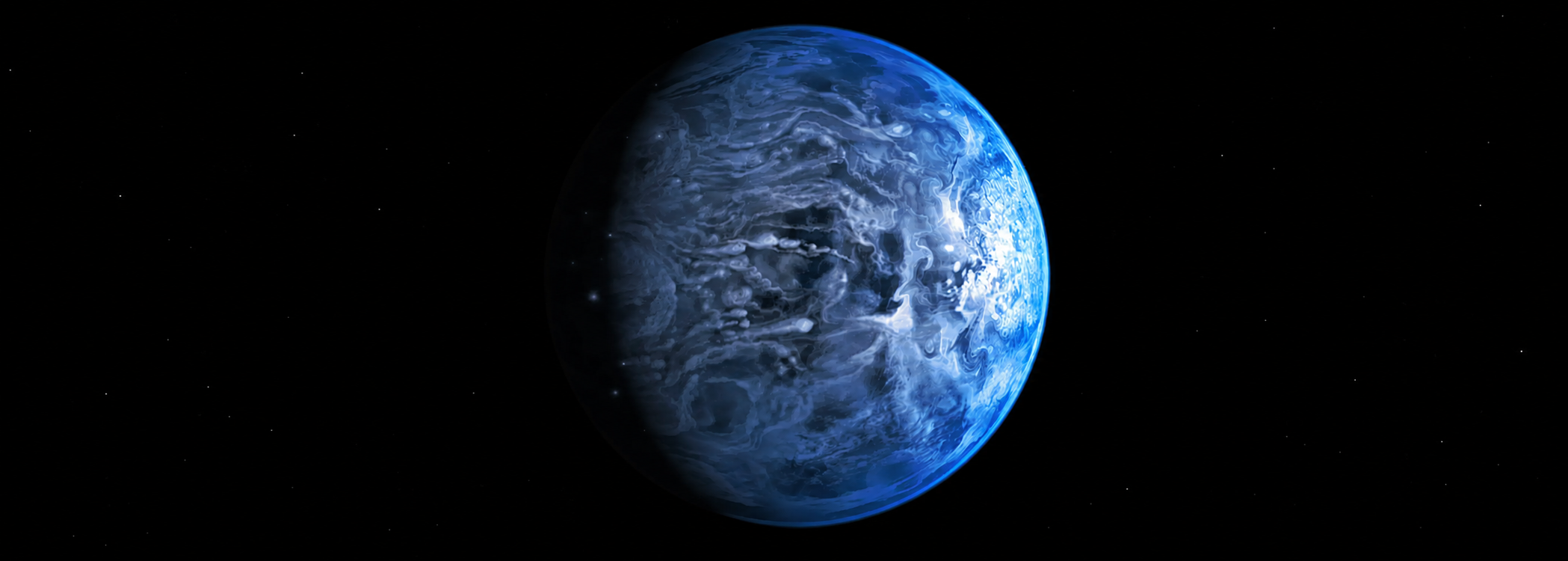
NASA Found a Planet That Rains Glass — Sideways
Sixty-three light-years from Earth sits a planet that looks exactly like home — deep cobalt blue, almost peaceful. But its atmosphere burns at 1,000 degrees, its winds move at seven times the speed of sound, and every single day it rains molten glass. Sideways. This is the glass rain planet — and it will change… Read more
-
 5–8 minutes
Lab-Grown Blood Is Here — And It Could End Donor Shortages Forever
For centuries, there has been only one way to get blood into someone who needed it — find a willing donor and hope. Now, for the first time in history, scientists have grown red blood cells in a laboratory and transfused them into a living human being. Lab grown blood is no longer a theory.… Read more
-
 6–9 minutes
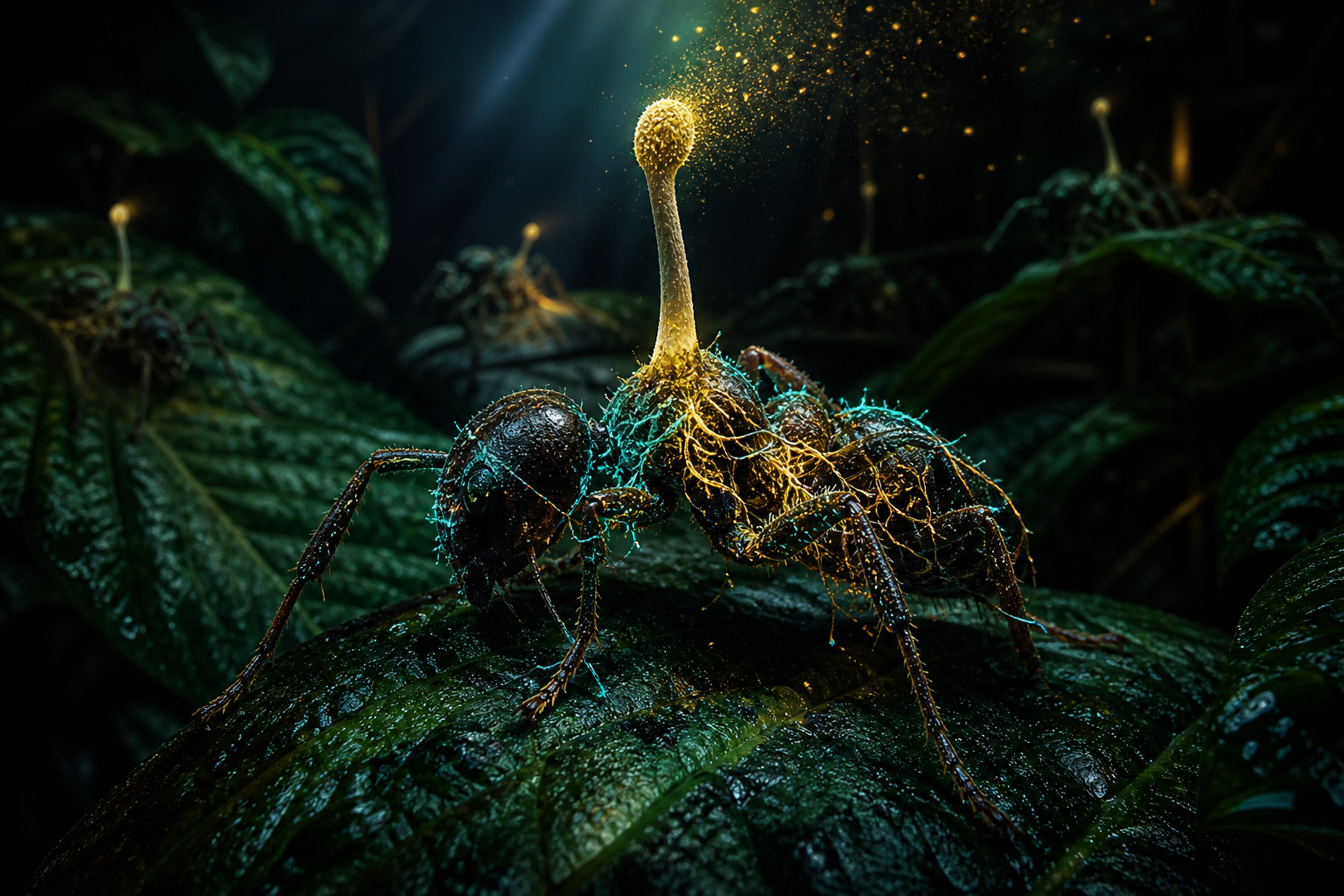
The Fungus That Controls Animal Brains
It doesn’t kill its host. It takes control. Zombie fungus mind control is one of the most extraordinary and disturbing phenomena in all of biology — and the more scientists study it, the more unsettling the picture becomes. Read more