
-
 3–4 minutes
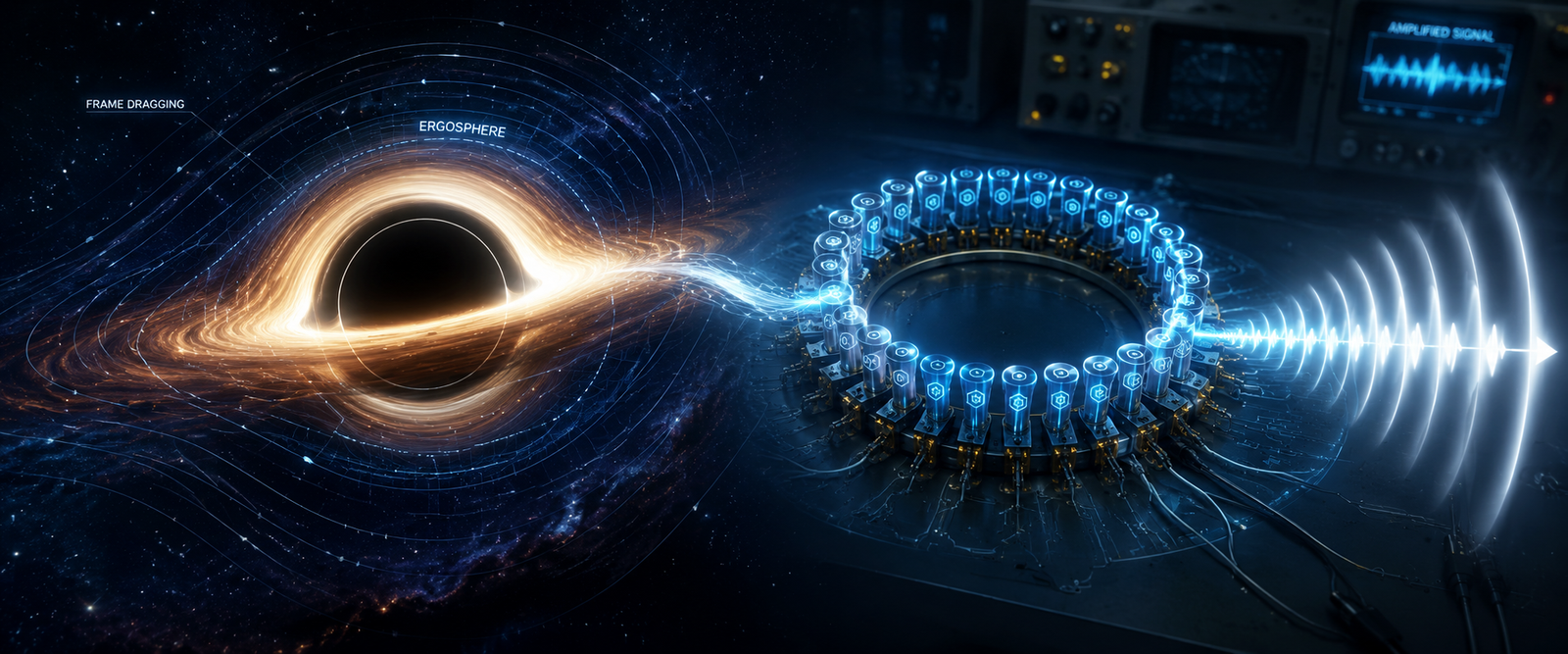
Extracting Energy From a Black Hole — Recreated in a Lab
A spinning black hole is, in theory, the most powerful battery in the universe. For fifty years, stealing its energy was pure mathematics. Then, in 2026, physicists in Manhattan recreated the trick on a lab bench — no black hole needed. Here’s how they pulled a cosmic secret down to Earth. Read more
-
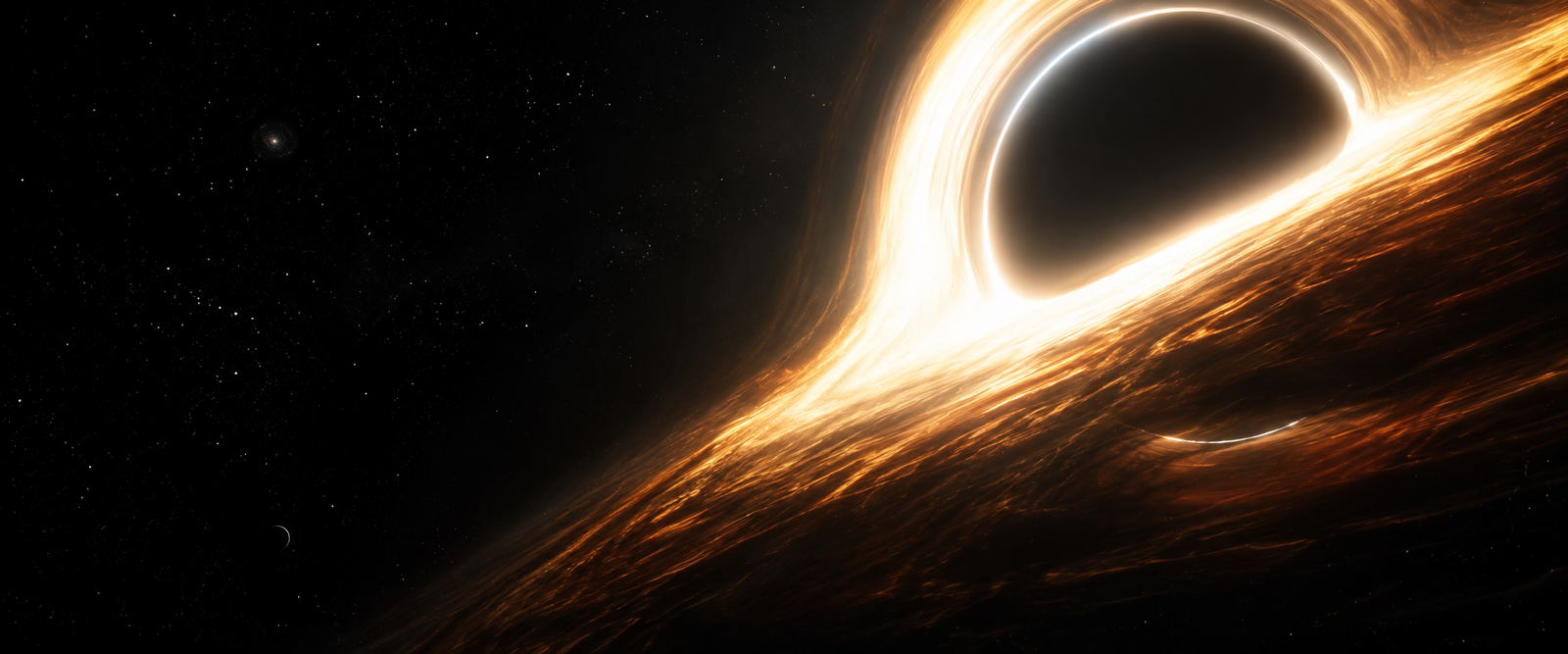
A Wandering Supermassive Black Hole Was Found Adrift in Space
Supermassive black holes are supposed to anchor the centres of galaxies. But astronomers just found one adrift 30,000 light-years out, with no galaxy around it — betrayed only when it shredded a passing star. Here’s how they caught this invisible giant, and what it reveals about how galaxies quietly grow by colliding. Read more
-
 3–4 minutes
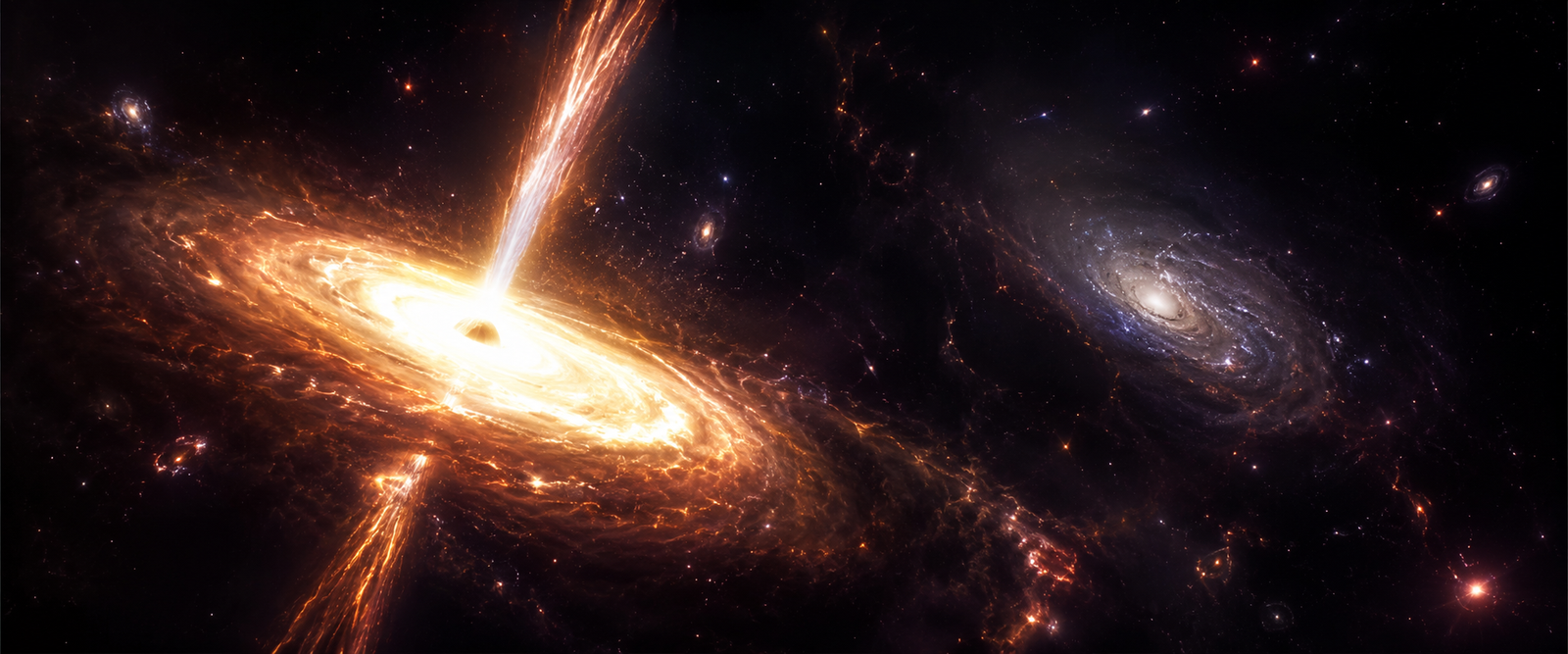
The Oldest Quasars in the Universe Shouldn’t Exist
Look far enough into space and you look back in time. In 2026, Euclid found the two most distant quasars ever seen — brilliant beacons from when the cosmos was just 670 million years old. The catch? The giant black holes powering them shouldn’t have existed yet. Here’s the mystery hiding in that ancient light. Read more
-
 3–4 minutes
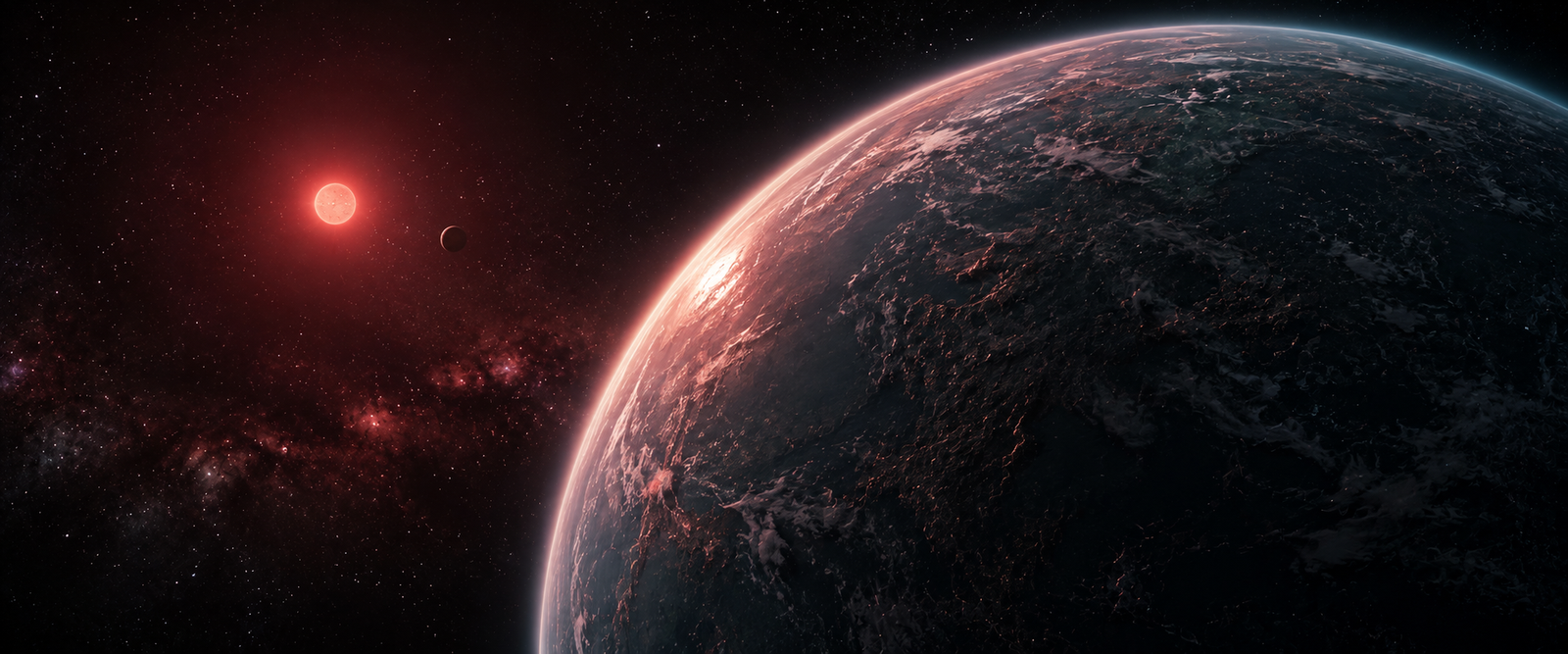
The First Atmosphere on a Habitable Zone Planet Was Just Found
For decades we found distant worlds but never knew if any could breathe. Now, 48 light-years away, a rocky super-Earth in its star’s temperate zone has revealed an atmosphere — detected not by sight, but by helium quietly leaking into space. Here’s why that quietly changes the entire search for life beyond our solar system. Read more
-
 7–11 minutes
A Golden Age of Discovery: Scientists Identifying 16,000+ New Species Every Year
Scientists are identifying more than 16,000 new species every year, marking an unprecedented surge in biodiversity discovery. From deep oceans to remote forests, modern technology is revealing life forms once hidden from human knowledge, reshaping our understanding of Earth’s ecosystems and highlighting the urgent race to document species before they disappear. Read more