
-
 6–8 minutes
Learned Helplessness: The Experiment That Explains Why People Stop Trying
The door was open. One low barrier, one step, and freedom on the other side. They didn’t take it — most didn’t even look for it. In 1967 a psychologist stumbled onto the hidden mechanism behind one of the most misread human behaviors there is, and it has almost nothing to do with willpower. Read more
-
 6–8 minutes
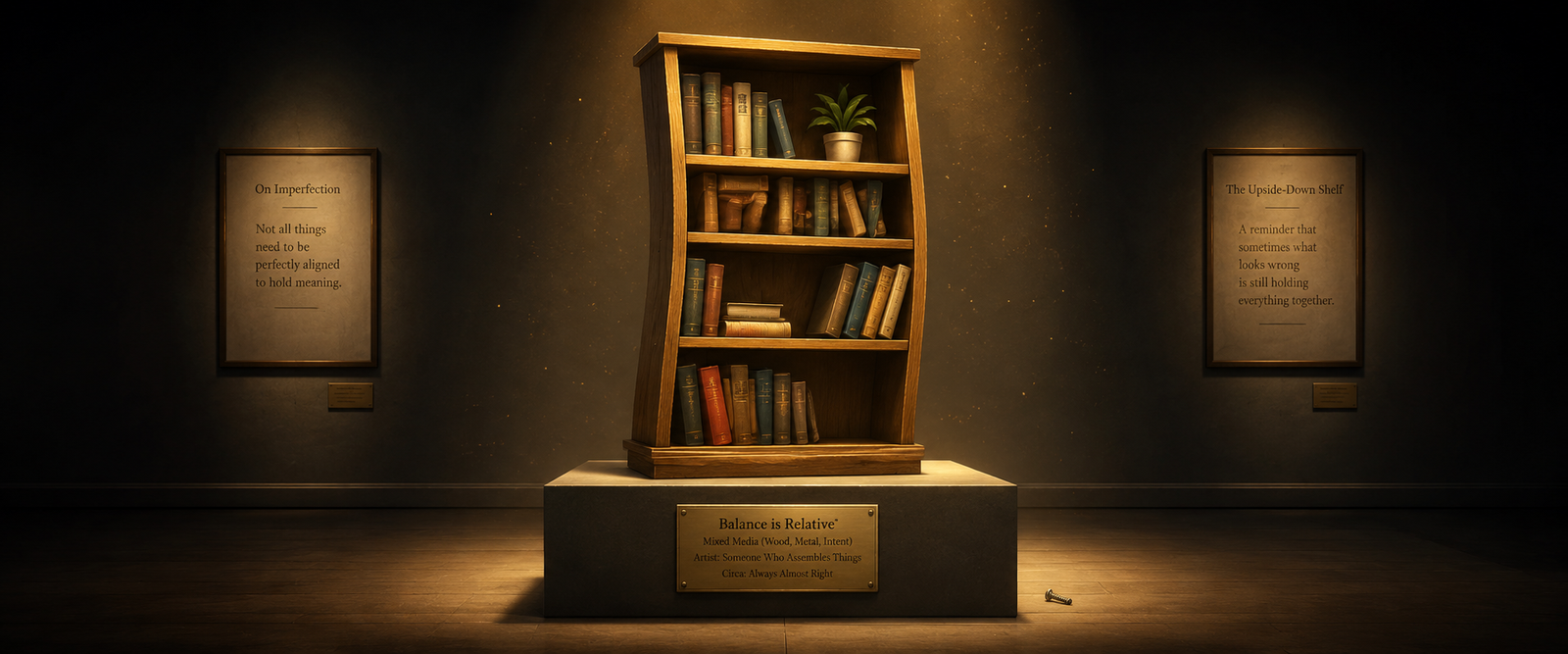
The IKEA Effect and Why We Overvalue What We Build
Somewhere there’s a lopsided bookshelf its owner would defend with their life. It leans badly. One shelf is upside down. The instructions were abandoned around step four. And yet it’s worth more to them than anything money could buy — for a reason psychologists have measured, replicated, and given a slightly embarrassing name. Read more
-
 5–7 minutes
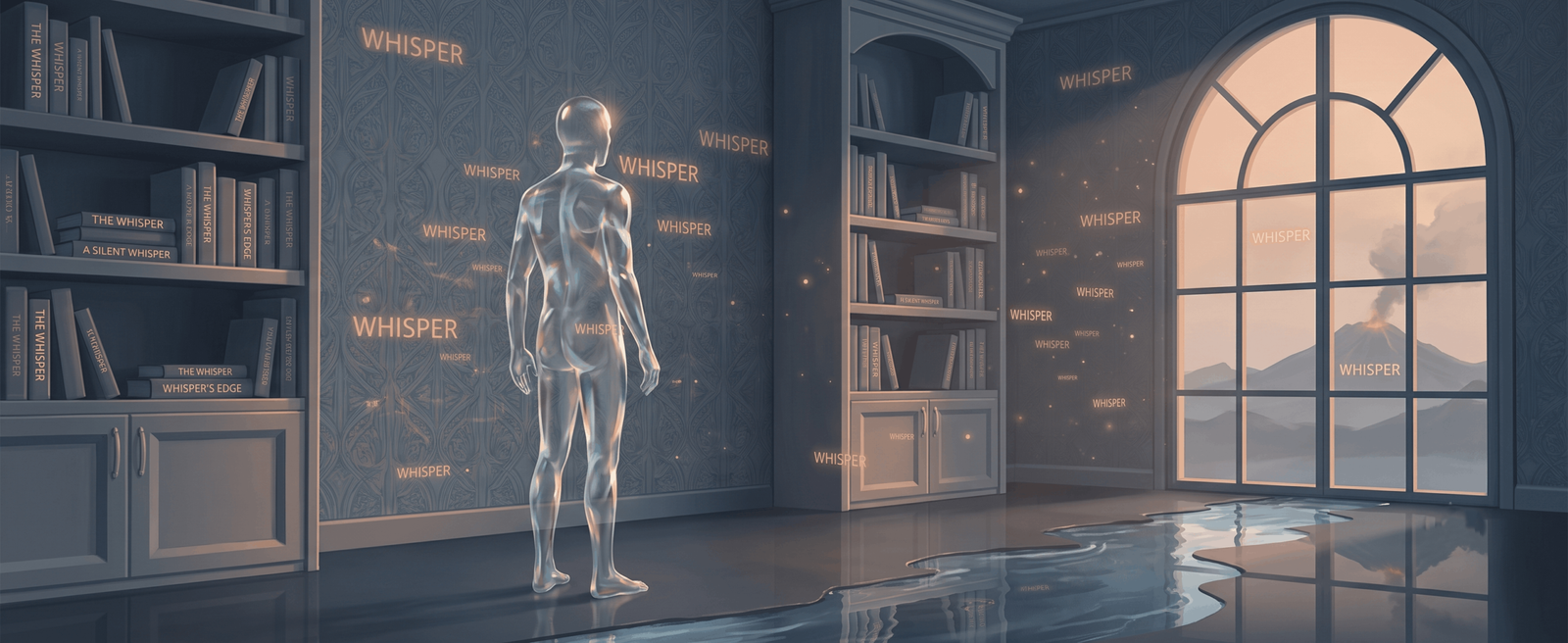
The Baader-Meinhof Phenomenon Explained
You learn a word once, then see it everywhere for a week. It feels like a sign. It’s actually your brain quietly rewiring its filters — and the real story behind it is stranger than the coincidence itself. Read more
-
 6–9 minutes
Why Humans Fear Death Differently Than Any Other Animal
A gazelle fleeing a lion is terrified of dying. But the moment the chase ends, it grazes and moves on. You cannot do that. You have thought about your own death today — not because something is chasing you, but because you simply know. That knowledge is the strangest and most consequential thing that separates… Read more
-
 7–11 minutes
Why Time Feels Like It Speeds Up As You Age — And How to Slow It Down
Somewhere in your thirties, a year starts feeling like a month. Scientists now know exactly why — and it has less to do with getting older and more to do with what your brain decides is worth remembering. The answer is both unsettling and strangely hopeful. Read more
-
 3–5 minutes
Psychic Numbing — Why a Million Deaths Feel Like a Statistic But One Story Breaks You
In a famous experiment, researchers showed people a starving child’s photograph — and donations poured in. Then they added a statistic: seven million children like her are dying. Donations dropped by half. The scale didn’t multiply compassion. It erased it. This is psychic numbing, and it has been quietly shaping every war, every disaster, and… Read more
-
 4–7 minutes
Why Everything Starts to Feel the Same — The Psychology of a Flattening Life
You’re not sad. You know that much. It’s more like someone has slowly been turning down the volume on your life — things that once sparked something just don’t anymore. It’s not cynicism, not depression, not age. It’s a brain that has quietly, efficiently, and completely solved you. Read more
-
 7–10 minutes
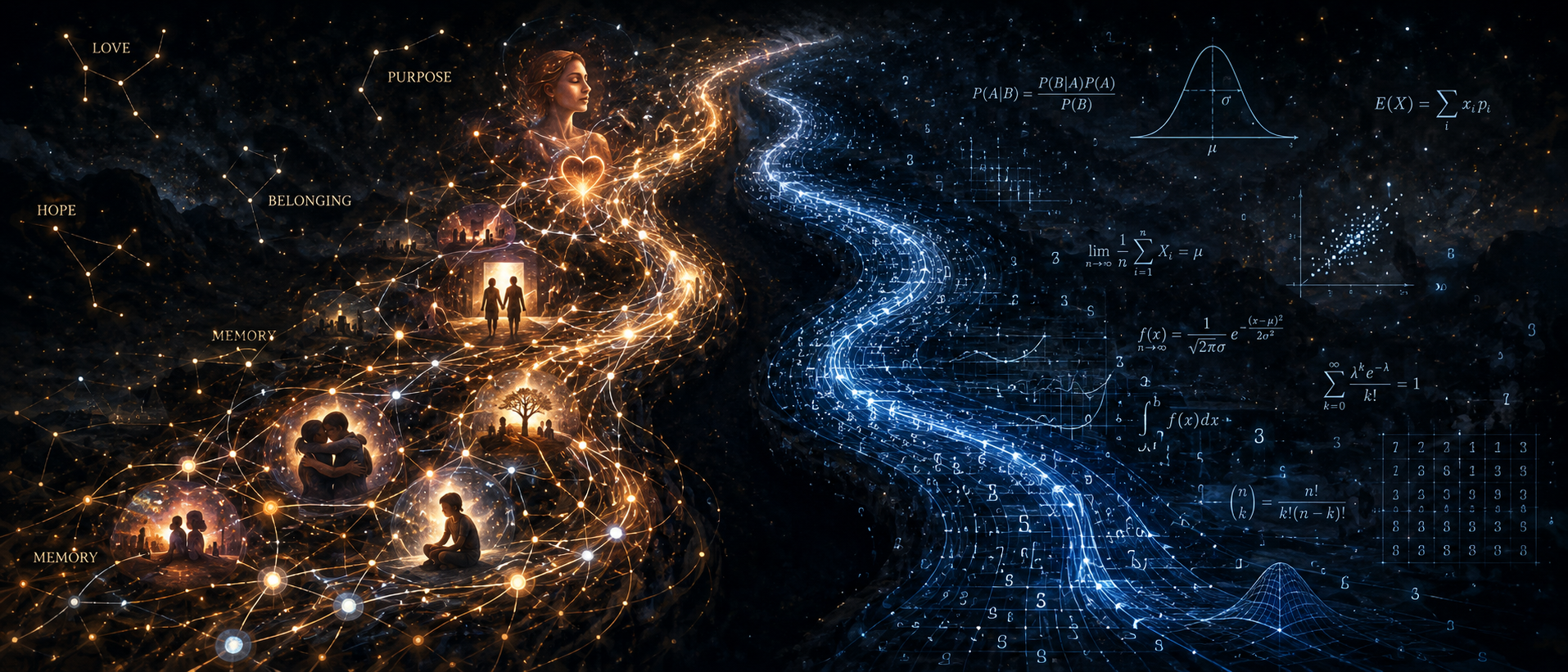
Why Coincidences Feel Meaningful — And the Mathematics That Explains Them Away
You think of someone you haven’t spoken to in years. Your phone rings. It’s them. The feeling is electric — impossible, loaded, significant. But is it? The mathematics of coincidence says no. The psychology says the feeling doesn’t care. Here’s why both are telling the truth at the same time. Read more
-
 7–11 minutes
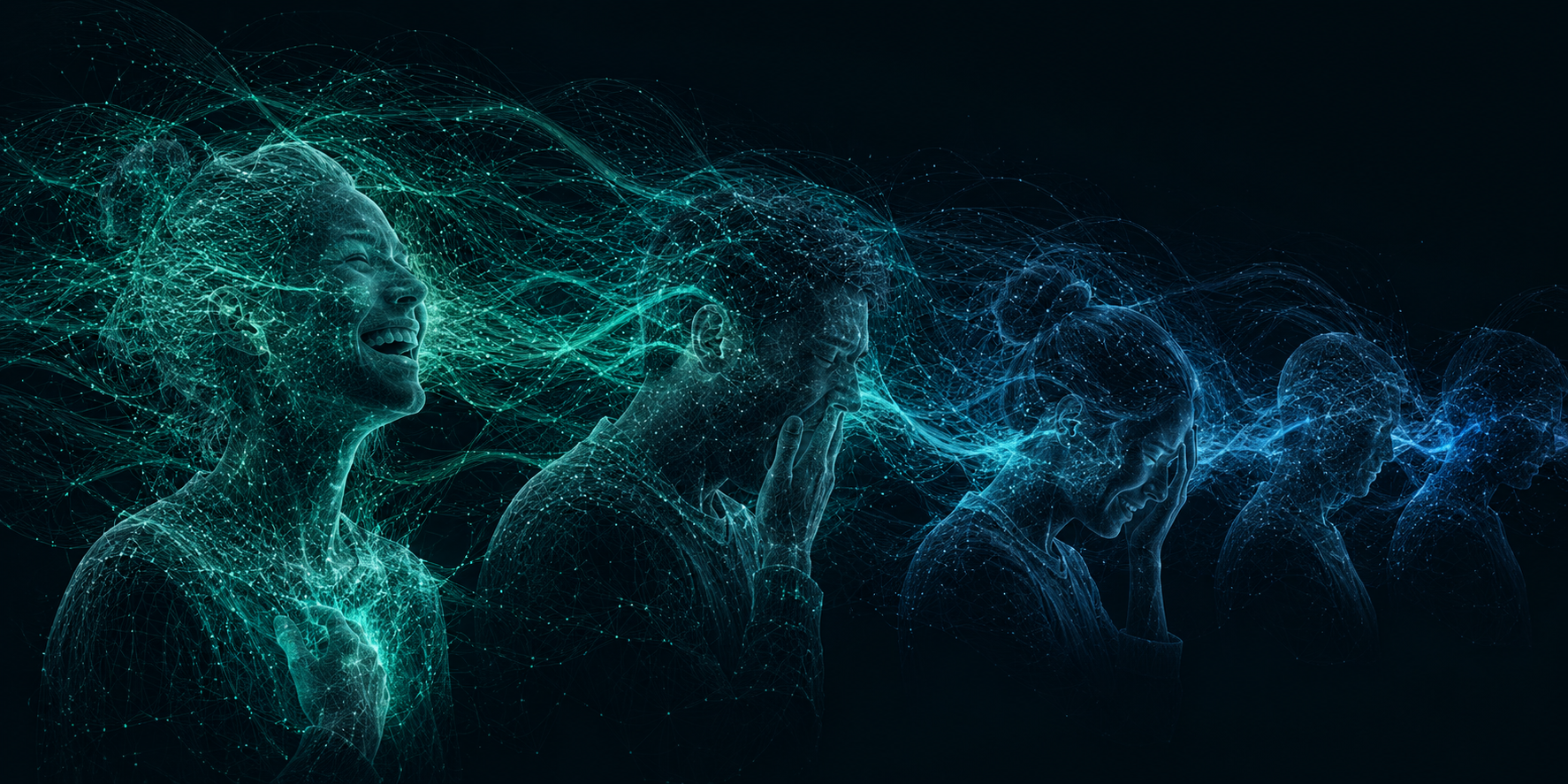
The Social Contagion Effect — Why Suicide, Laughter and Yawning All Spread the Same Way
Something strange happened the month Marilyn Monroe died. Suicide rates across the US climbed by 12 percent — not from grief, not from coincidence, but from a force so embedded in human neurology that it also explains why you yawn when others do, and why a stranger’s laughter pulls one from you before you’ve even… Read more
-
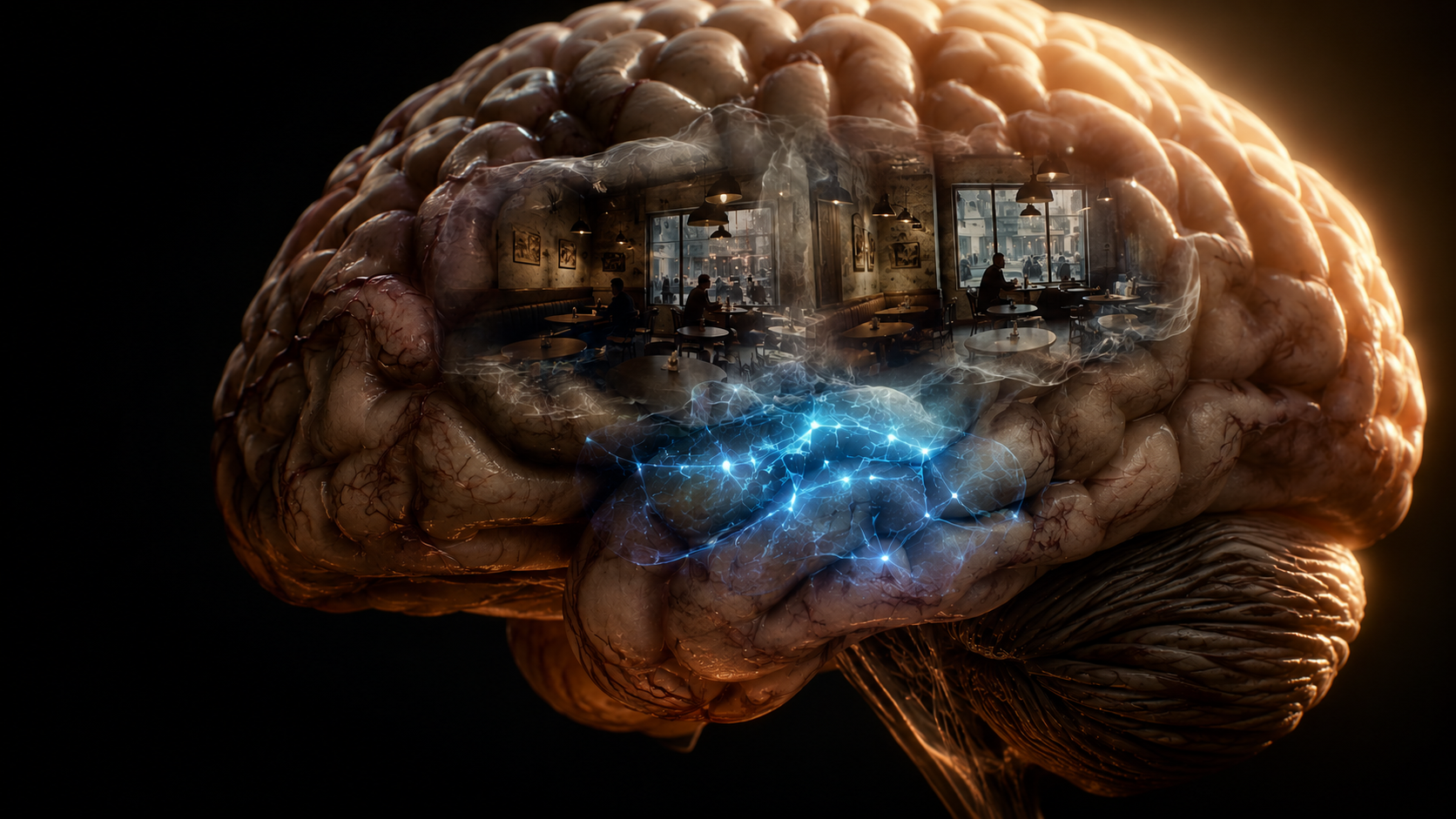 5–8 minutes
The Science of Déjà Vu: What’s Actually Happening in Your Brain
That eerie “I’ve been here before” feeling has a name — and a surprisingly rich scientific explanation. The science of déjà vu reveals a fascinating glitch in how your brain constructs and monitors memory. It’s not mystical, not random — it’s your mind catching itself mid-error. Here’s what’s actually happening inside your brain. Read more