
-
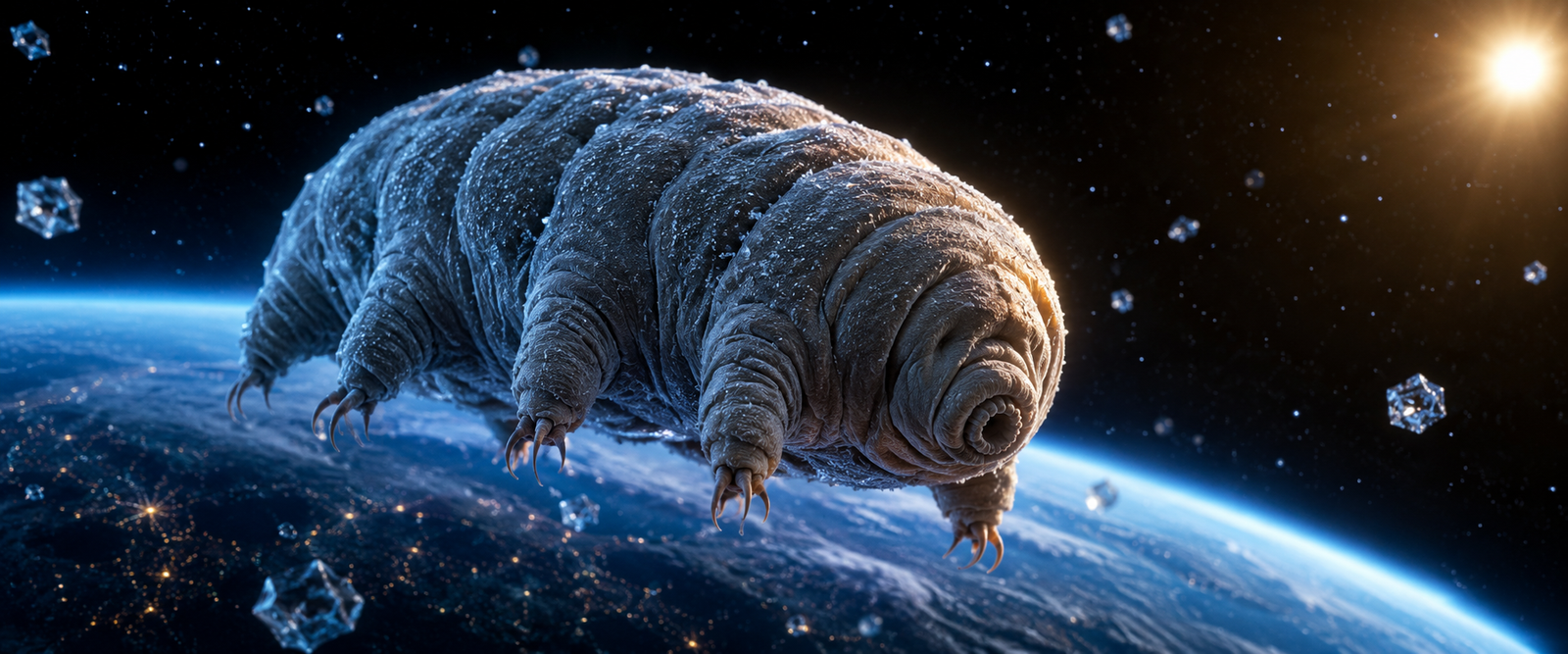
Tardigrades: The Animal That Can Survive Almost Anything
In 2007, scientists opened a satellite hatch and exposed thousands of microscopic animals directly to the raw vacuum of space. Ten days later, most of them simply woke up, and several went on to lay eggs that hatched normally. The reason is stranger than toughness — it’s closer to a pause button. Read more
-
 8–13 minutes
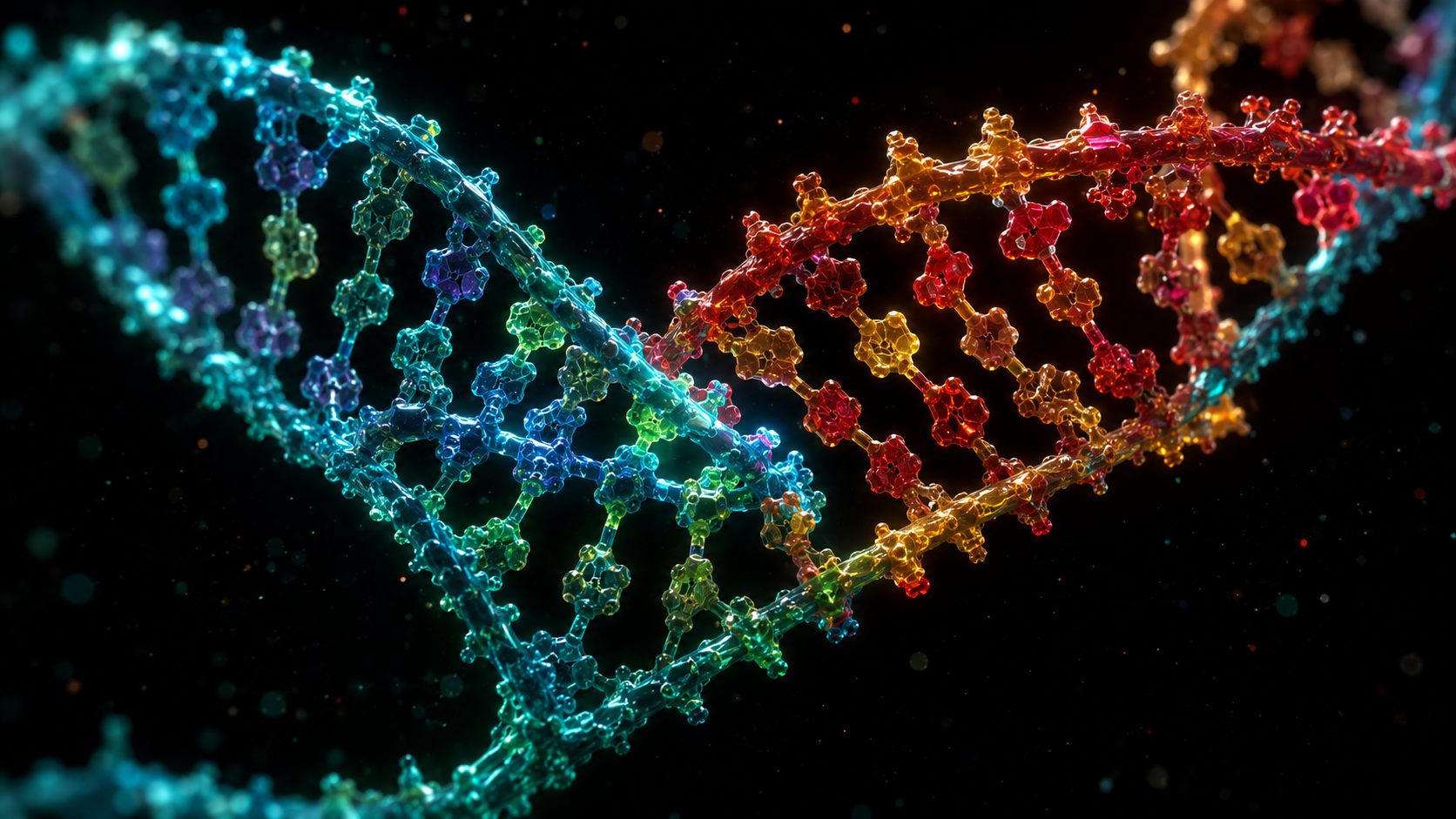
A Self-Replicating Molecule Was Created in a Lab — And It Changes Everything About Life’s Origin
Four billion years ago there was no life on Earth. Then there was. Something in the chemistry of the early planet crossed a threshold — and a new 2026 discovery in Cambridge may finally show us what that something was: a single RNA molecule that figured out how to copy itself, without any biological help… Read more
-
 7–10 minutes
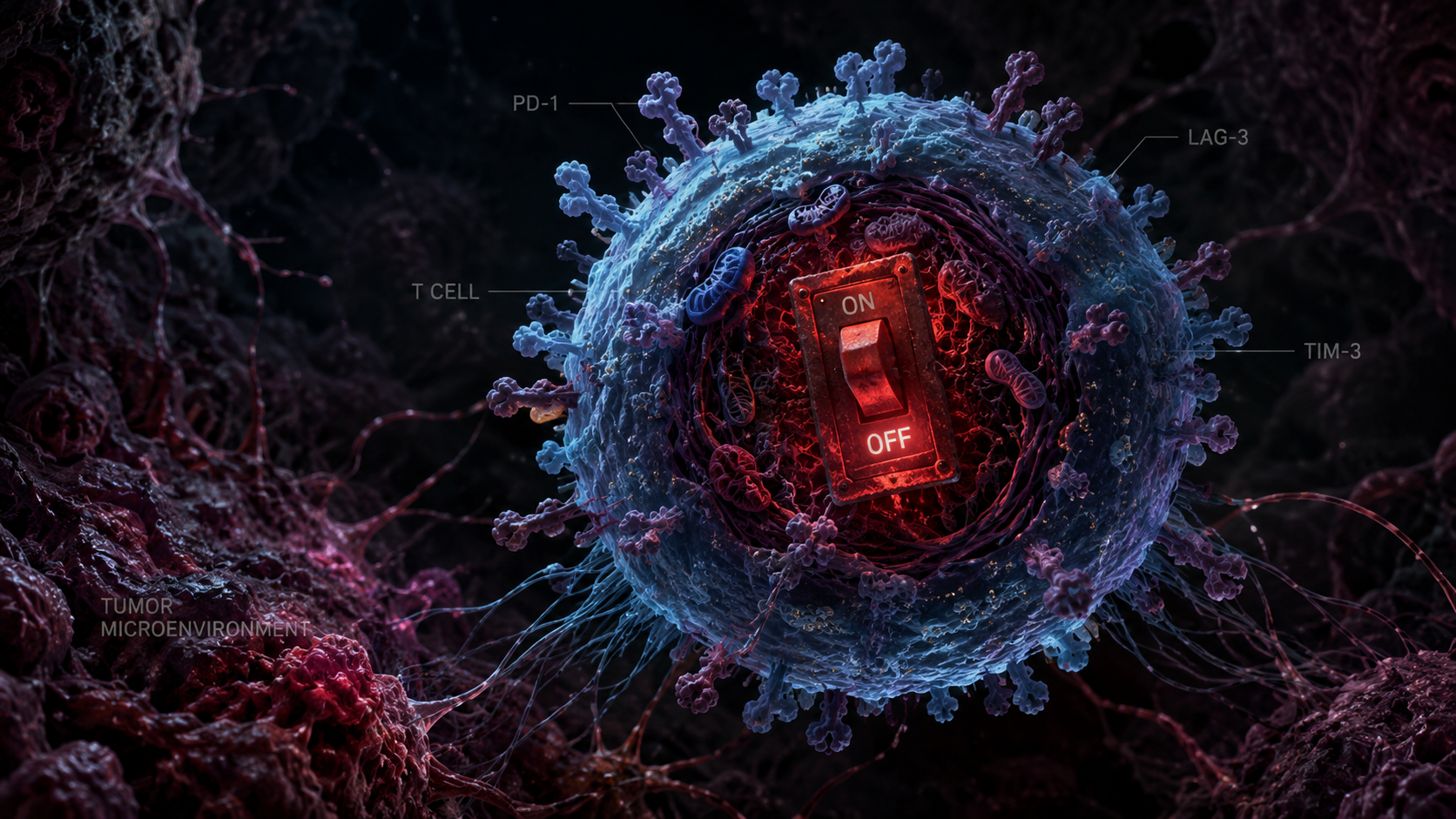
The Hidden Immune Brake That Lets Cancer Survive Inside You
Every day, your immune system destroys hundreds of abnormal cells before they become cancer. But some tumors survive — not by hiding from your immune cells, but by flipping a molecular switch inside them. A 2026 Nature study just revealed the mechanism. And it changes everything about how we’ve been fighting back. Read more
-
 3–4 minutes
The Nocebo Effect — When Belief Alone Makes You Sick
Every year, patients in drug trials swallow a harmless sugar pill, get told about the real drug’s side effects — and develop those exact side effects. No active ingredient. Just words. This is the nocebo effect, and it quietly reshapes everything we think we know about how the body and belief interact. Read more
-

The Tree That Kills Everything Around It — The Manchineel’s Toxic Secret
On a postcard-perfect Caribbean beach, a radiologist bit into a sweet-smelling green fruit and felt her throat close within seconds. She had wandered into the shade of the deadliest tree on Earth — a beautiful, glossy-leafed killer that blisters skin with its rain and hides its secret in plain sight. Read more
-
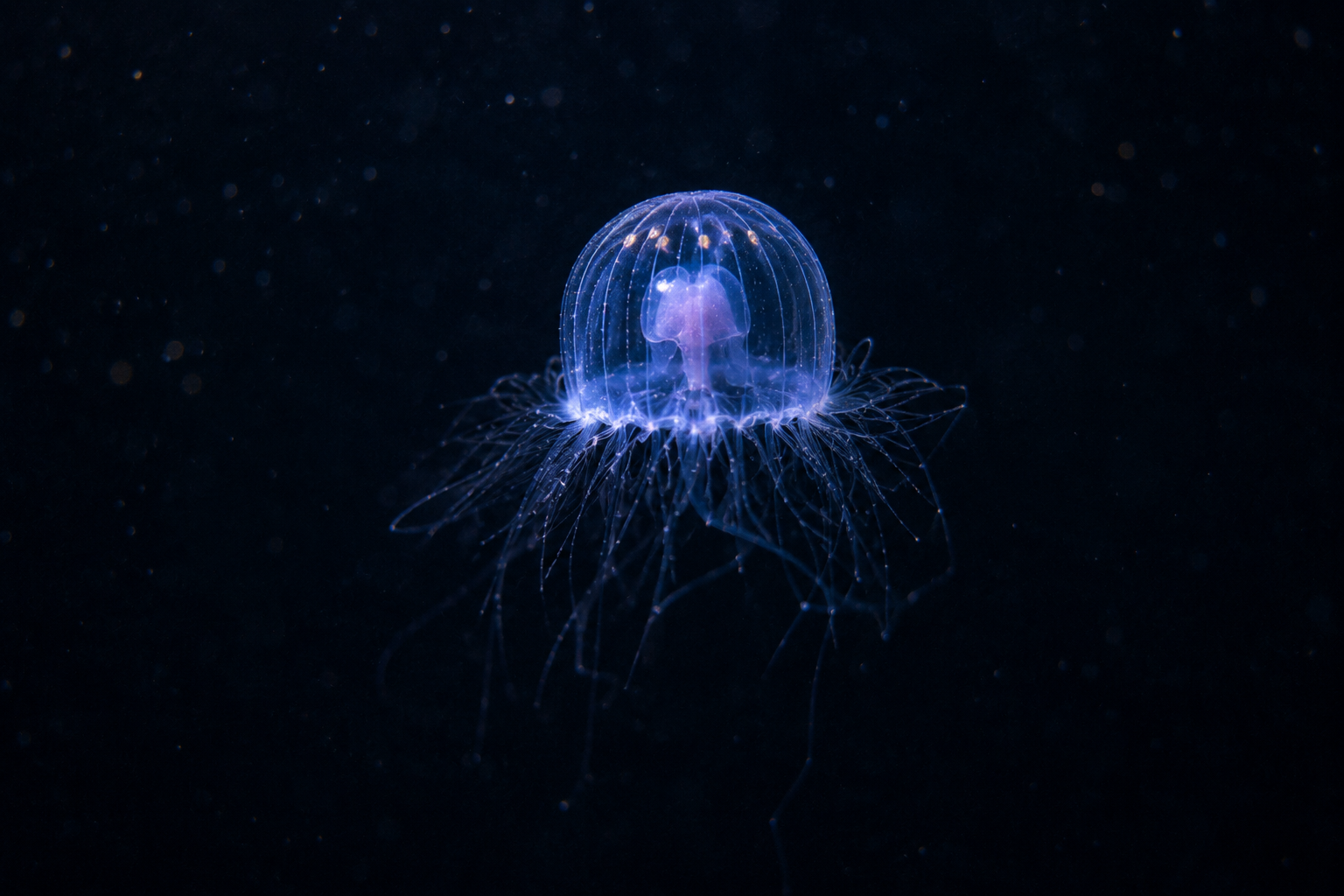
The Immortal Animal — Why the Turritopsis Jellyfish Refuses to Die
There is an animal alive right now that can reverse its own ageing — not slow it, not pause it, but run it completely backwards. Turritopsis dohrnii is smaller than a fingernail and potentially immortal. The cellular mechanics behind what it does are stranger, and far more significant, than almost anyone realises. Read more
-
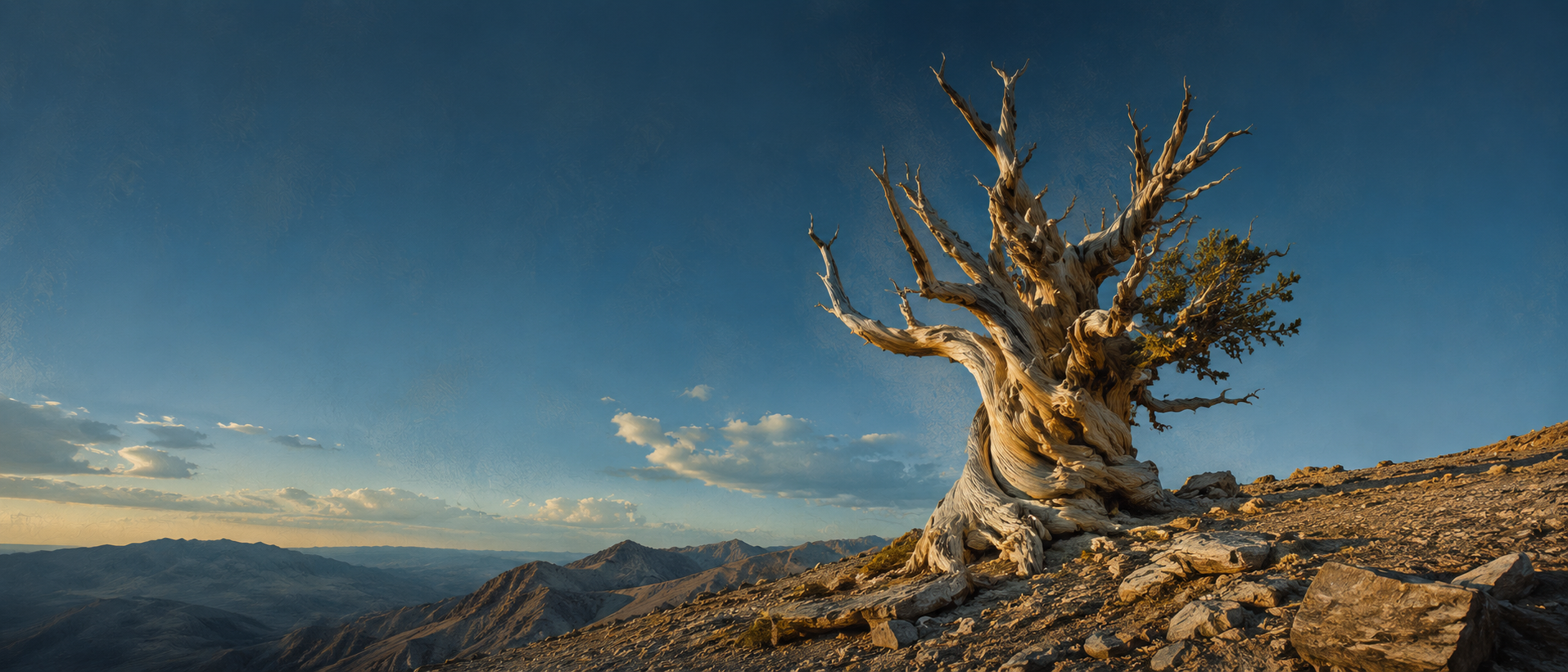
The Tree That Can Live 5,000 Years — And What It Remembers
There’s a tree alive right now that was already ancient when the pyramids were built. It has no memory — and yet locked inside its rings is a physical record of 5,000 years of Earth’s history. Methuselah doesn’t know what it’s witnessed. But the wood does. Read more
-
 7–11 minutes
Sleep Deprivation at 11 Days — What Happens to a Human Body Pushed to the Absolute Limit
In 1964, a seventeen-year-old named Randy Gardner stayed awake for 264 hours — eleven straight days. What happened to his body and mind along the way is one of the most disturbing demonstrations in science of just how fragile human consciousness really is. Here’s the full story, stage by stage. Read more
-
 7–11 minutes
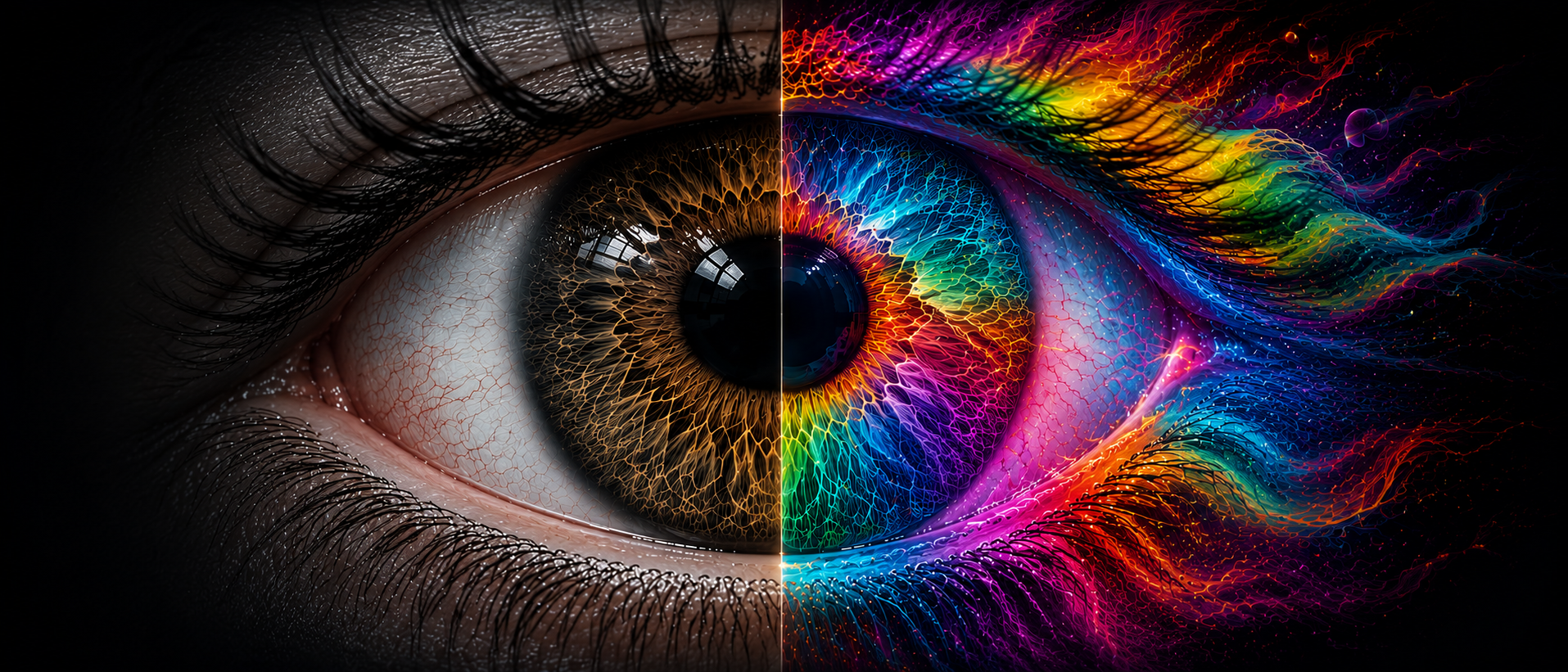
Tetrachromacy Explained: The Woman Who Sees 99 Million More Colours Than You
Most people assume everyone sees the same world. But a small number of women — tetrachromats — perceive up to 99 million colours the rest of us can’t see, detect, or even imagine. The science behind this extraordinary quirk of genetics is stranger, and more philosophically unsettling, than it first appears. Read more
-
 7–10 minutes
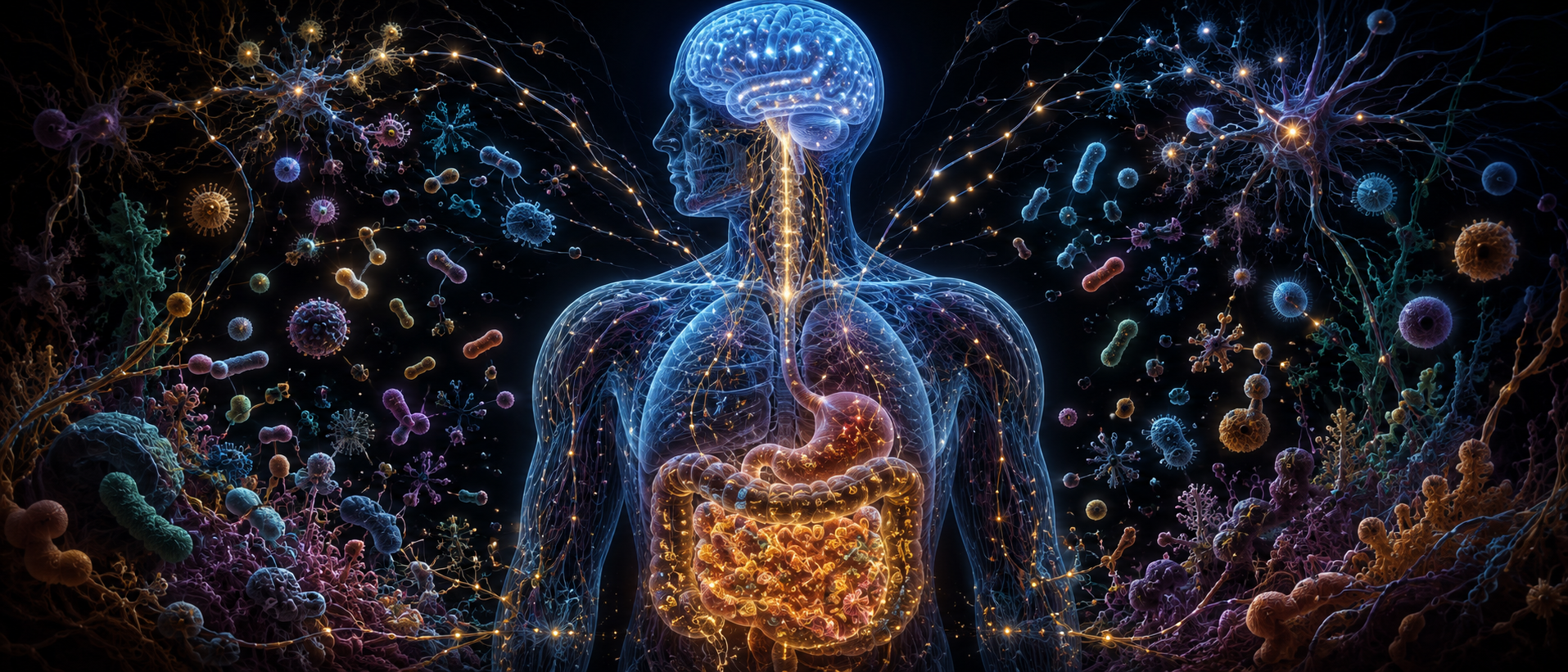
Gut Microbiome and Mood: Why Your Gut Might Be Running Your Brain
You assume your brain is in charge of how you feel. But a growing body of research suggests the 100 trillion microorganisms living in your gut are sending signals upward — signals that shape your anxiety, your stress tolerance, and your emotional baseline in ways the brain simply inherits. Read more