
-
 3–4 minutes
Why Walking Through a Door Makes You Forget
You walk into a room with total purpose, and the moment you cross the threshold, your reason for being there vanishes. This isn’t a memory failure — it’s the doorway effect, a real psychological quirk where your brain treats a doorway as a chapter break. Here’s the surprising science, and how to outsmart it. Read more
-
 3–4 minutes
Why We Can’t Remember Being Babies
You laughed, learned to walk, and recognised your mother’s face — none of it survives in memory. Nearly everyone forgets their first three years completely. Here’s the surprising neuroscience of infantile amnesia, why a growing brain quietly overwrites its earliest memories, and what a mouse study revealed about those lost years. Read more
-
 5–7 minutes
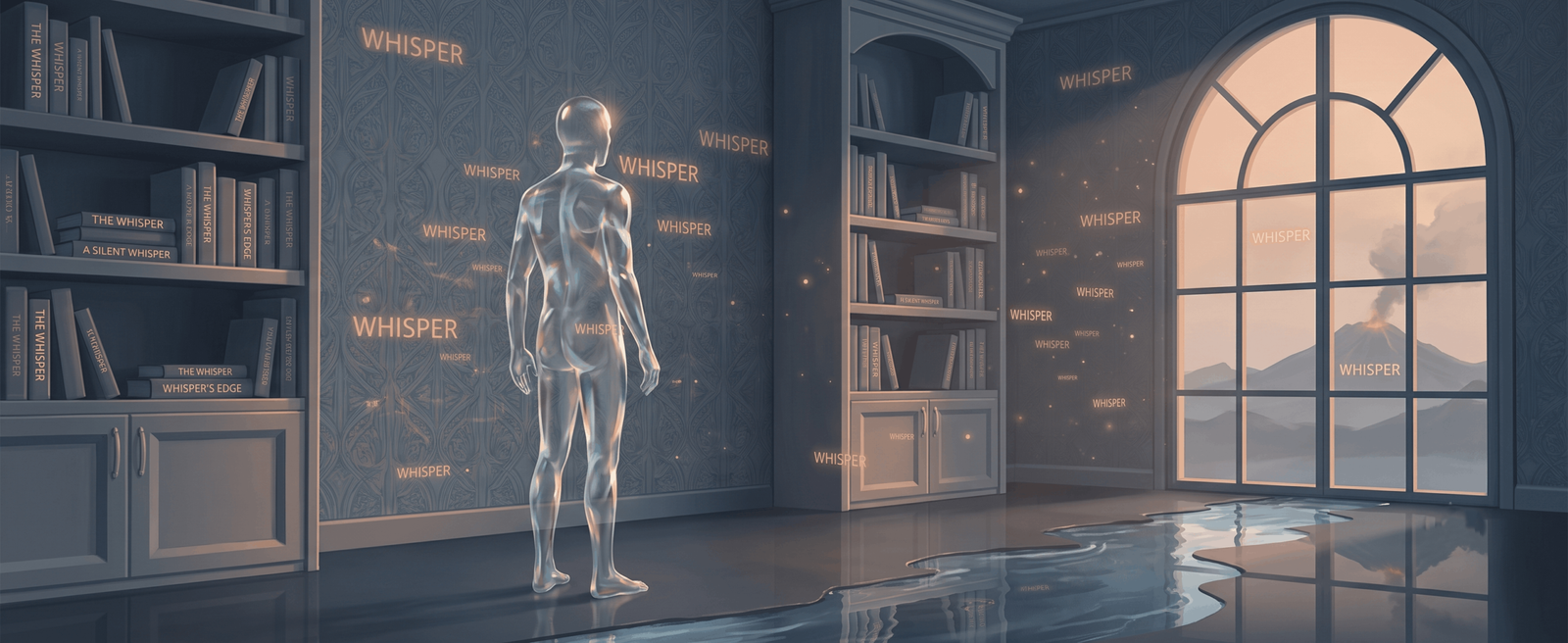
The Baader-Meinhof Phenomenon Explained
You learn a word once, then see it everywhere for a week. It feels like a sign. It’s actually your brain quietly rewiring its filters — and the real story behind it is stranger than the coincidence itself. Read more
-
 7–11 minutes
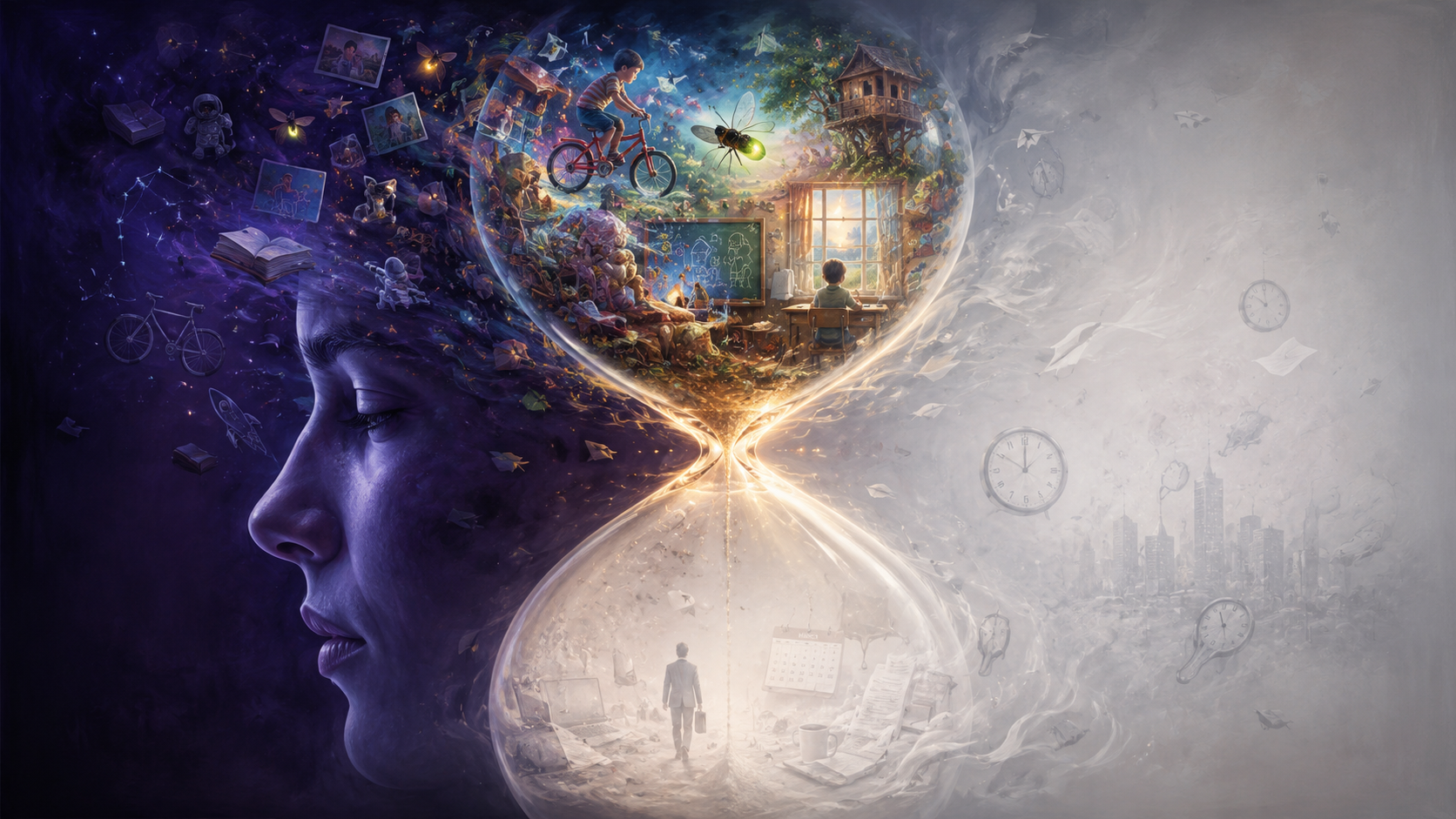
Why Time Feels Like It Speeds Up As You Age — And How to Slow It Down
Somewhere in your thirties, a year starts feeling like a month. Scientists now know exactly why — and it has less to do with getting older and more to do with what your brain decides is worth remembering. The answer is both unsettling and strangely hopeful. Read more
-
 5–8 minutes
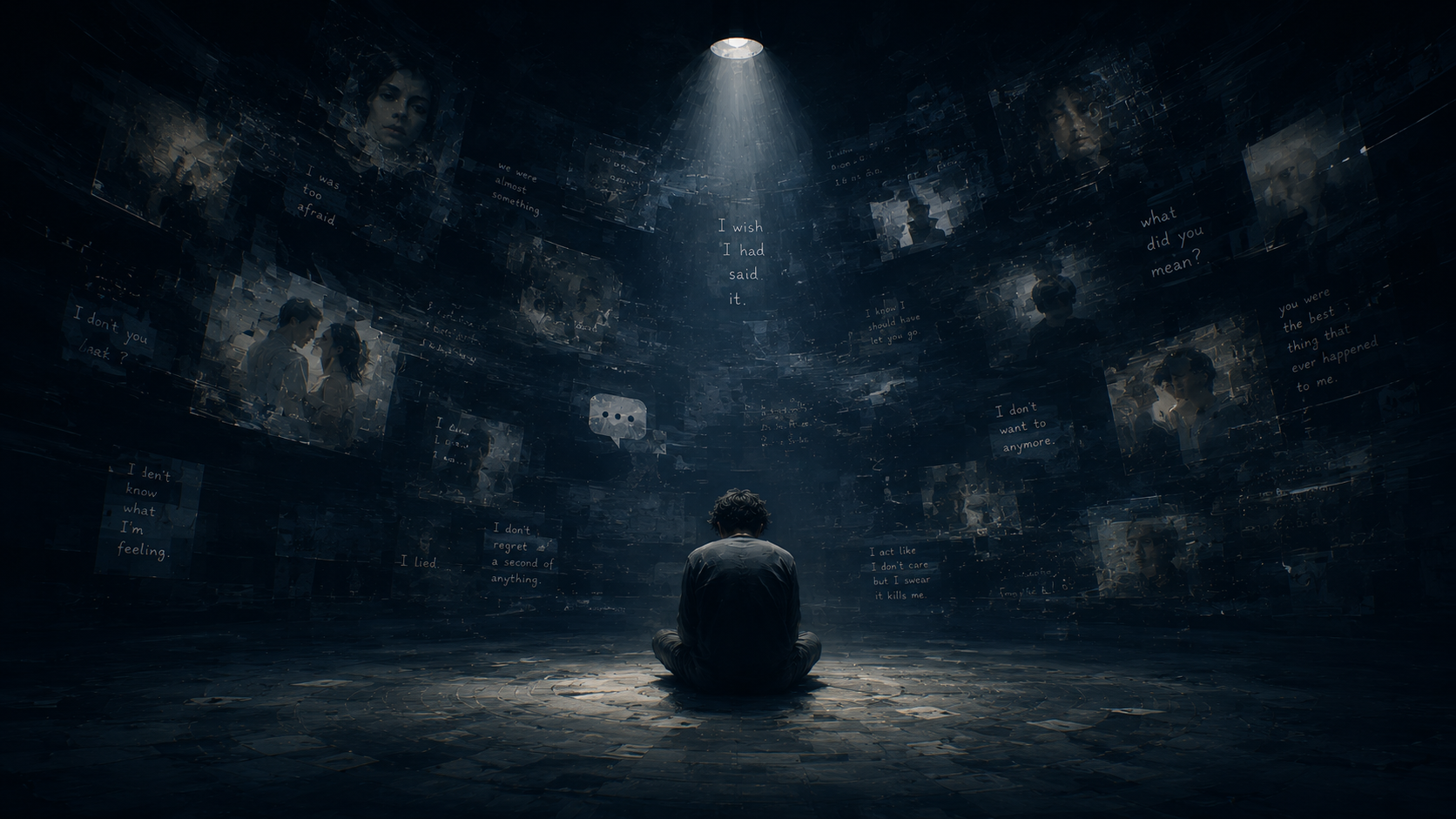
Why Your Brain Replays Rejection Like a Broken Record
You got rejected weeks ago. You’ve moved on — or so you think. Then it’s 2am and your brain is replaying the whole thing in perfect detail, frame by frame, like it just happened. That’s not weakness. That’s your brain running ancient survival software it was never designed to switch off. Read more
-
 5–8 minutes
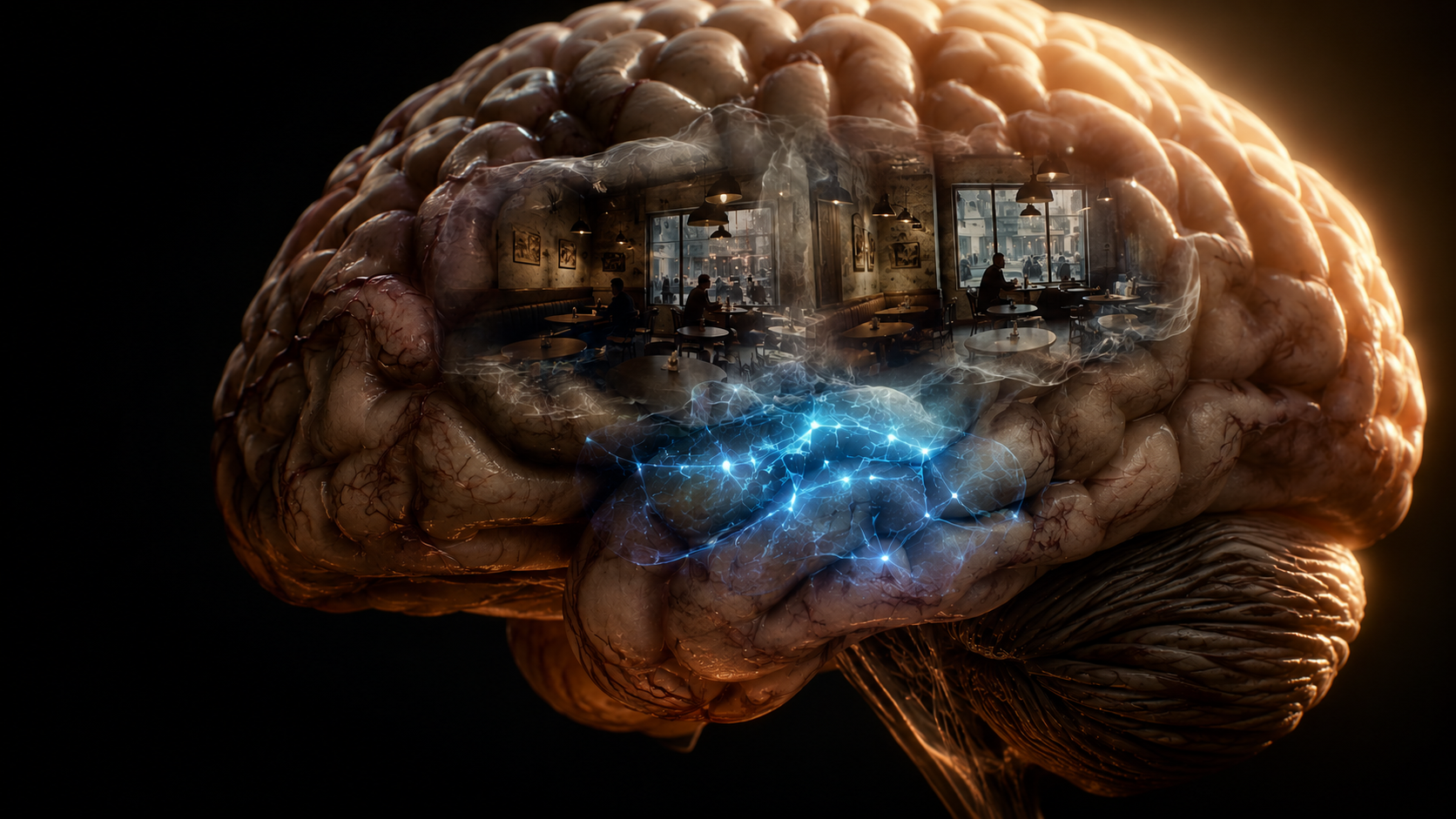
The Science of Déjà Vu: What’s Actually Happening in Your Brain
That eerie “I’ve been here before” feeling has a name — and a surprisingly rich scientific explanation. The science of déjà vu reveals a fascinating glitch in how your brain constructs and monitors memory. It’s not mystical, not random — it’s your mind catching itself mid-error. Here’s what’s actually happening inside your brain. Read more
-
 5–8 minutes
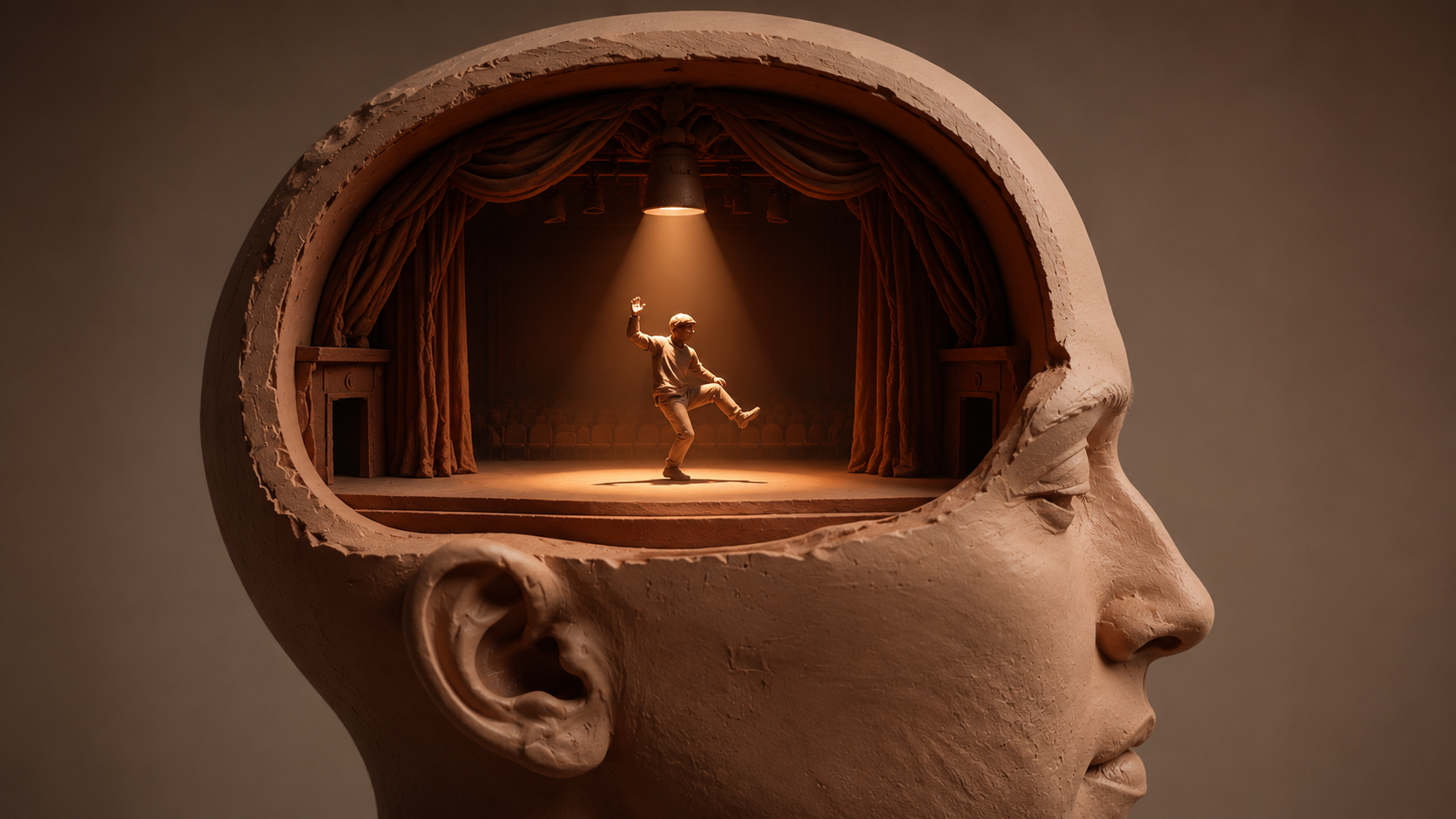
Why You Remember Embarrassing Moments Forever
Your brain isn’t broken — it’s ancient. Every embarrassing moment it replays at 2 a.m. was filed away by an amygdala that genuinely believed your social survival was at stake. The spotlight effect, flashbulb memory, and emotional encoding explain why cringe never fades. Here’s the fascinating science behind the replay — and how to finally… Read more
-
 6–9 minutes
10 Strange Things Your Brain Does That You Never Notice
Have you ever zoned out mid-conversation and then somehow caught the last word someone said — even though you weren’t listening? Or felt your heart sink the split second before you even knew something was wrong? That’s not a coincidence. That’s your brain pulling off something remarkable behind the curtain, without asking your permission. The… Read more
-
 14–21 minutes
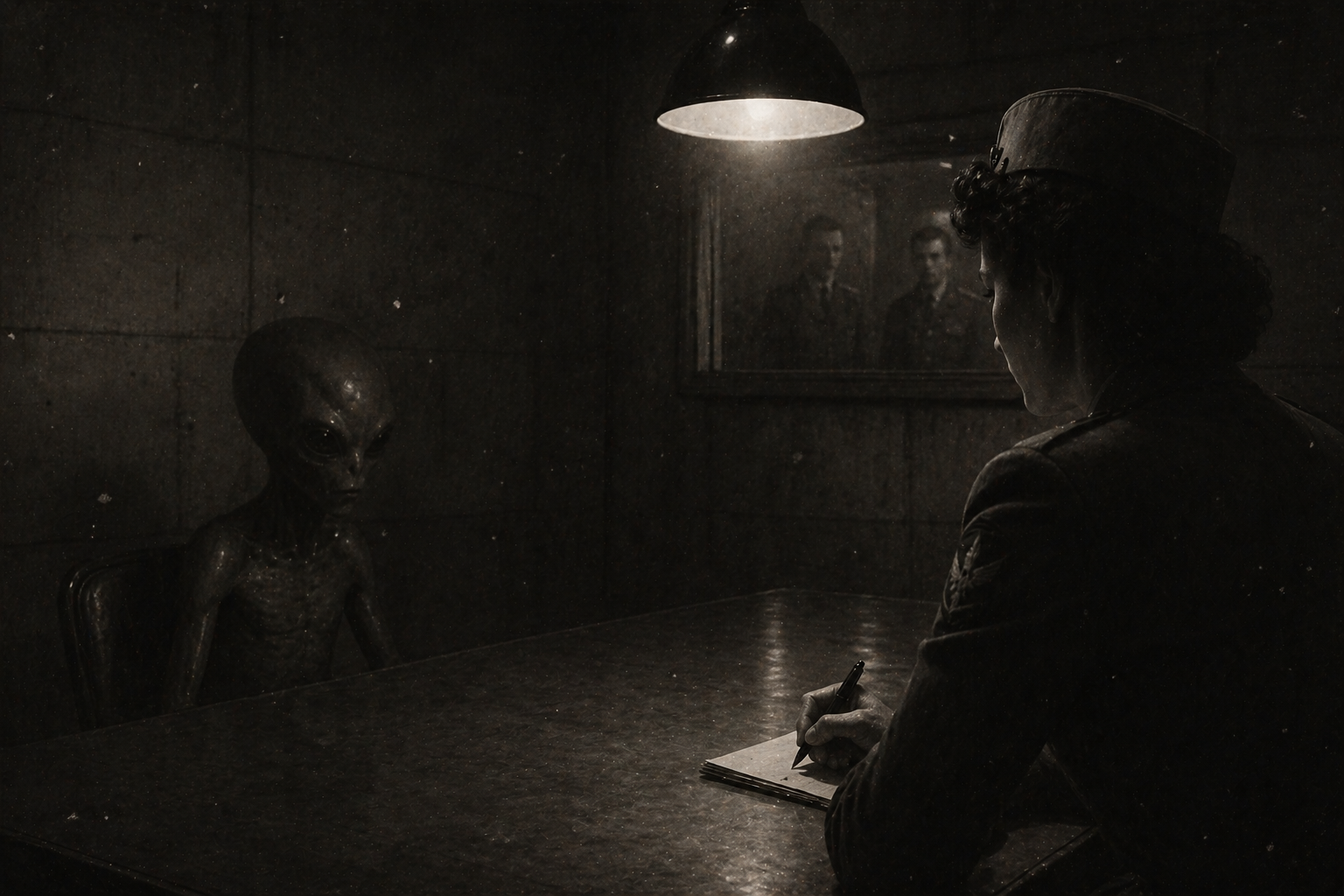
The Alien Interview: What an Alien Told a US Army Nurse About Death, the Universe, and Who You Really Are
In 1947, a US Army nurse sat across from an alien being and asked questions no human had ever asked. What Airl revealed across six weeks of secret telepathic sessions — about death, the soul, the origin of the universe, and why every human alive has no memory of who they truly are — is… Read more
-
 14–21 minutes
Why You Can’t Remember Your Dreams Clearly: Science Explained
You wake up holding a dream—vivid, emotional, almost real—only to watch it disappear within seconds. Why does the mind create entire worlds at night but fail to remember them by morning? Dive into the science behind why we forget dreams and uncover the hidden mechanics of your sleeping brain. Read more