
-
 3–4 minutes
Why You Cant Tickle Yourself
Run your fingers along your own ribs and… nothing. Yet another person’s touch sends you squirming. Why? Your brain predicts your every self-made move and quietly cancels the sensation before it lands. Here’s the strange neuroscience of ticklishness — and what it reveals about how your mind tells you apart from the world. Read more
-
 5–7 minutes
The Baader-Meinhof Phenomenon Explained
You learn a word once, then see it everywhere for a week. It feels like a sign. It’s actually your brain quietly rewiring its filters — and the real story behind it is stranger than the coincidence itself. Read more
-
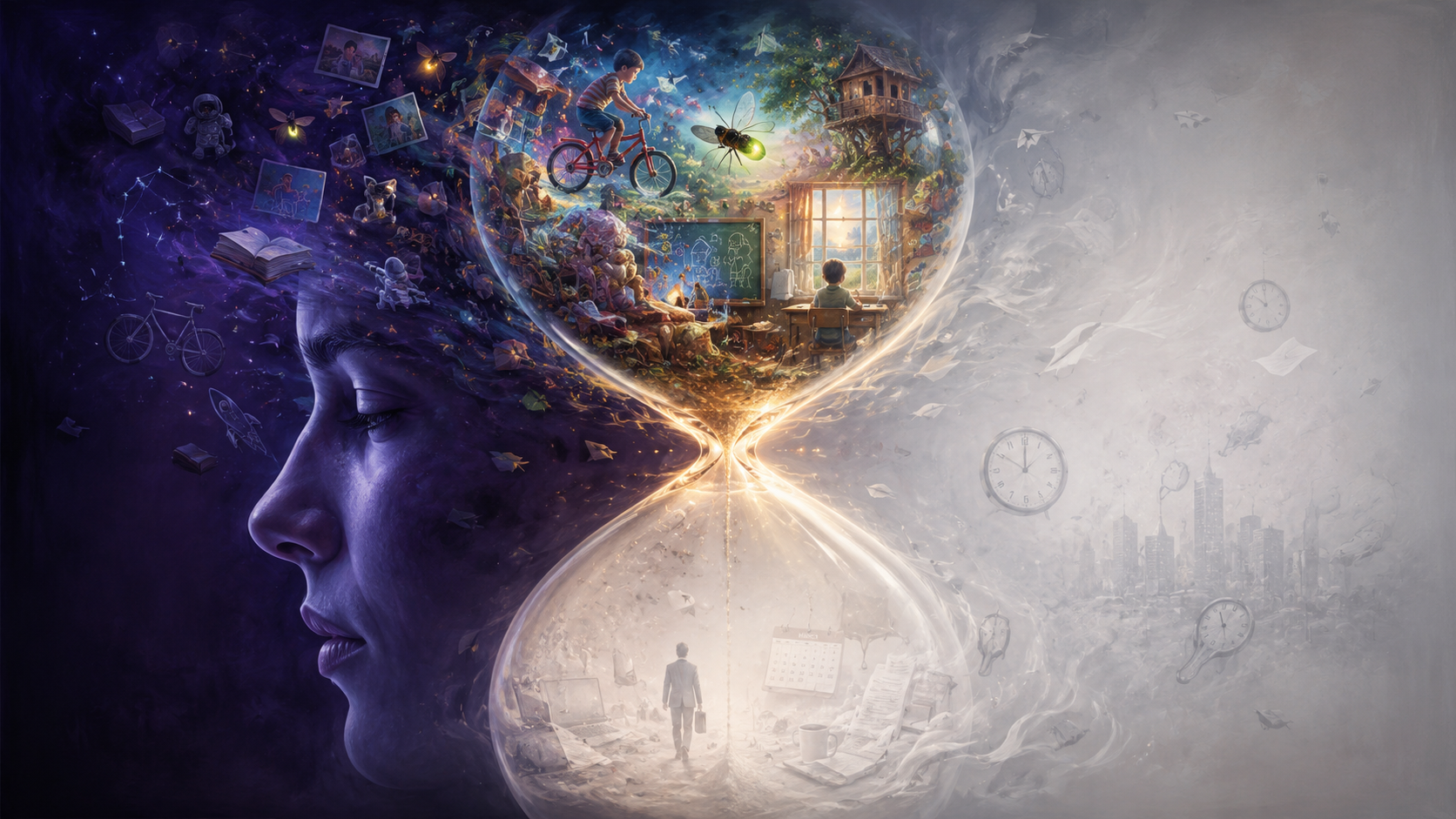 7–11 minutes
Why Time Feels Like It Speeds Up As You Age — And How to Slow It Down
Somewhere in your thirties, a year starts feeling like a month. Scientists now know exactly why — and it has less to do with getting older and more to do with what your brain decides is worth remembering. The answer is both unsettling and strangely hopeful. Read more
-
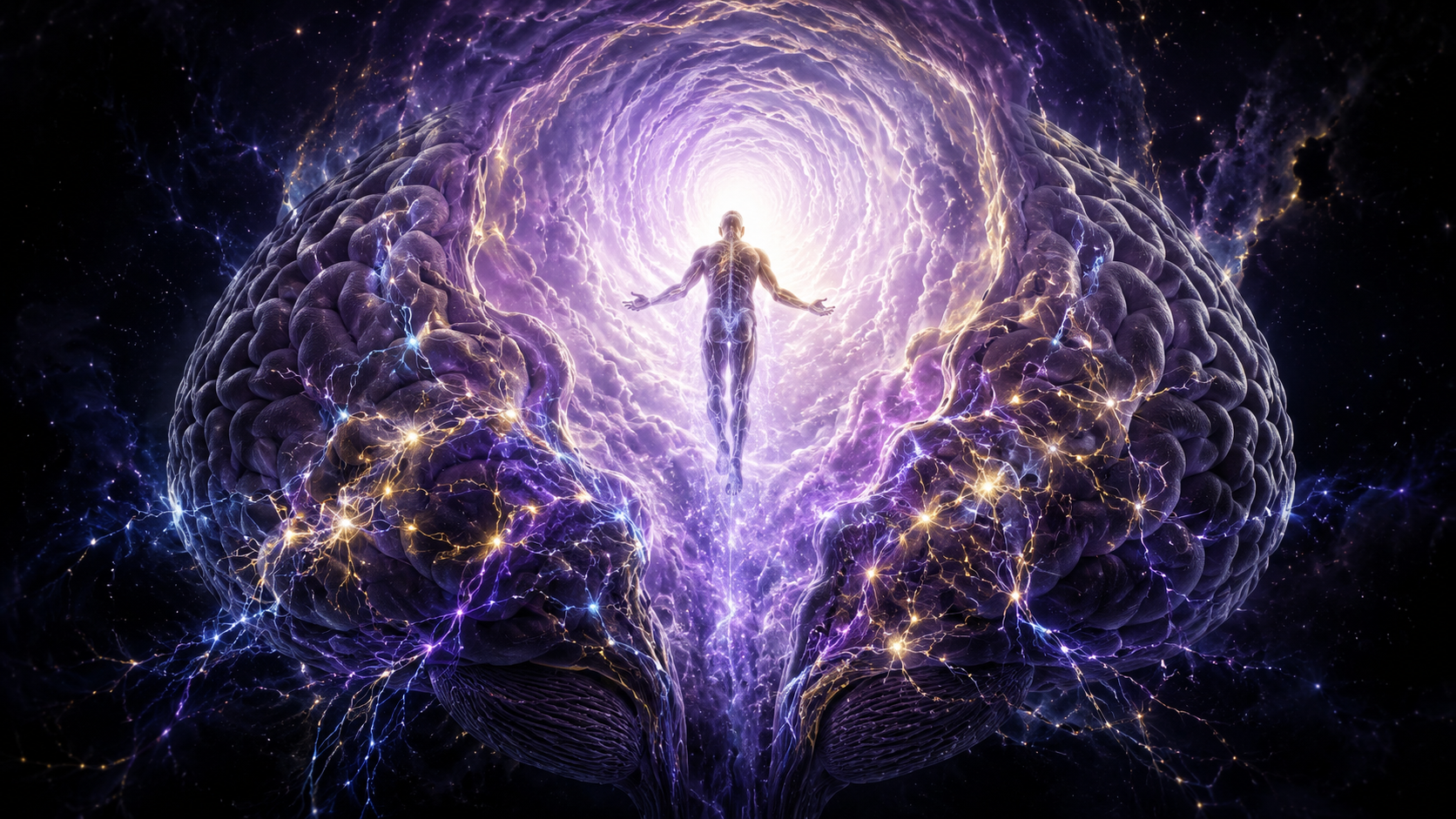 6–9 minutes
The Science of Near-Death Experiences — What Is the Brain Actually Doing?
Somewhere between cardiac arrest and resuscitation, people see their own bodies from the ceiling, travel through tunnels of light, and meet the dead. Neurologists have mapped the brain in those exact moments — and what they found is stranger than any supernatural explanation. The science of near-death experiences is only just beginning. Read more
-
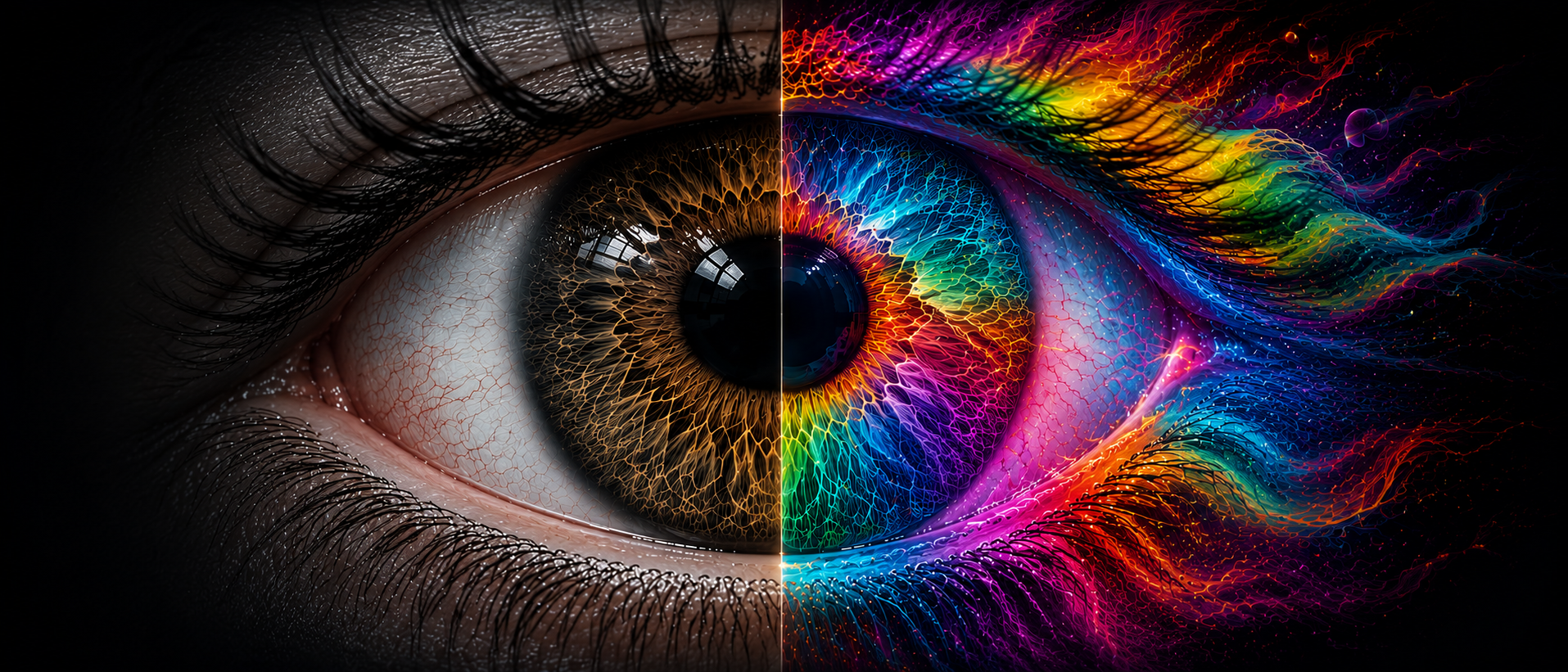 7–11 minutes
Tetrachromacy Explained: The Woman Who Sees 99 Million More Colours Than You
Most people assume everyone sees the same world. But a small number of women — tetrachromats — perceive up to 99 million colours the rest of us can’t see, detect, or even imagine. The science behind this extraordinary quirk of genetics is stranger, and more philosophically unsettling, than it first appears. Read more
-
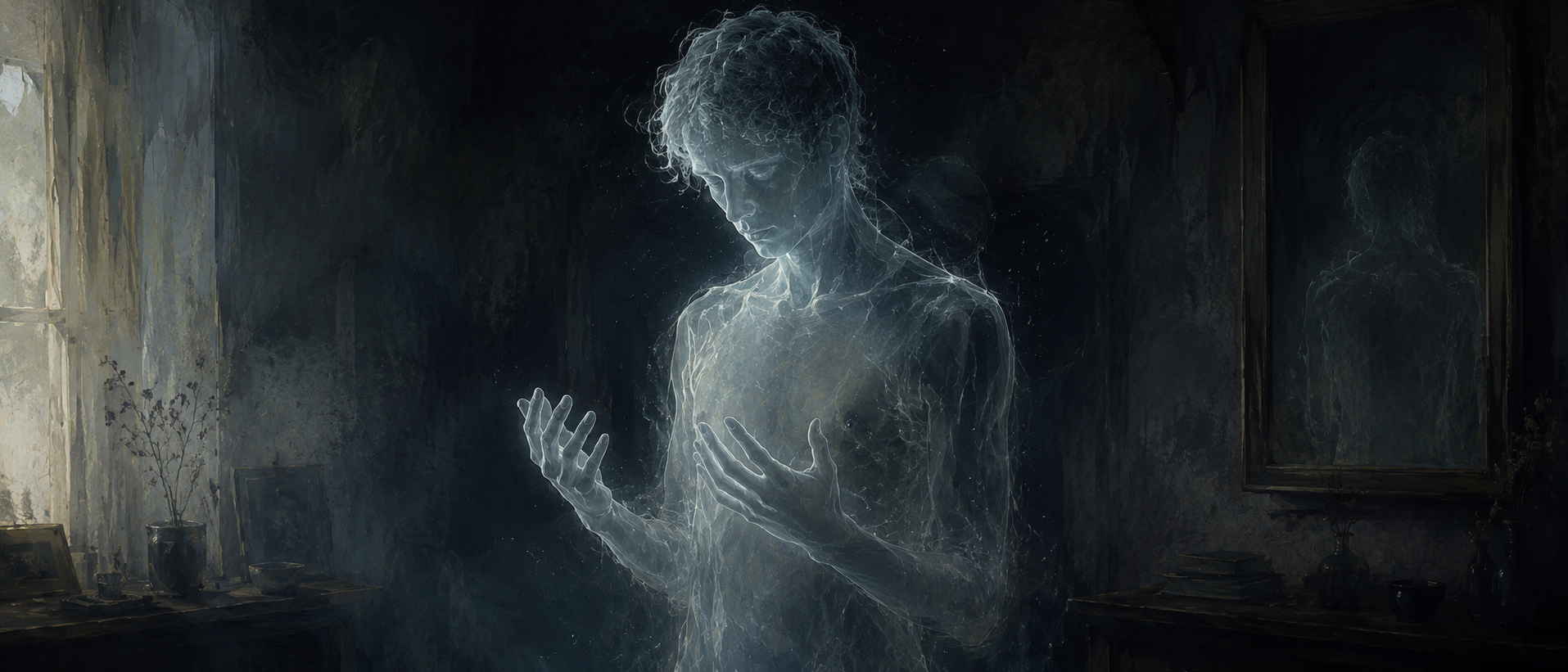 7–11 minutes
Cotard’s Syndrome: The Rare Condition Where People Believe They Are Already Dead
There is a condition in which a fully conscious, articulate person genuinely believes they are dead — not as a metaphor, not as a feeling, but as a fixed, unshakeable certainty. Cotard’s Syndrome is one of the strangest things a human brain can do. And what it reveals about consciousness is more unsettling than the… Read more
-
 7–10 minutes
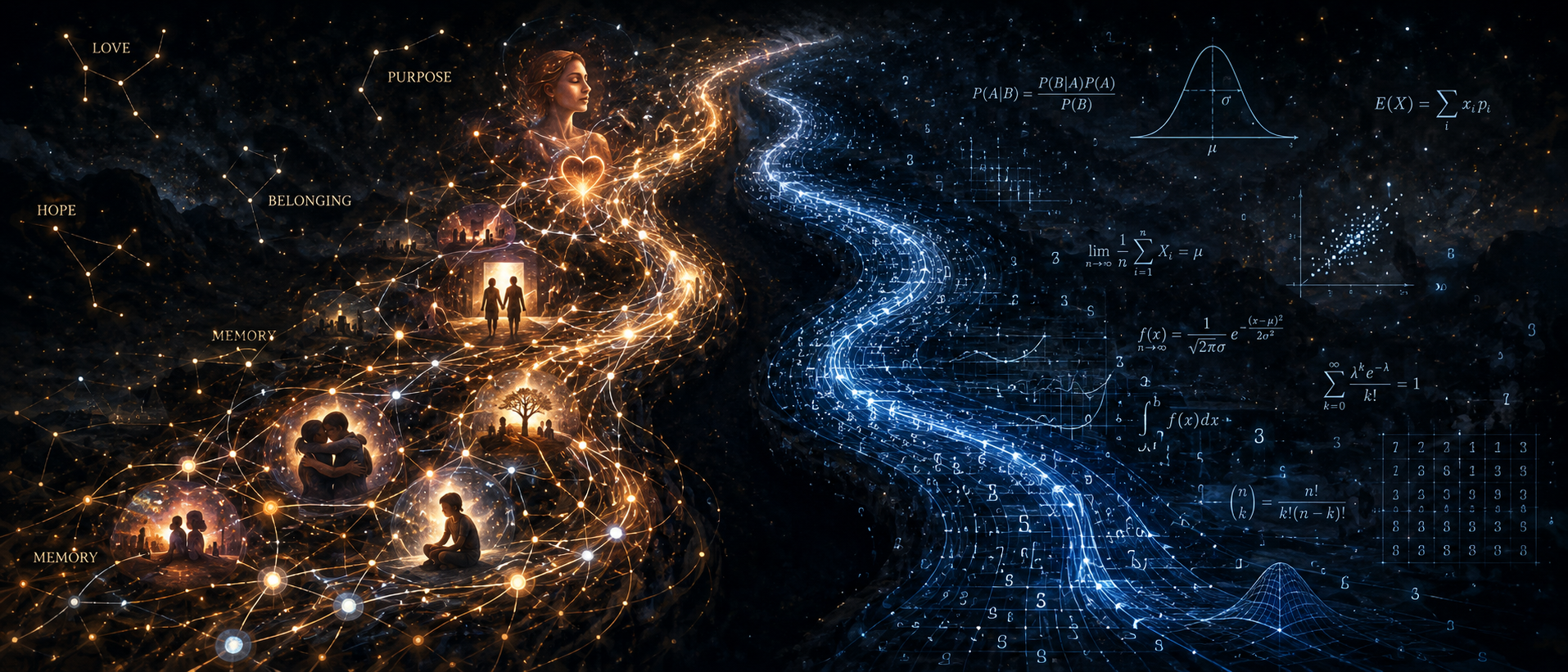
Why Coincidences Feel Meaningful — And the Mathematics That Explains Them Away
You think of someone you haven’t spoken to in years. Your phone rings. It’s them. The feeling is electric — impossible, loaded, significant. But is it? The mathematics of coincidence says no. The psychology says the feeling doesn’t care. Here’s why both are telling the truth at the same time. Read more
-
 5–8 minutes
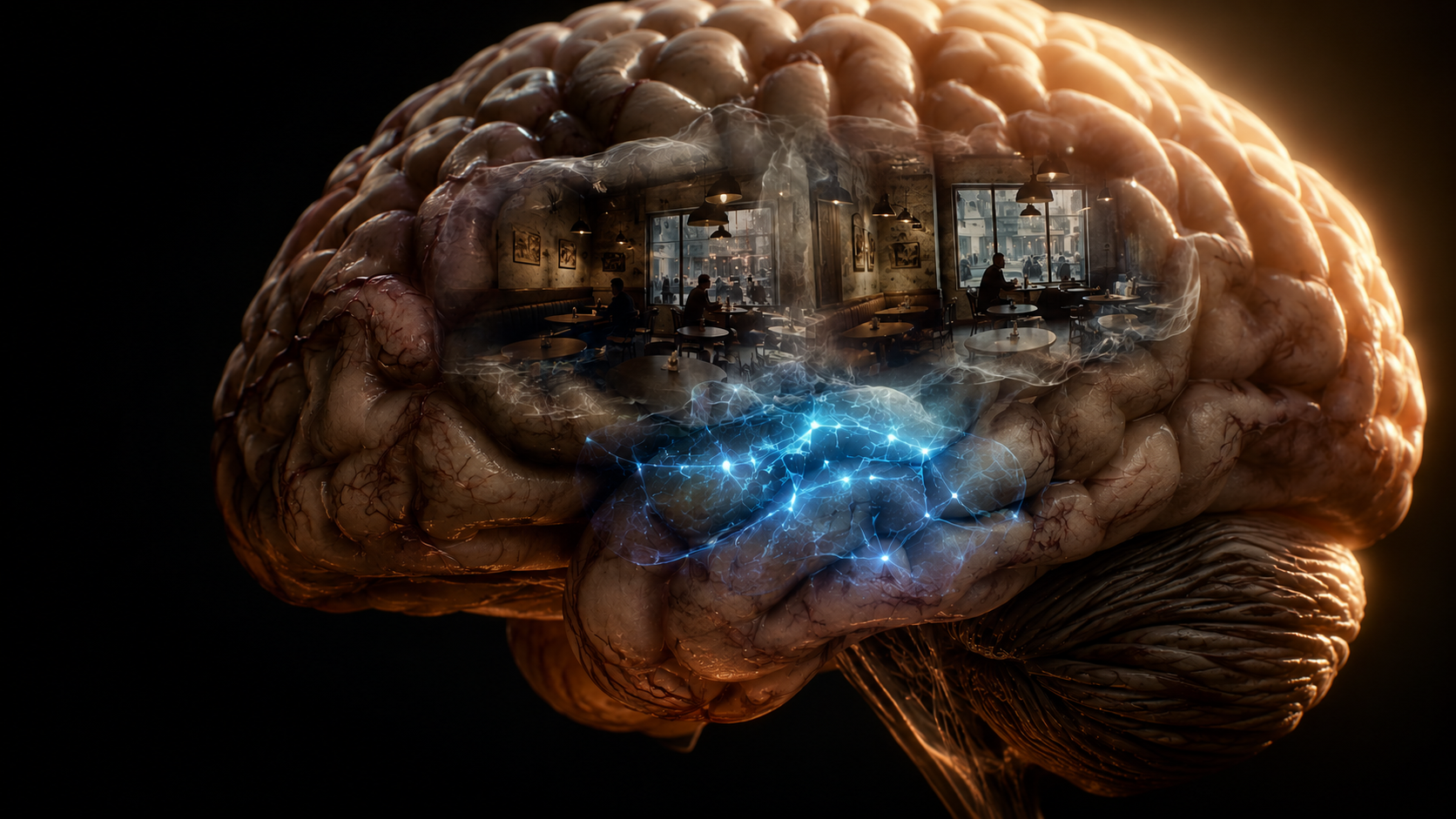
The Science of Déjà Vu: What’s Actually Happening in Your Brain
That eerie “I’ve been here before” feeling has a name — and a surprisingly rich scientific explanation. The science of déjà vu reveals a fascinating glitch in how your brain constructs and monitors memory. It’s not mystical, not random — it’s your mind catching itself mid-error. Here’s what’s actually happening inside your brain. Read more
-
 5–7 minutes
The Science Behind First Impressions
Your brain forms a complete judgment about a stranger in just 100 milliseconds — before a handshake, before a hello, before a single word. The science behind first impressions reveals how ancient survival instincts, body language, and unconscious bias shape every new connection you make. Understanding it won’t just fascinate you — it’ll change how… Read more
-
 6–9 minutes
10 Strange Things Your Brain Does That You Never Notice
Have you ever zoned out mid-conversation and then somehow caught the last word someone said — even though you weren’t listening? Or felt your heart sink the split second before you even knew something was wrong? That’s not a coincidence. That’s your brain pulling off something remarkable behind the curtain, without asking your permission. The… Read more