
-
 3–5 minutes
Why the Sun’s Atmosphere Is Hotter Than Its Surface (And Nobody Knows Why)
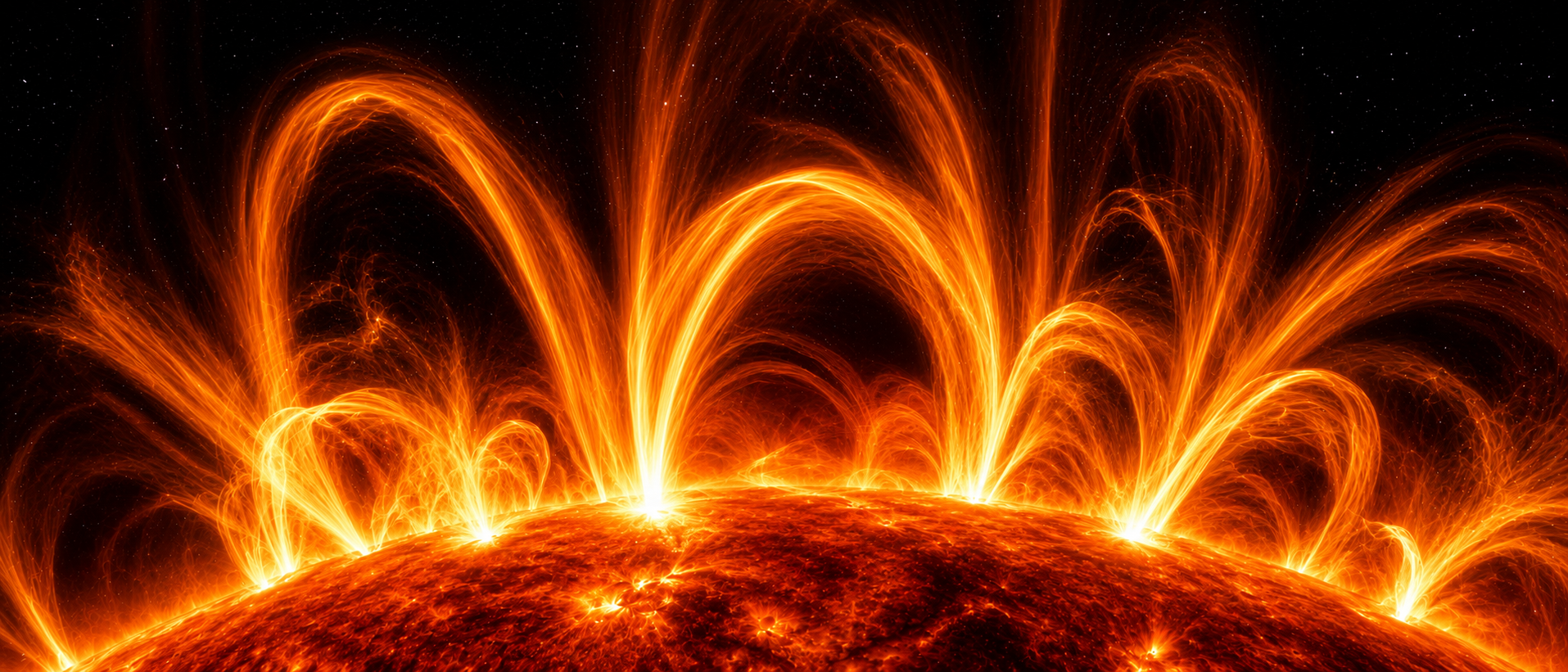
The Sun’s surface sits at 5,500°C. Step away into its outer atmosphere and the temperature doesn’t drop — it explodes to 2 million degrees. This breaks thermodynamics as we know it. Why the sun’s corona is hotter than its surface has stumped scientists for over 80 years. Here’s how close we are to an answer. Read more
-
 6–9 minutes
What Happened in the First Second After the Big Bang?
The Big Bang gets all the credit. But the first second after it is where everything was actually decided — the forces, the particles, the razor-thin margin that chose matter over nothingness. Everything that exists, including you, was determined in less time than a heartbeat. Here’s what really happened. Read more
-
 9–13 minutes
What really happens inside a lightning bolt (the physics is stranger than you think)
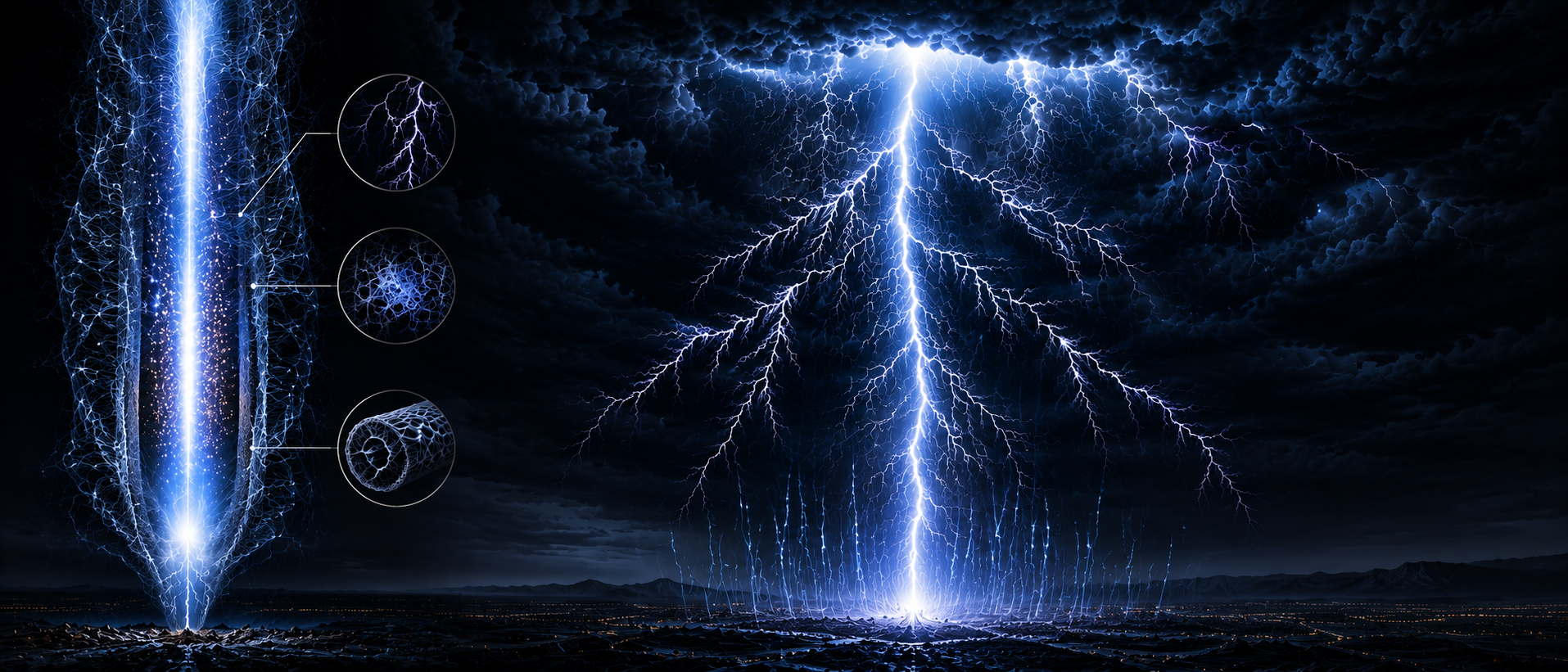
The lightning bolt you see travelling downward is actually moving upward. The channel is five times hotter than the sun’s surface. And the whole event is possibly triggered by particles from a dead star in another galaxy. What really happens inside a lightning bolt is nothing like the simple story you were taught. Read more
-
 7–11 minutes
Oumuamua Interstellar Object: The Visitor That Broke Every Rule We Had
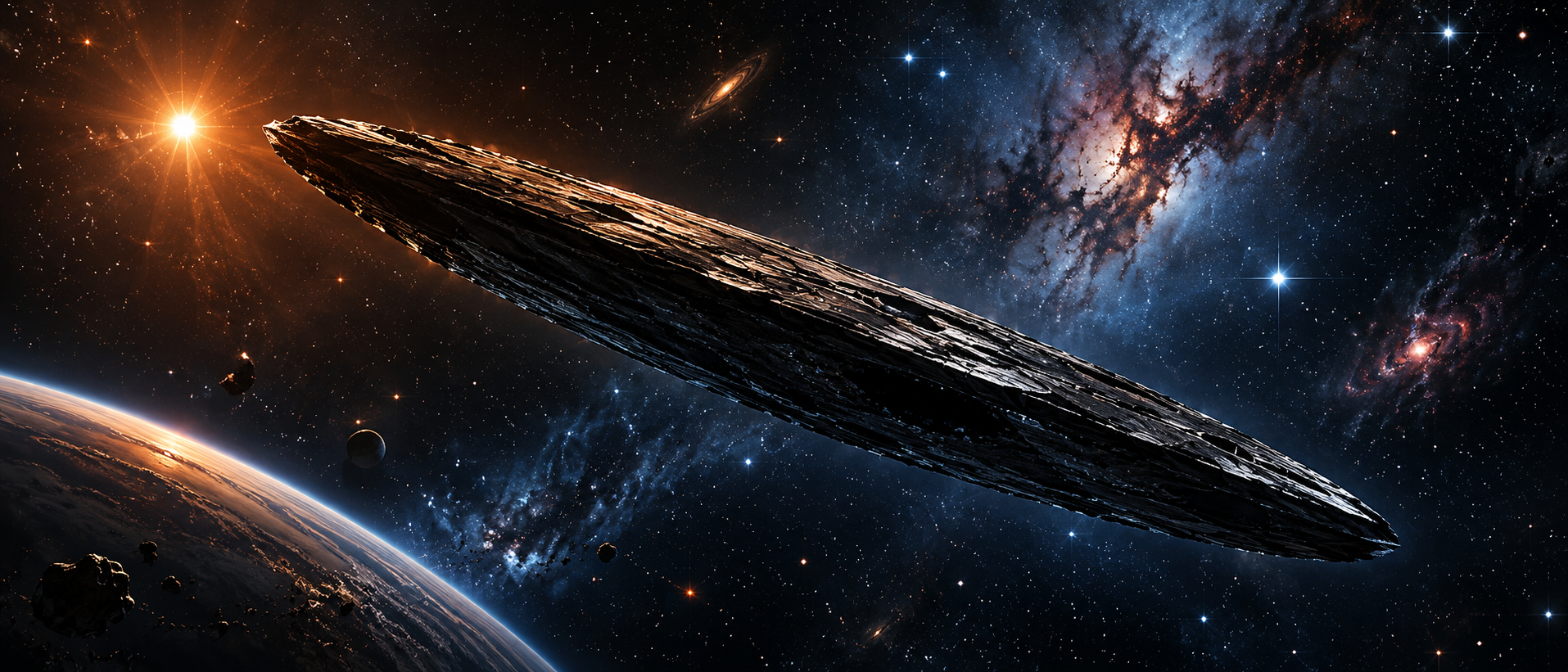
In 2017, astronomers caught something from outside our solar system mid-exit — tumbling, accelerating without explanation, shaped like nothing natural should be, and gone before anyone could get a proper look. The Oumuamua interstellar object still has no satisfying explanation. And the data, if anything, keeps getting stranger. Read more
-
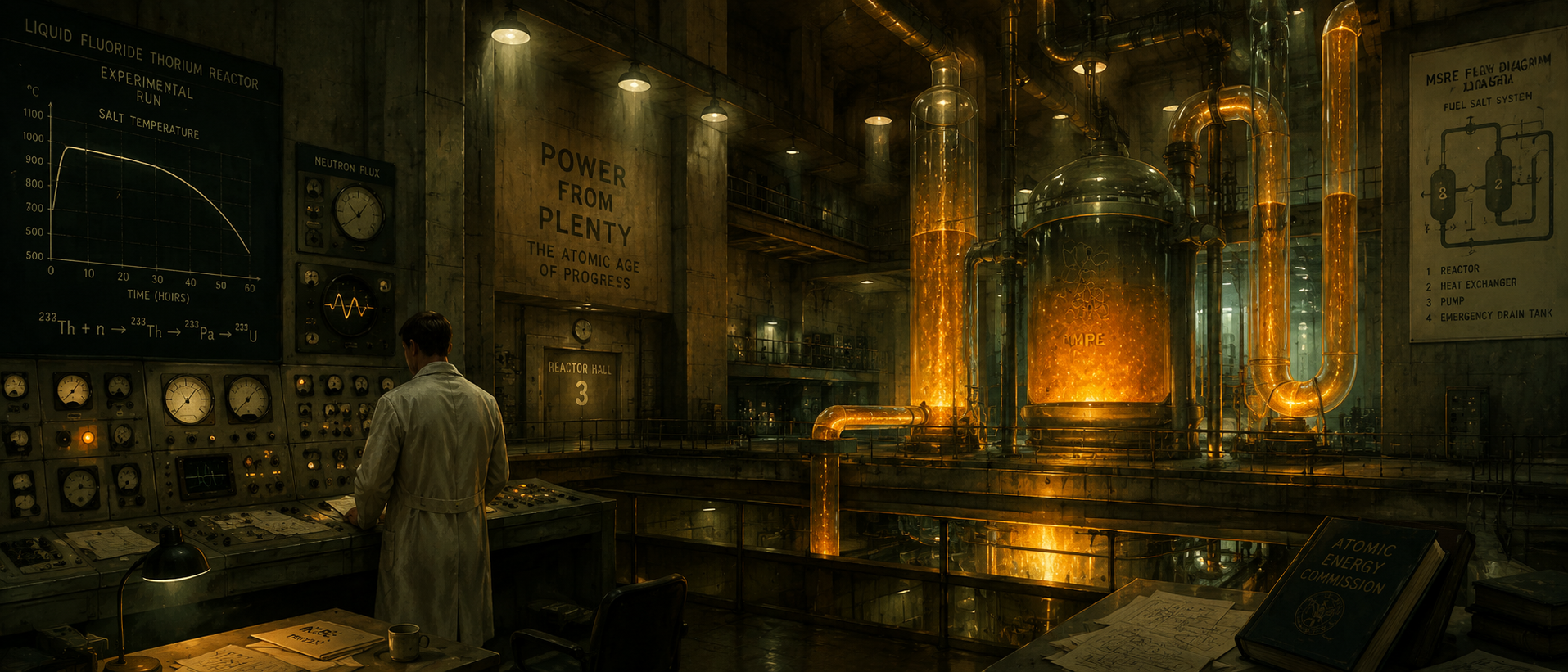 7–10 minutes
Thorium Reactor History: The Clean Nuclear Dream That Got Cancelled
In 1965, a nuclear reactor ran successfully in Tennessee that couldn’t melt down, produced a fraction of the waste of conventional reactors, and couldn’t make a nuclear bomb. It worked perfectly. Four years later, it was shut down — not because it failed, but because it wasn’t useful enough for building weapons. This is that… Read more
-
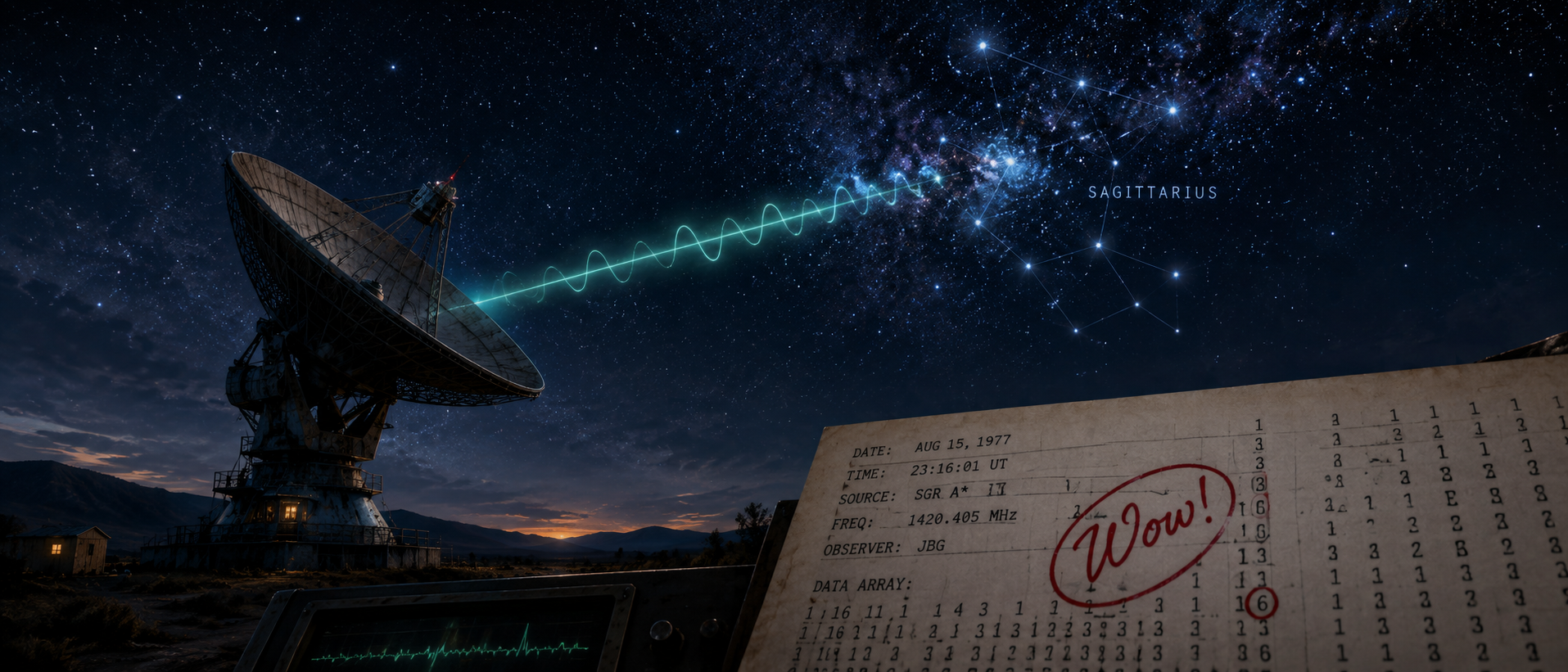 6–10 minutes
Wow Signal Explanation: The 72-Second Transmission That Still Has No Answer
On August 15, 1977, a radio telescope recorded a 72-second signal from deep space so precisely structured that the researcher who found it circled it and wrote one word: Wow! Nearly five decades later, no one has explained it. Not convincingly. Not completely. The signal came once — and the silence since has been deafening. Read more
-
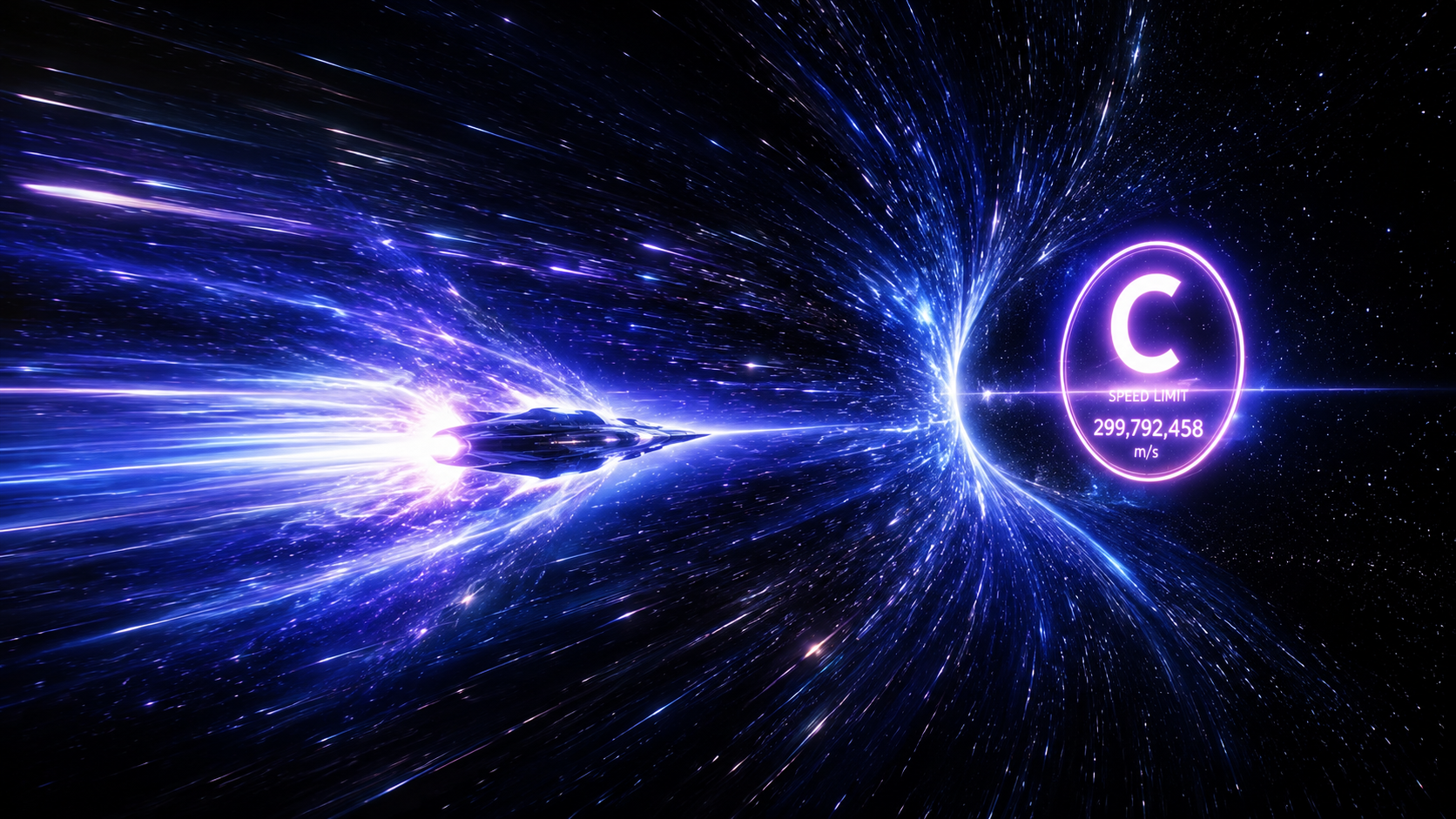 8–11 minutes
Why Nothing Can Travel Faster Than Light — And What Happens If You Try
The speed of light isn’t an arbitrary cosmic speed limit. It’s a consequence of how space and time are geometrically woven together — and the closer you push toward it, the stranger reality becomes. Time slows. Mass grows toward infinity. And the universe reveals a structure far odder than any sci-fi writer imagined. Read more
-
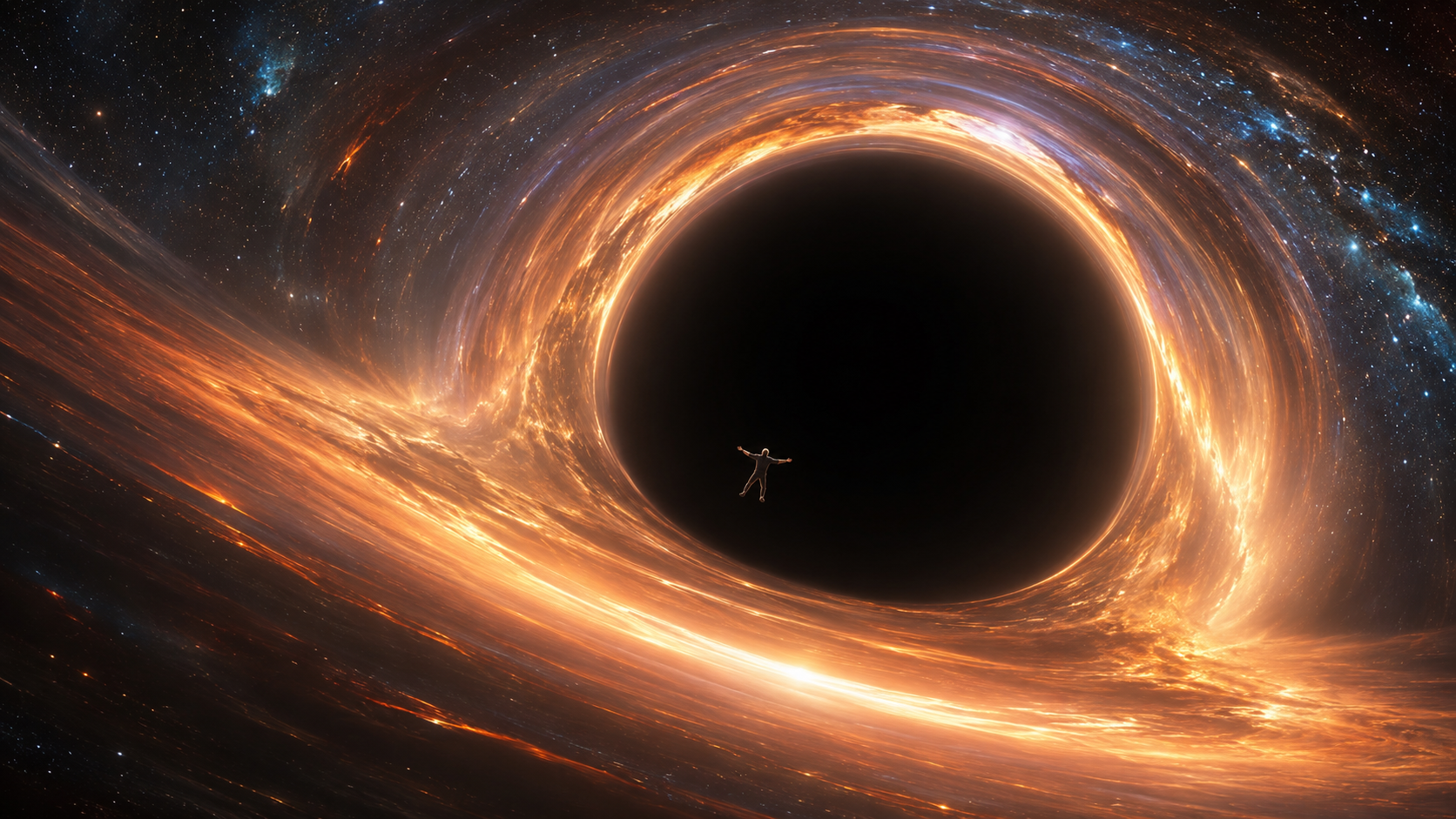 7–11 minutes
Falling Into a Black Hole Experience: What Would You Actually See?
You’ve crossed the event horizon. Nothing exploded. No alarm sounded. From your perspective, the most catastrophic boundary in the universe looked unremarkable. But from a safe distance, your friend watched you freeze, fade, and never arrive. The falling into a black hole experience is two completely different stories — and physics tells both in perfect,… Read more
-
 8–12 minutes
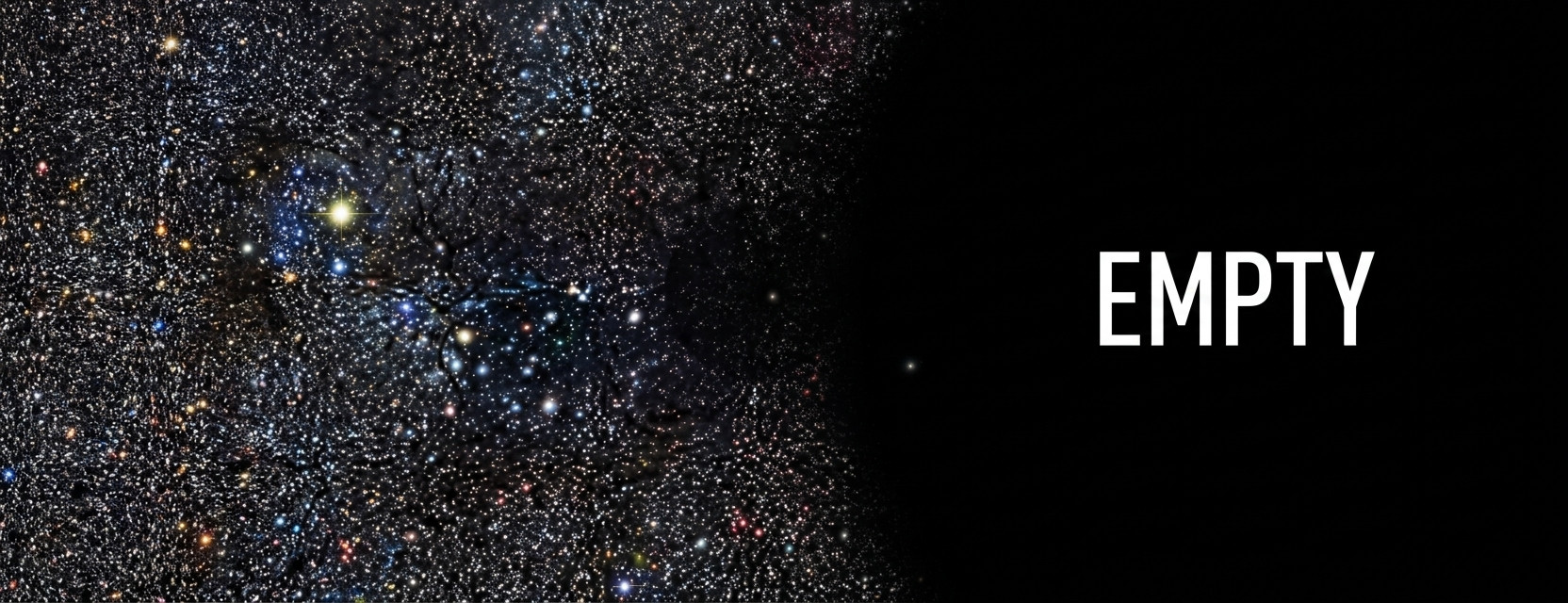
The Cosmic Void So Large It Challenges Everything We Know About the Universe
There is a place in the universe 330 million light-years wide where almost nothing exists. No stars, no galaxies, no dark matter — just space. It is called the Boötes cosmic void, and its existence, according to our best models of how the universe works, should be essentially impossible. Here is what it means that… Read more
-
 6–9 minutes
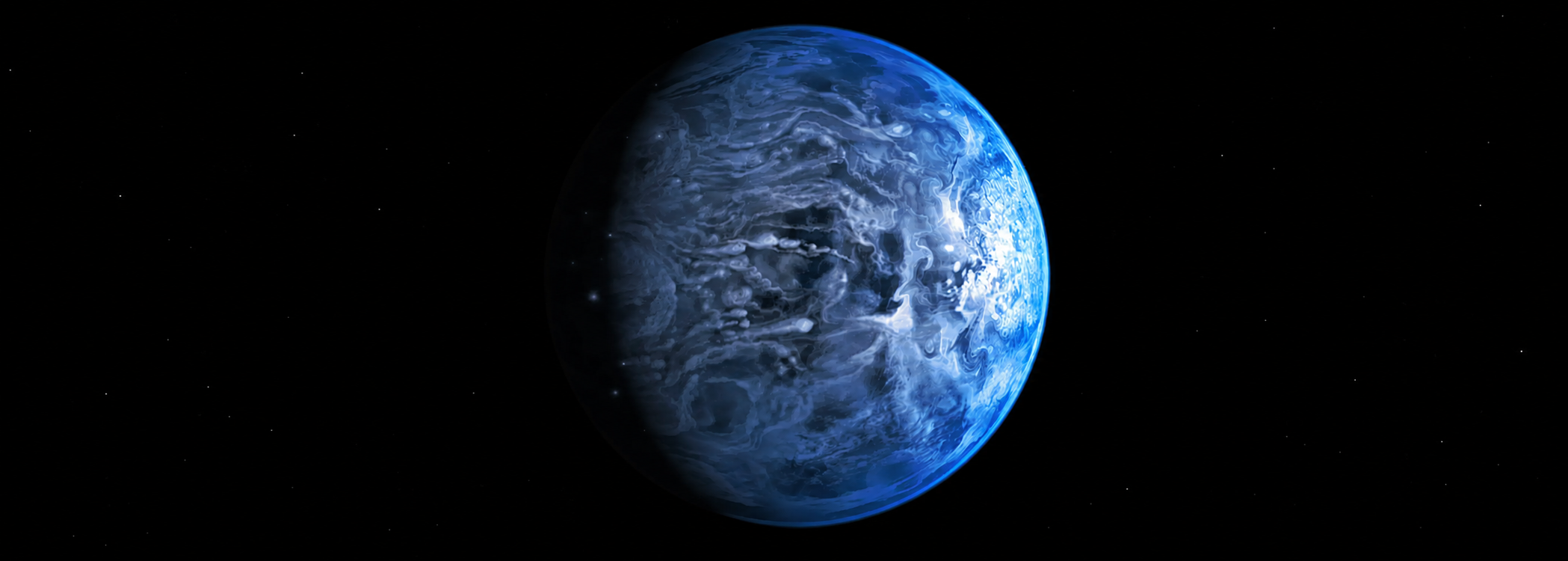
NASA Found a Planet That Rains Glass — Sideways
Sixty-three light-years from Earth sits a planet that looks exactly like home — deep cobalt blue, almost peaceful. But its atmosphere burns at 1,000 degrees, its winds move at seven times the speed of sound, and every single day it rains molten glass. Sideways. This is the glass rain planet — and it will change… Read more