
-
 3–5 minutes
Morbid Curiosity: Why We Are Drawn to True Crime
Millions of people fall asleep to podcasts about murder, feeling a little guilty about how much they’re enjoying it. It’s one of entertainment’s strangest contradictions — violence repels us in real life, yet we can’t look away from it in story form. Here’s the surprisingly old, surprisingly useful psychology behind our fascination with true crime. Read more
-
 3–5 minutes
Why Doing Someone a Favor Makes You Like Them More
You’d think we like the people who help us — and feel less for the people we help. Psychology keeps finding the reverse. It’s called the Ben Franklin effect, and it reveals something unsettling: sometimes you don’t help people because you like them, you like them because you helped. Here’s why. Read more
-
 3–5 minutes
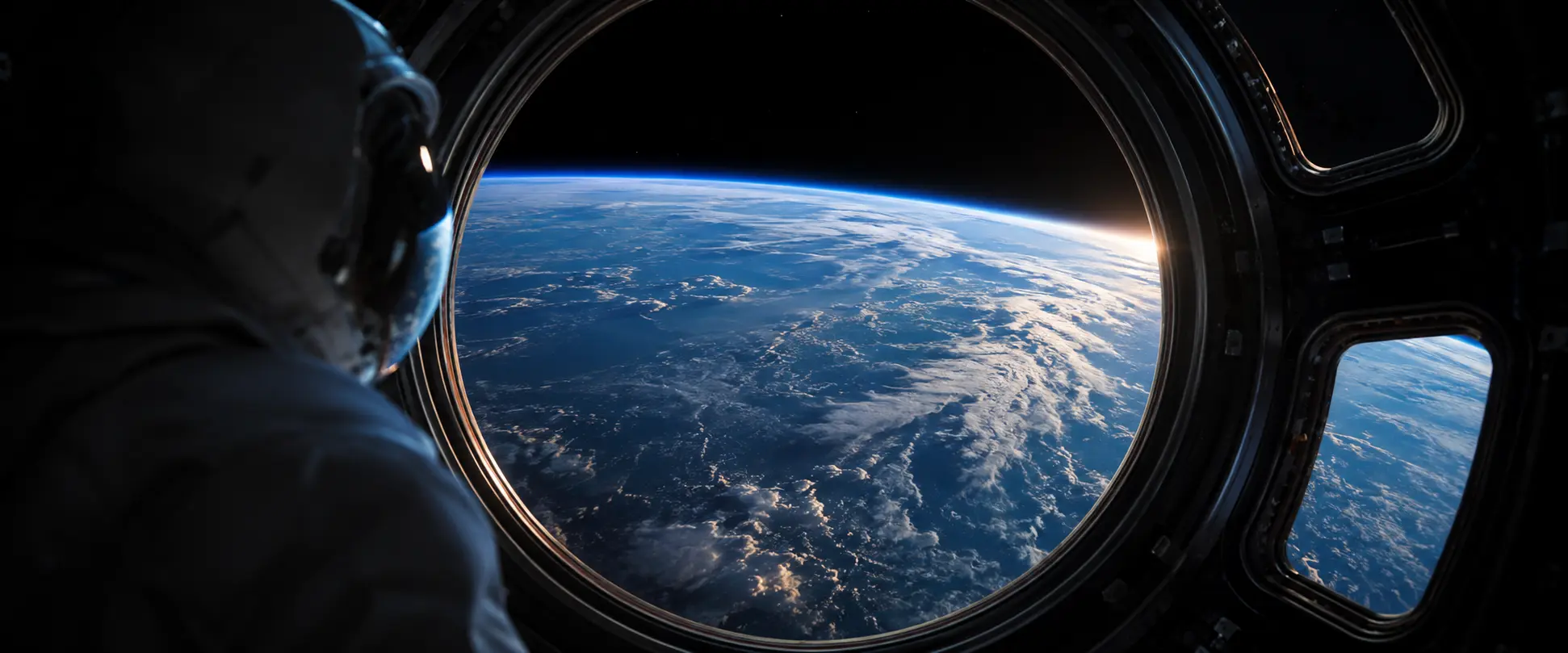
The Overview Effect: How Seeing Earth From Space Changes You
Astronaut after astronaut returns from orbit describing the same thing — a sudden, almost spiritual shift in how they see life, borders, and themselves. It’s called the Overview Effect. Here’s what it is, the real psychology and neuroscience behind why one view rewires the mind, and how to feel a version of it on Earth. Read more
-
 17–25 minutes
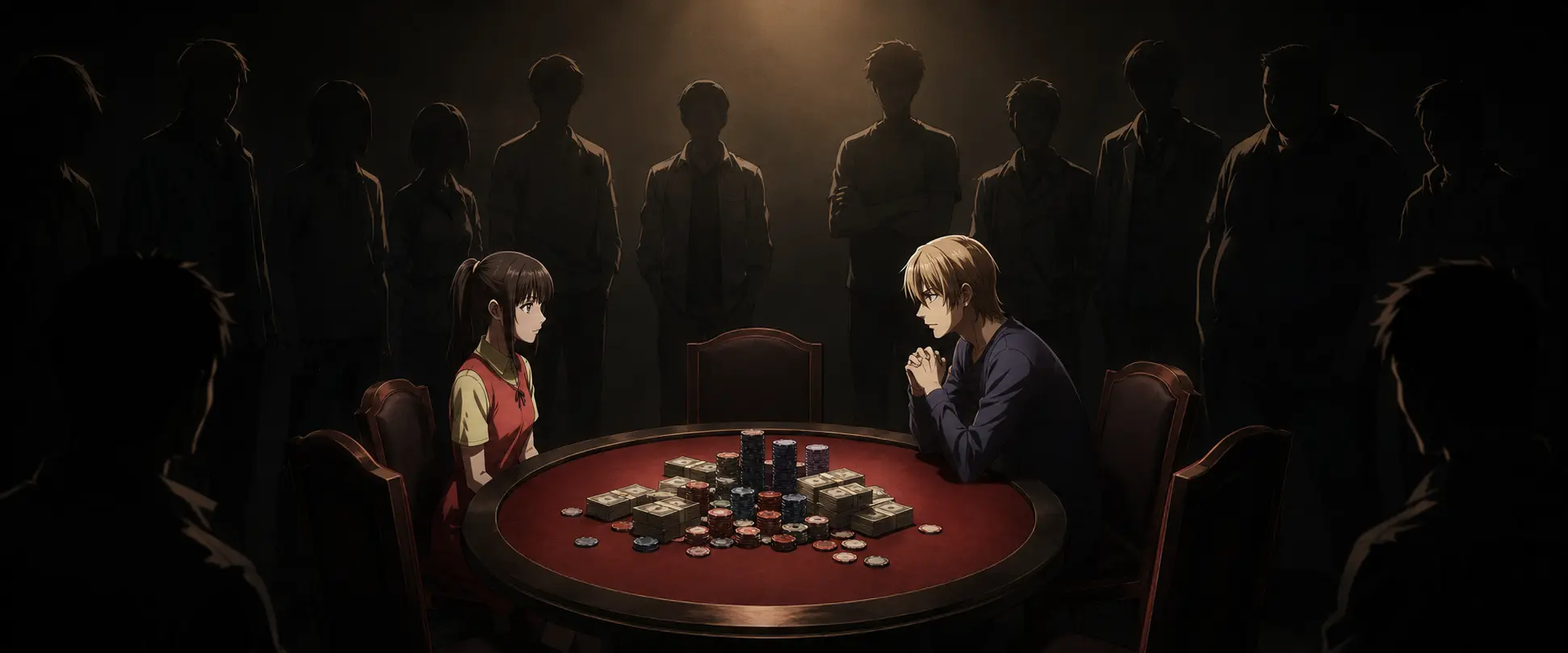
Liar Game: All Games Explained in Order
A stranger hands you 100 million yen and one rule: betray, or be betrayed. That’s how Liar Game begins. Here’s every one of the series’ 13 games explained simply and in order — the rules, the real story of each round, and the clever real-life lesson hidden inside every single game. Read more
-
 3–4 minutes
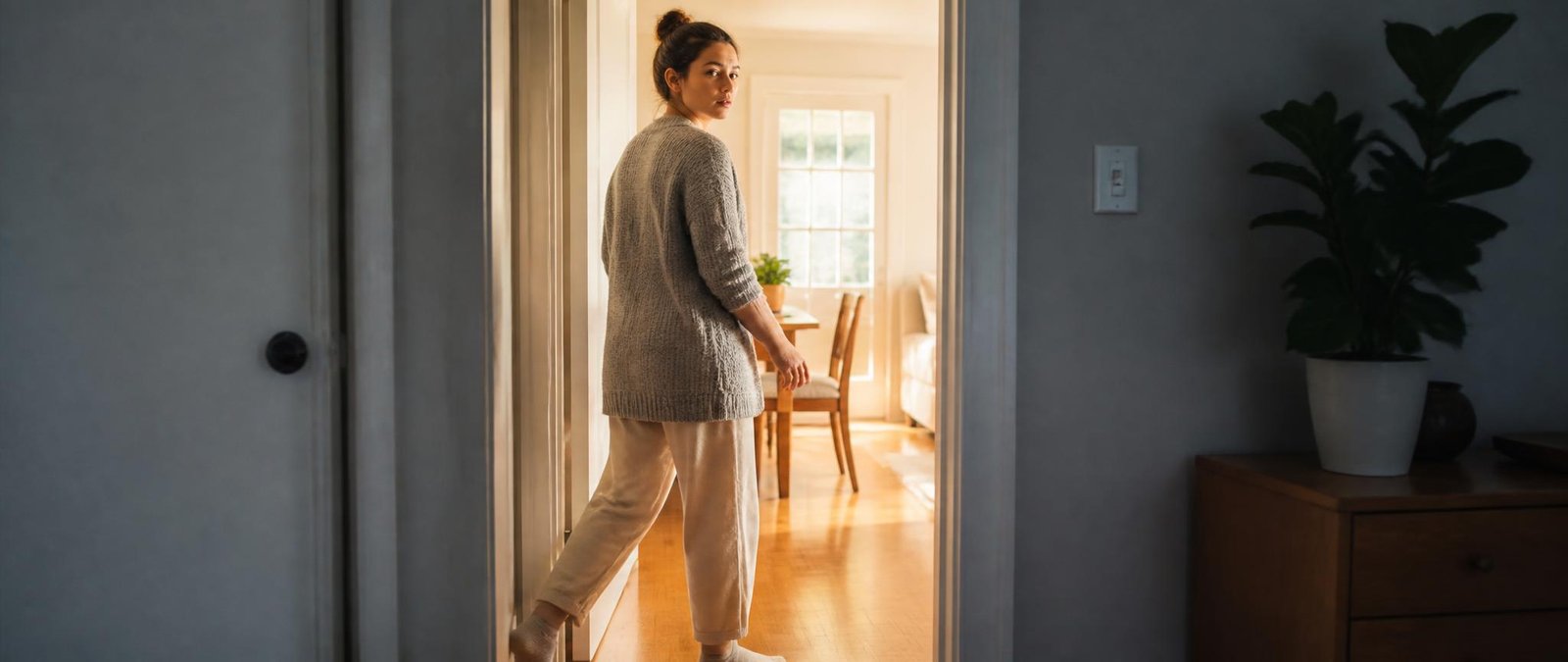
Why Walking Through a Door Makes You Forget
You walk into a room with total purpose, and the moment you cross the threshold, your reason for being there vanishes. This isn’t a memory failure — it’s the doorway effect, a real psychological quirk where your brain treats a doorway as a chapter break. Here’s the surprising science, and how to outsmart it. Read more
-
 3–4 minutes
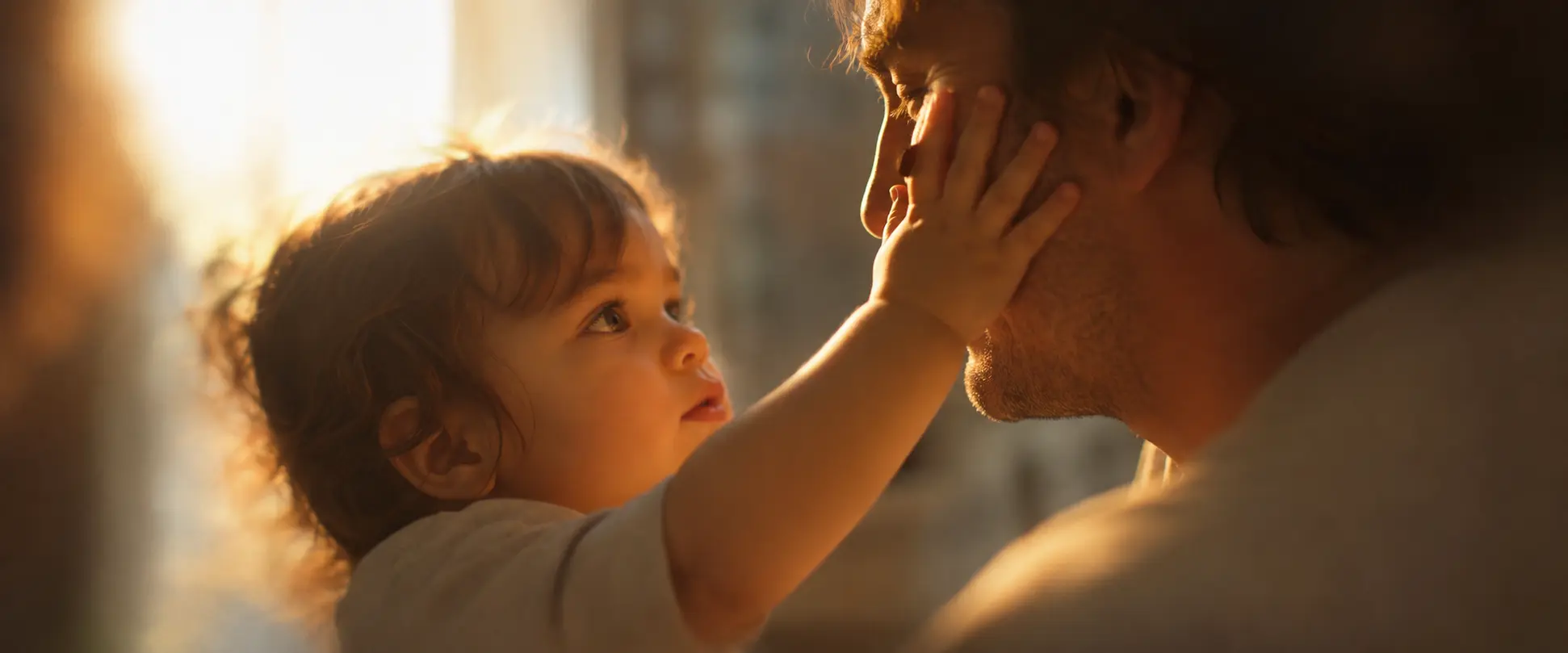
Why We Can’t Remember Being Babies
You laughed, learned to walk, and recognised your mother’s face — none of it survives in memory. Nearly everyone forgets their first three years completely. Here’s the surprising neuroscience of infantile amnesia, why a growing brain quietly overwrites its earliest memories, and what a mouse study revealed about those lost years. Read more
-
 3–4 minutes
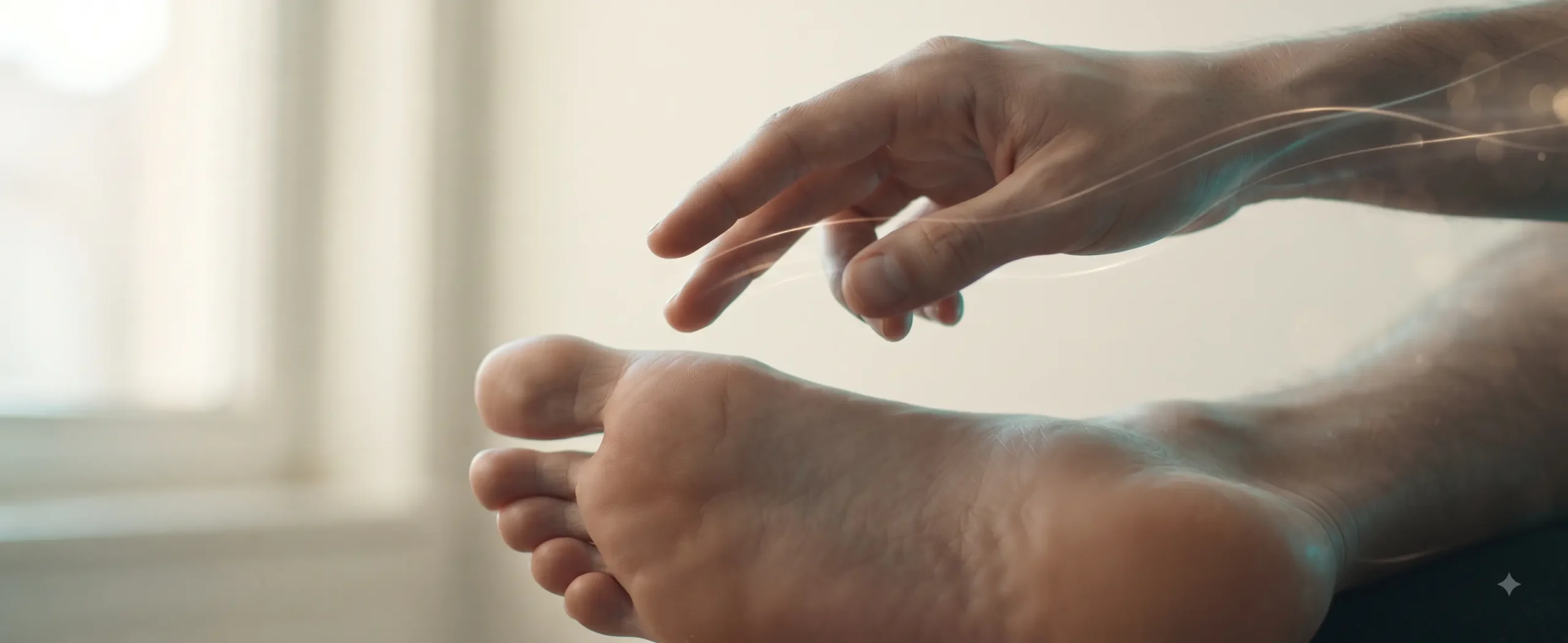
Why You Cant Tickle Yourself
Run your fingers along your own ribs and… nothing. Yet another person’s touch sends you squirming. Why? Your brain predicts your every self-made move and quietly cancels the sensation before it lands. Here’s the strange neuroscience of ticklishness — and what it reveals about how your mind tells you apart from the world. Read more
-
 4–7 minutes
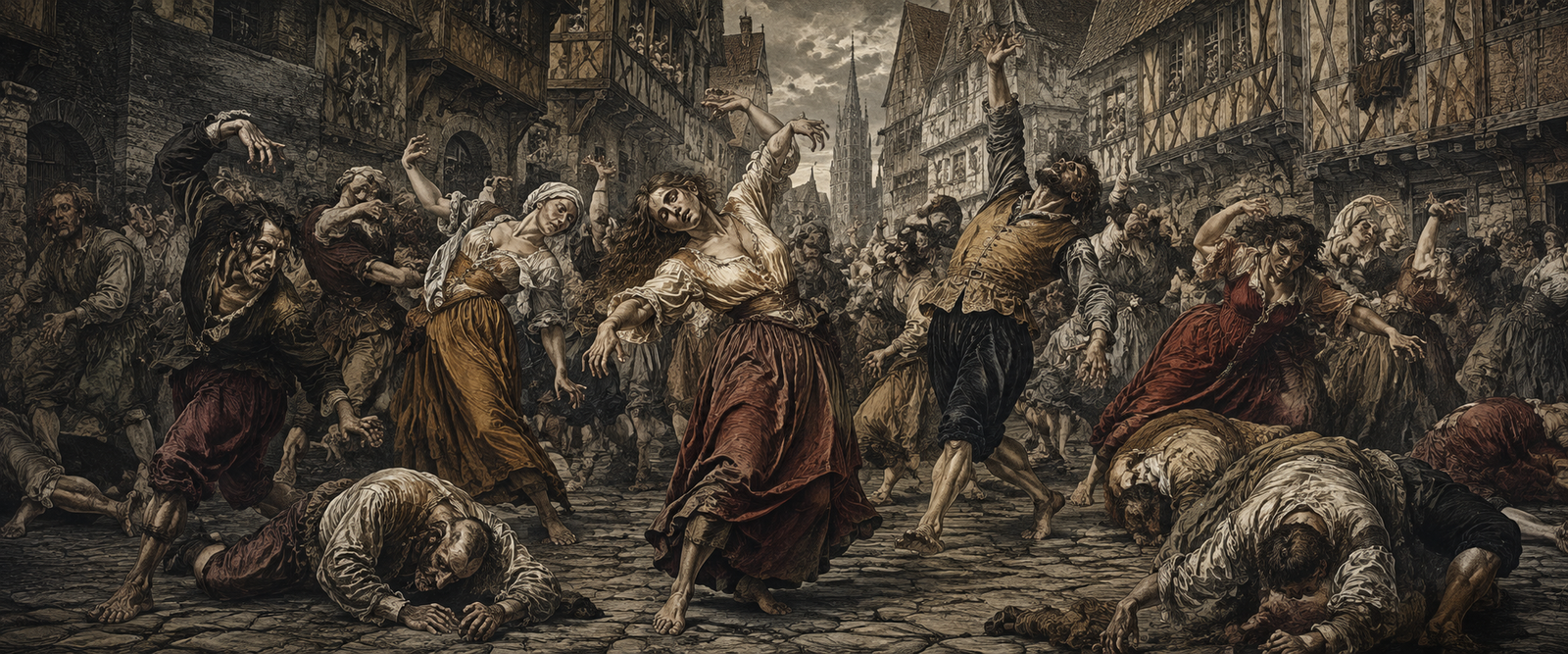
The Dancing Plague of 1518: A Town That Danced Itself to Death
In July 1518, a woman began dancing in a Strasbourg street with no music and no reason — and couldn’t stop. Within a month, hundreds had joined, and some danced until they dropped dead. It’s fully documented history, and the reason why says something disturbing about the human mind. Read more
-
 6–8 minutes
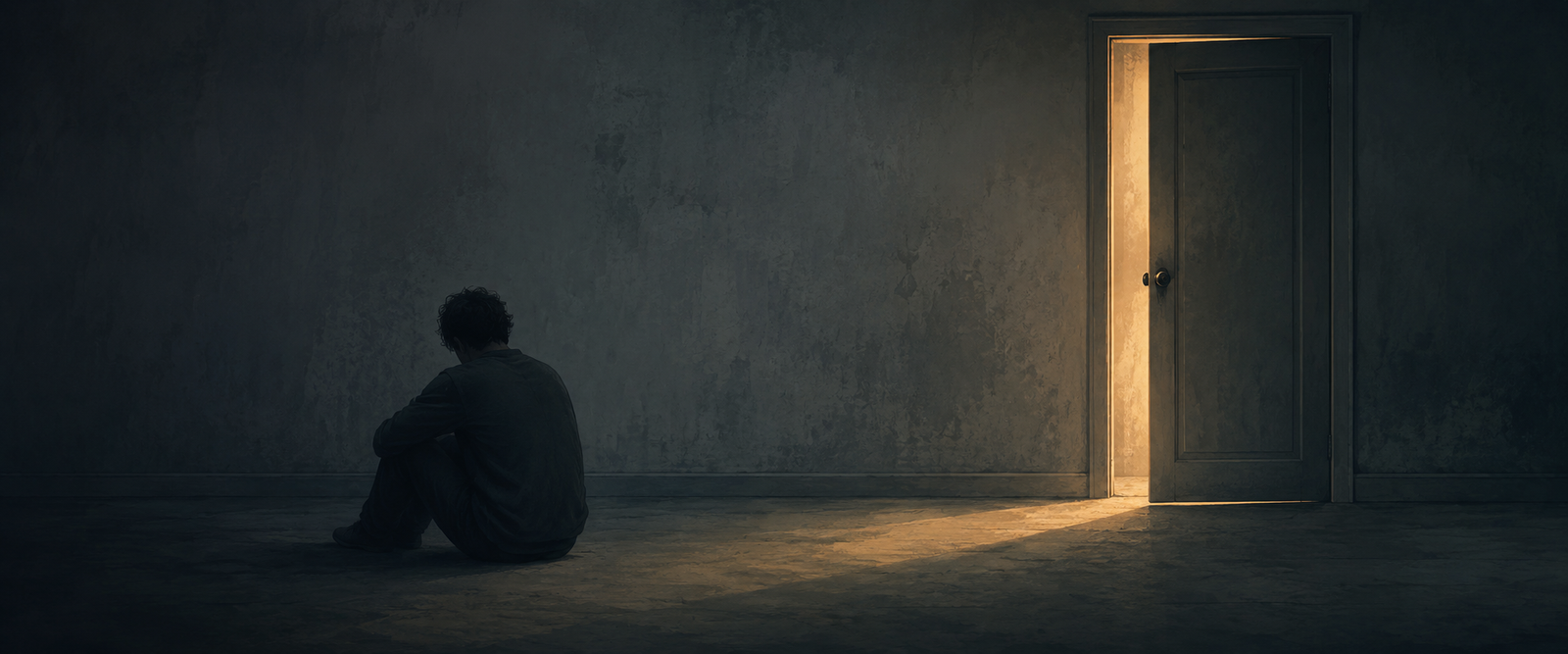
Learned Helplessness: The Experiment That Explains Why People Stop Trying
The door was open. One low barrier, one step, and freedom on the other side. They didn’t take it — most didn’t even look for it. In 1967 a psychologist stumbled onto the hidden mechanism behind one of the most misread human behaviors there is, and it has almost nothing to do with willpower. Read more
-
 6–8 minutes
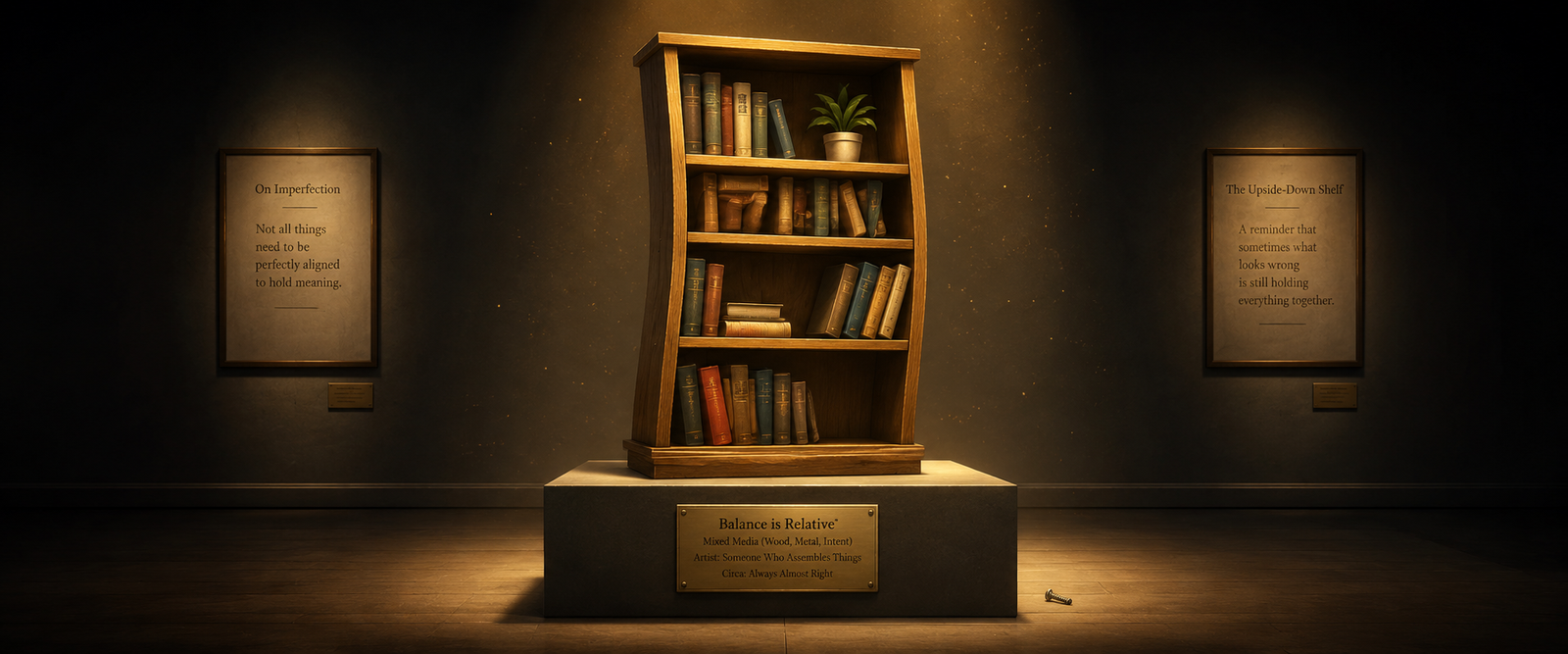
The IKEA Effect and Why We Overvalue What We Build
Somewhere there’s a lopsided bookshelf its owner would defend with their life. It leans badly. One shelf is upside down. The instructions were abandoned around step four. And yet it’s worth more to them than anything money could buy — for a reason psychologists have measured, replicated, and given a slightly embarrassing name. Read more