
-
 3–4 minutes
Why We Can’t Remember Being Babies
You laughed, learned to walk, and recognised your mother’s face — none of it survives in memory. Nearly everyone forgets their first three years completely. Here’s the surprising neuroscience of infantile amnesia, why a growing brain quietly overwrites its earliest memories, and what a mouse study revealed about those lost years. Read more
-
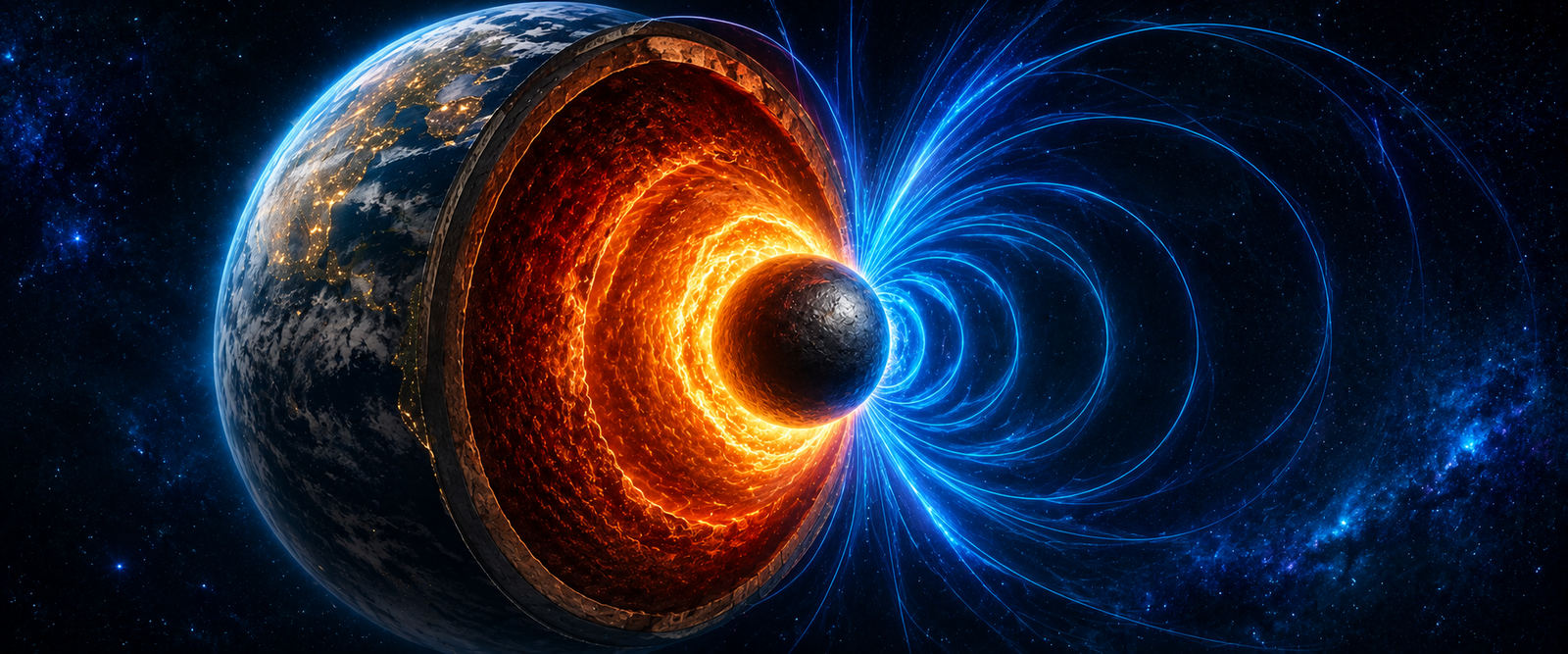
Why Earth’s Core Reversed Direction — And No One Knows Why
Five thousand kilometres down, a ball of solid iron the size of the Moon spins inside molten metal — and around 2009 it appears to have quietly flipped direction. Scientists can measure the reversal but can’t fully explain it. Here’s what we actually know about the planet’s strangest and most hidden mystery. Read more
-
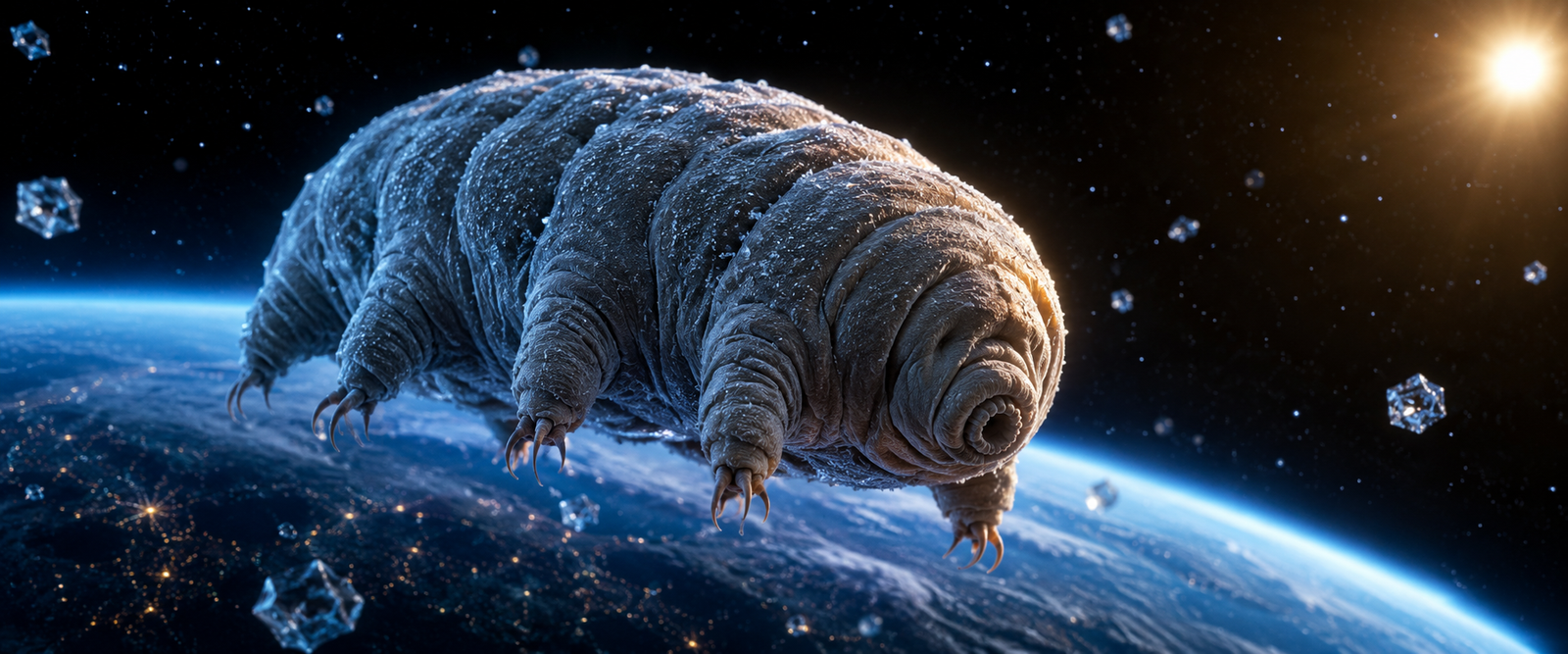
Tardigrades: The Animal That Can Survive Almost Anything
In 2007, scientists opened a satellite hatch and exposed thousands of microscopic animals directly to the raw vacuum of space. Ten days later, most of them simply woke up, and several went on to lay eggs that hatched normally. The reason is stranger than toughness — it’s closer to a pause button. Read more
-
 6–8 minutes
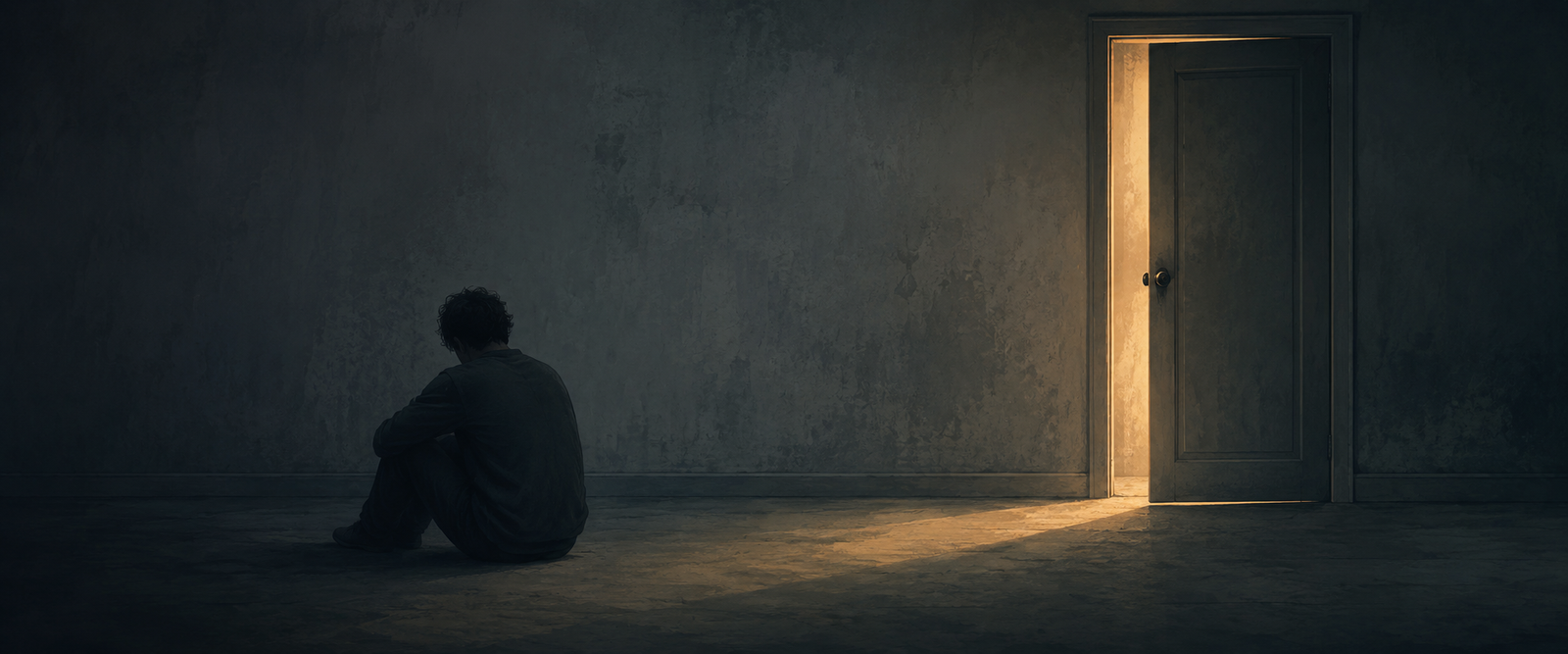
Learned Helplessness: The Experiment That Explains Why People Stop Trying
The door was open. One low barrier, one step, and freedom on the other side. They didn’t take it — most didn’t even look for it. In 1967 a psychologist stumbled onto the hidden mechanism behind one of the most misread human behaviors there is, and it has almost nothing to do with willpower. Read more
-
 5–7 minutes
The Baader-Meinhof Phenomenon Explained
You learn a word once, then see it everywhere for a week. It feels like a sign. It’s actually your brain quietly rewiring its filters — and the real story behind it is stranger than the coincidence itself. Read more
-
 3–4 minutes
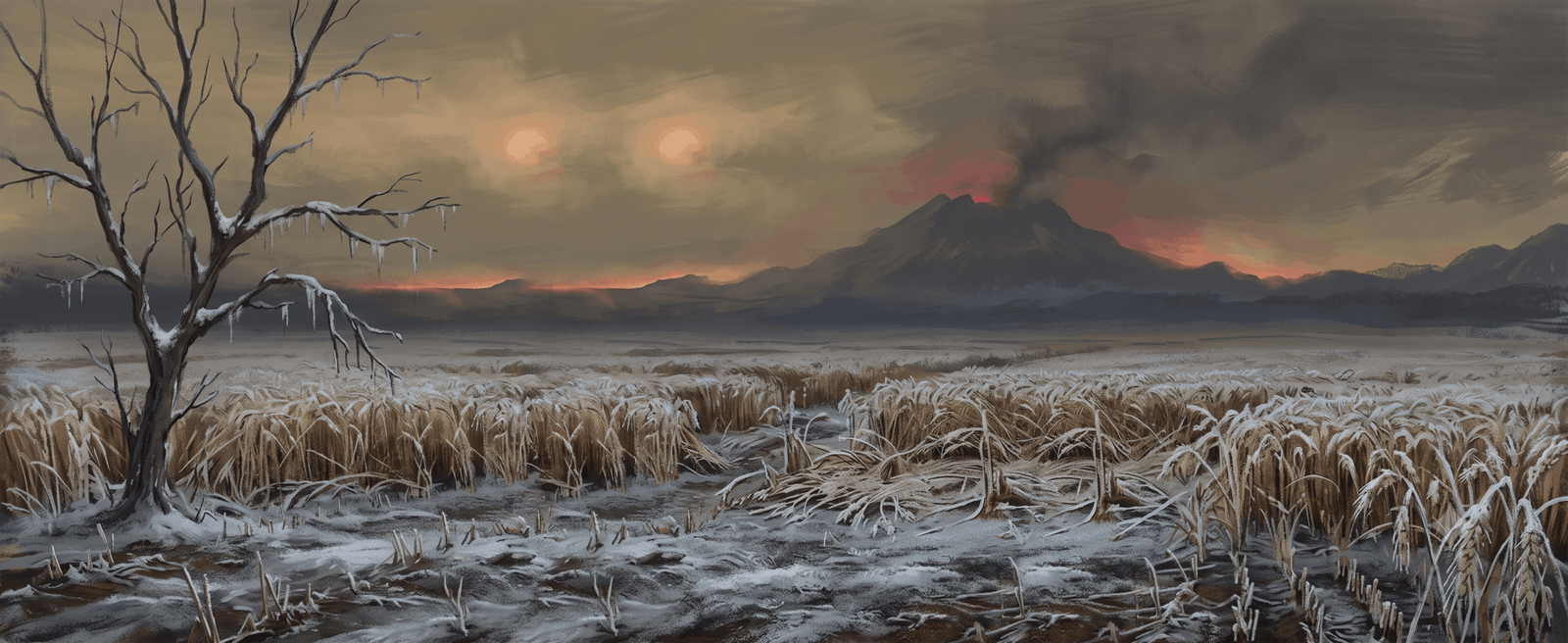
The Year Without a Summer: The 1816 Famine That Remade History
Snow in July. Bread riots in Europe. A monster born from a teenager’s boredom. In 1816, a volcano nobody had heard of quietly rewrote the fate of three continents — and most of the world never noticed why. Read more
-
 8–11 minutes
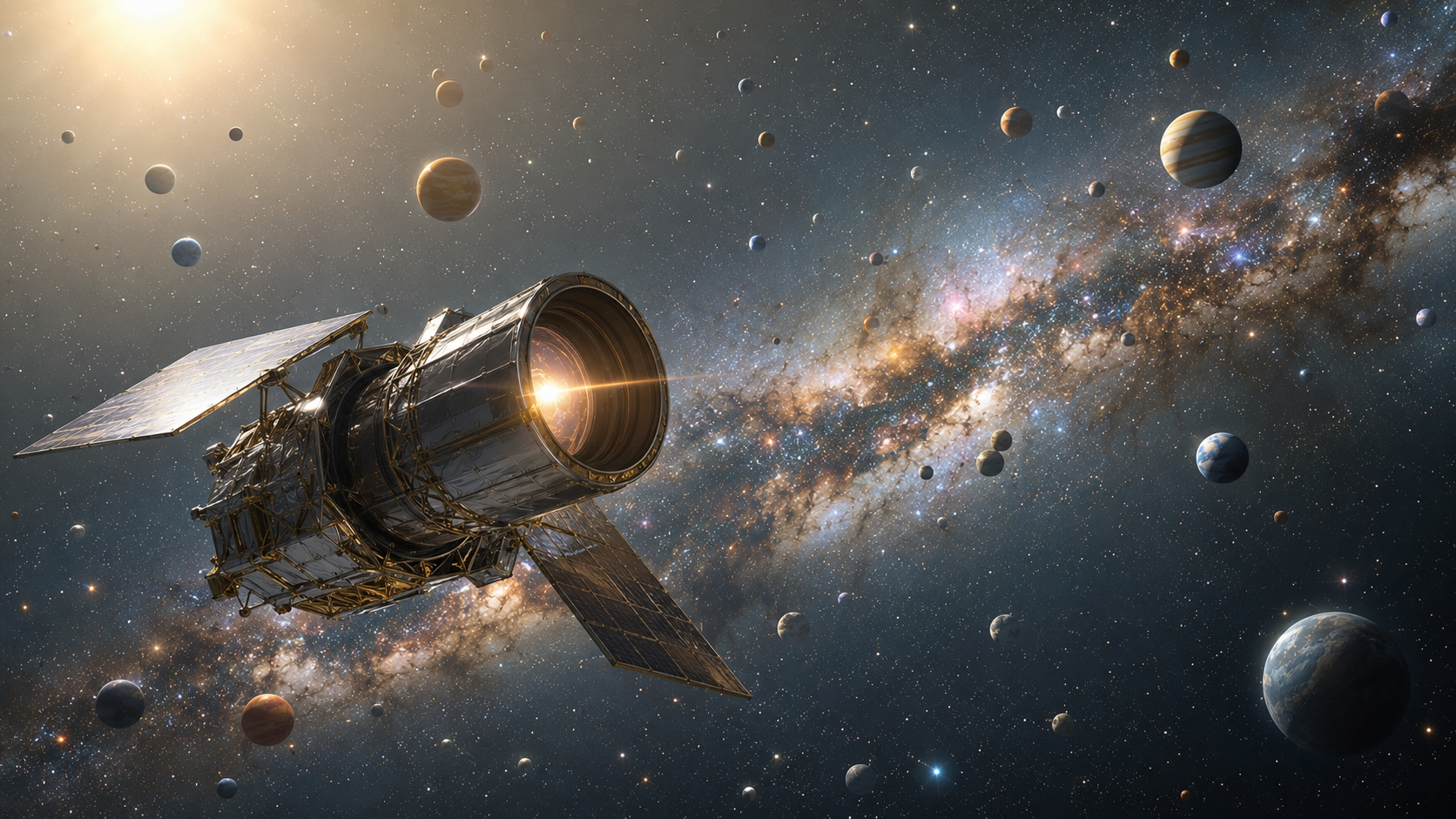
NASA’s New Telescope Could Reveal 100,000 Hidden Worlds at Once
Every planet ever confirmed outside our solar system was found one at a time. The NASA Roman Space Telescope is about to change that — discovering an estimated 100,000 exoplanets in a single mission, rewriting the map of the galaxy, and answering questions about dark energy that have stumped physics for decades. Read more
-
 8–13 minutes
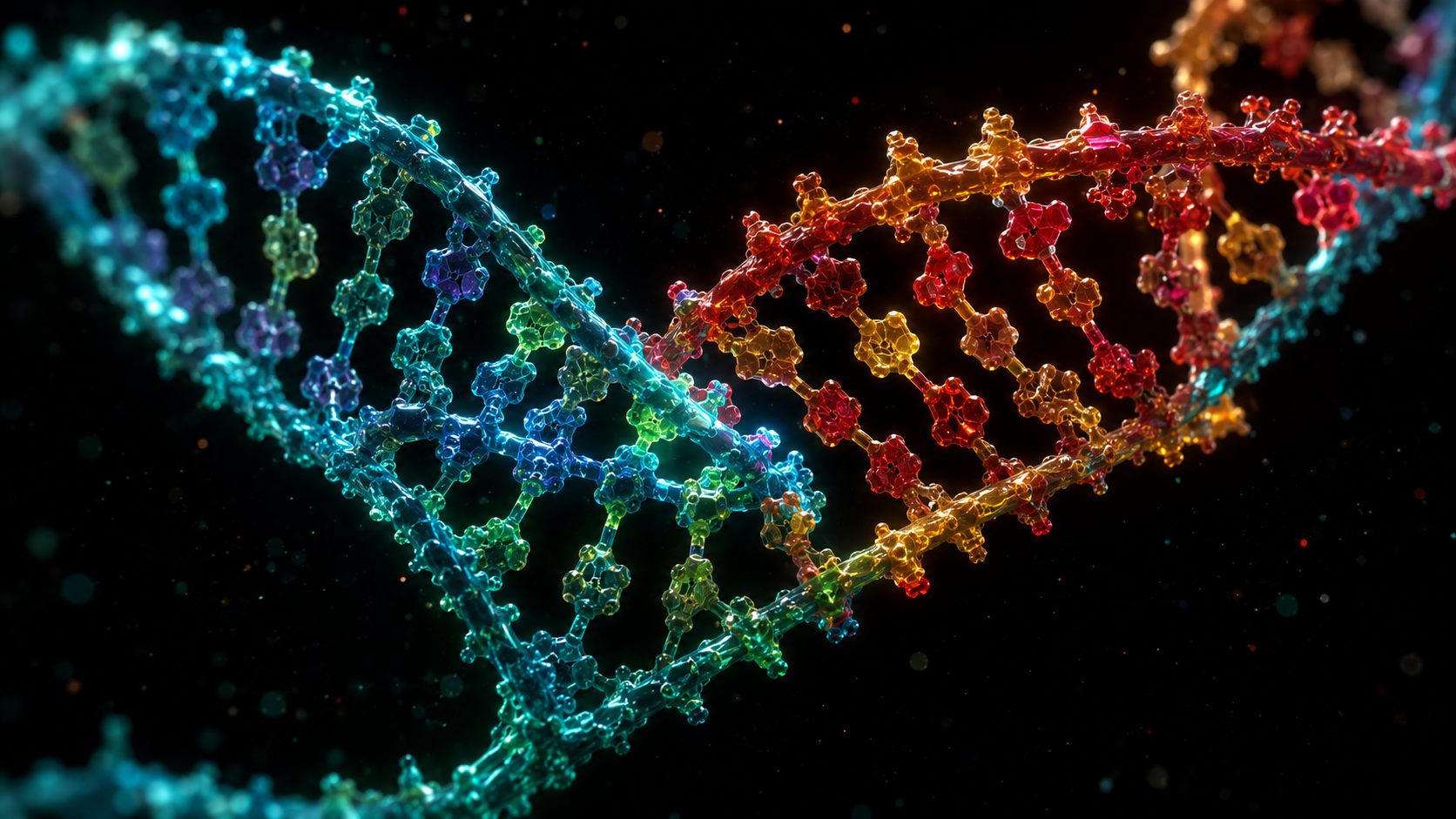
A Self-Replicating Molecule Was Created in a Lab — And It Changes Everything About Life’s Origin
Four billion years ago there was no life on Earth. Then there was. Something in the chemistry of the early planet crossed a threshold — and a new 2026 discovery in Cambridge may finally show us what that something was: a single RNA molecule that figured out how to copy itself, without any biological help… Read more
-
 7–11 minutes
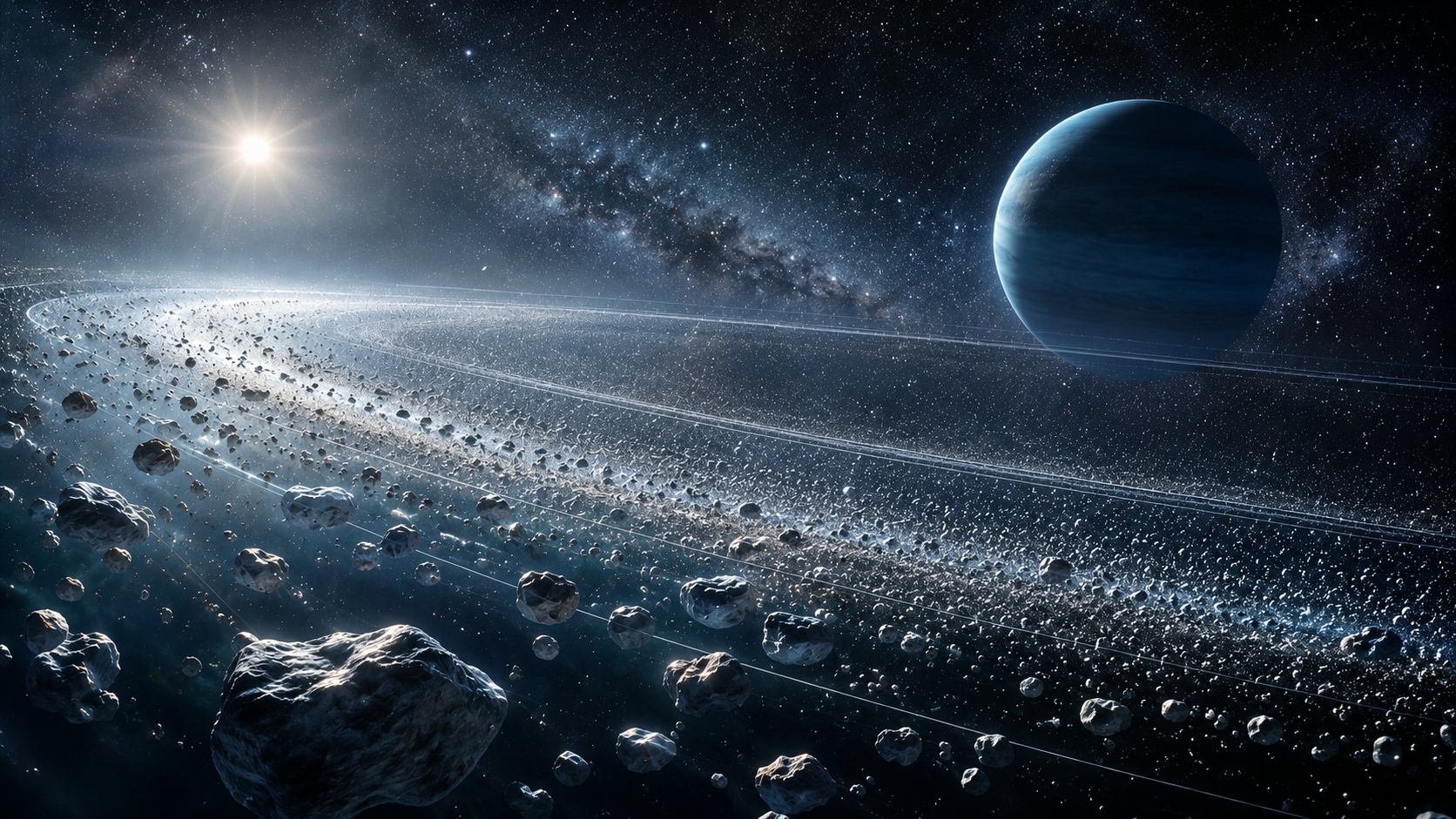
Planet Nine Mystery Just Got Darker — And Nobody Knows What’s Out There
There may be a planet the size of several Earths sitting in our own solar system — undetected, orbiting in complete darkness, unknown to science for the entirety of human civilization. New 2026 data was supposed to settle the question of whether Planet Nine exists. Instead, it made the mystery considerably darker. Read more
-
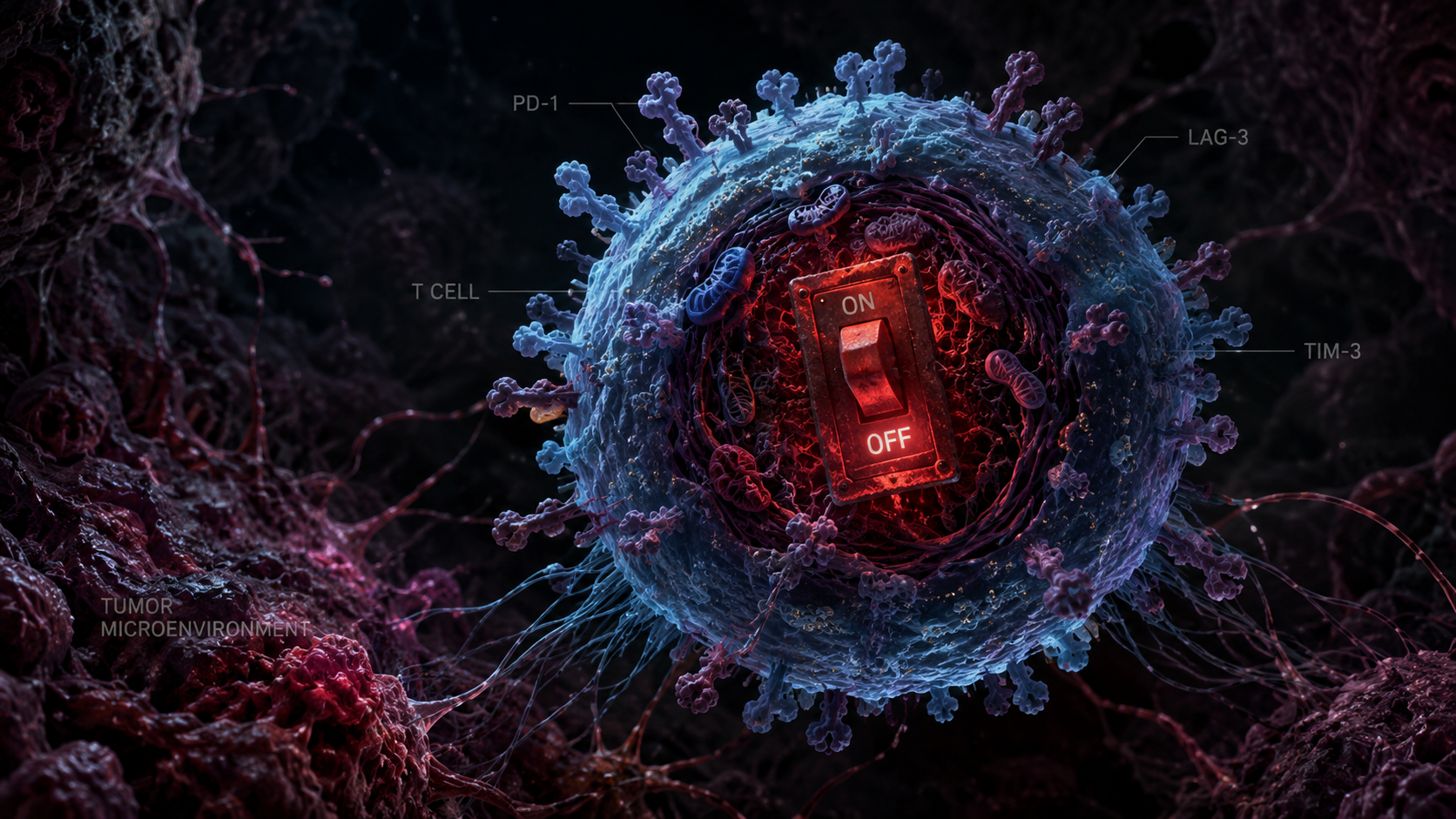 7–10 minutes
The Hidden Immune Brake That Lets Cancer Survive Inside You
Every day, your immune system destroys hundreds of abnormal cells before they become cancer. But some tumors survive — not by hiding from your immune cells, but by flipping a molecular switch inside them. A 2026 Nature study just revealed the mechanism. And it changes everything about how we’ve been fighting back. Read more