
-
The Algorithm That Knows You’re Depressed Before You Do
In just 25 seconds of ordinary speech, a machine learning algorithm can now detect signs of depression you haven’t consciously registered yet. Not from what you say — from how you say it. This is AI detecting depression early, and it raises a question medicine isn’t ready to answer: who owns the flag? Read more
-
 3–4 minutes
The Nocebo Effect — When Belief Alone Makes You Sick
Every year, patients in drug trials swallow a harmless sugar pill, get told about the real drug’s side effects — and develop those exact side effects. No active ingredient. Just words. This is the nocebo effect, and it quietly reshapes everything we think we know about how the body and belief interact. Read more
-
 5–8 minutes
Why Your Brain Replays Rejection Like a Broken Record
You got rejected weeks ago. You’ve moved on — or so you think. Then it’s 2am and your brain is replaying the whole thing in perfect detail, frame by frame, like it just happened. That’s not weakness. That’s your brain running ancient survival software it was never designed to switch off. Read more
-
 5–7 minutes
Does the Present Moment Actually Exist? Physics Says Maybe Not
You are reading this right now. Nothing feels more certain. And yet physics has no equation for “now” — no variable, no coordinate that marks the present as special. When scientists actually try to locate the present moment in the structure of reality, they find something deeply unsettling: it may not be there at all. Read more
-
 3–4 minutes
The Village Where People Randomly Fall Asleep for Days — The Kalachi Mystery
In a small Kazakhstani village, people began falling asleep without warning — mid-sentence, mid-walk, mid-meal — and couldn’t be woken for days. Some woke with hallucinations they couldn’t explain. The Kalachi sleeping sickness baffled scientists for two years. What was actually happening is stranger than the theories. Read more
-
 7–11 minutes
Sleep Deprivation at 11 Days — What Happens to a Human Body Pushed to the Absolute Limit
In 1964, a seventeen-year-old named Randy Gardner stayed awake for 264 hours — eleven straight days. What happened to his body and mind along the way is one of the most disturbing demonstrations in science of just how fragile human consciousness really is. Here’s the full story, stage by stage. Read more
-
 7–11 minutes
Tetrachromacy Explained: The Woman Who Sees 99 Million More Colours Than You
Most people assume everyone sees the same world. But a small number of women — tetrachromats — perceive up to 99 million colours the rest of us can’t see, detect, or even imagine. The science behind this extraordinary quirk of genetics is stranger, and more philosophically unsettling, than it first appears. Read more
-
 7–11 minutes
Cotard’s Syndrome: The Rare Condition Where People Believe They Are Already Dead
There is a condition in which a fully conscious, articulate person genuinely believes they are dead — not as a metaphor, not as a feeling, but as a fixed, unshakeable certainty. Cotard’s Syndrome is one of the strangest things a human brain can do. And what it reveals about consciousness is more unsettling than the… Read more
-
 7–10 minutes
Gut Microbiome and Mood: Why Your Gut Might Be Running Your Brain
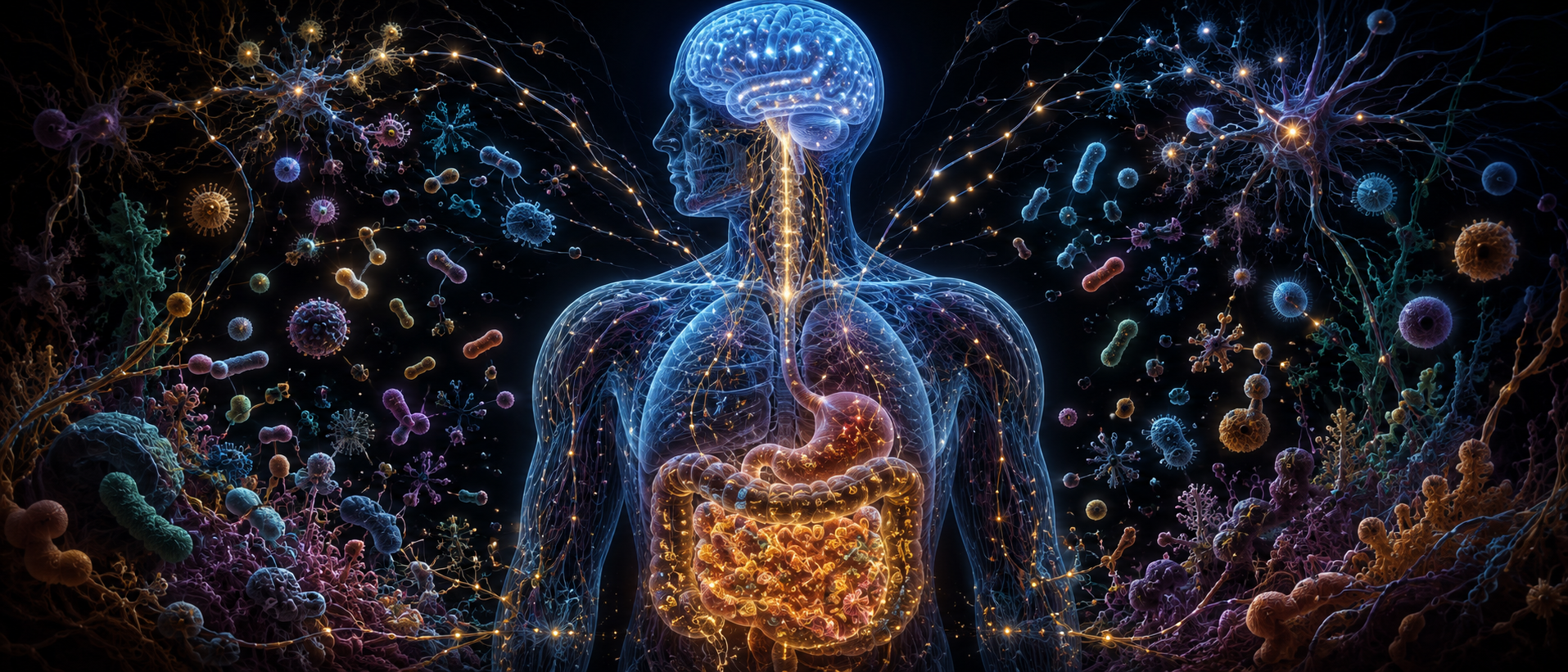
You assume your brain is in charge of how you feel. But a growing body of research suggests the 100 trillion microorganisms living in your gut are sending signals upward — signals that shape your anxiety, your stress tolerance, and your emotional baseline in ways the brain simply inherits. Read more
-
 7–11 minutes
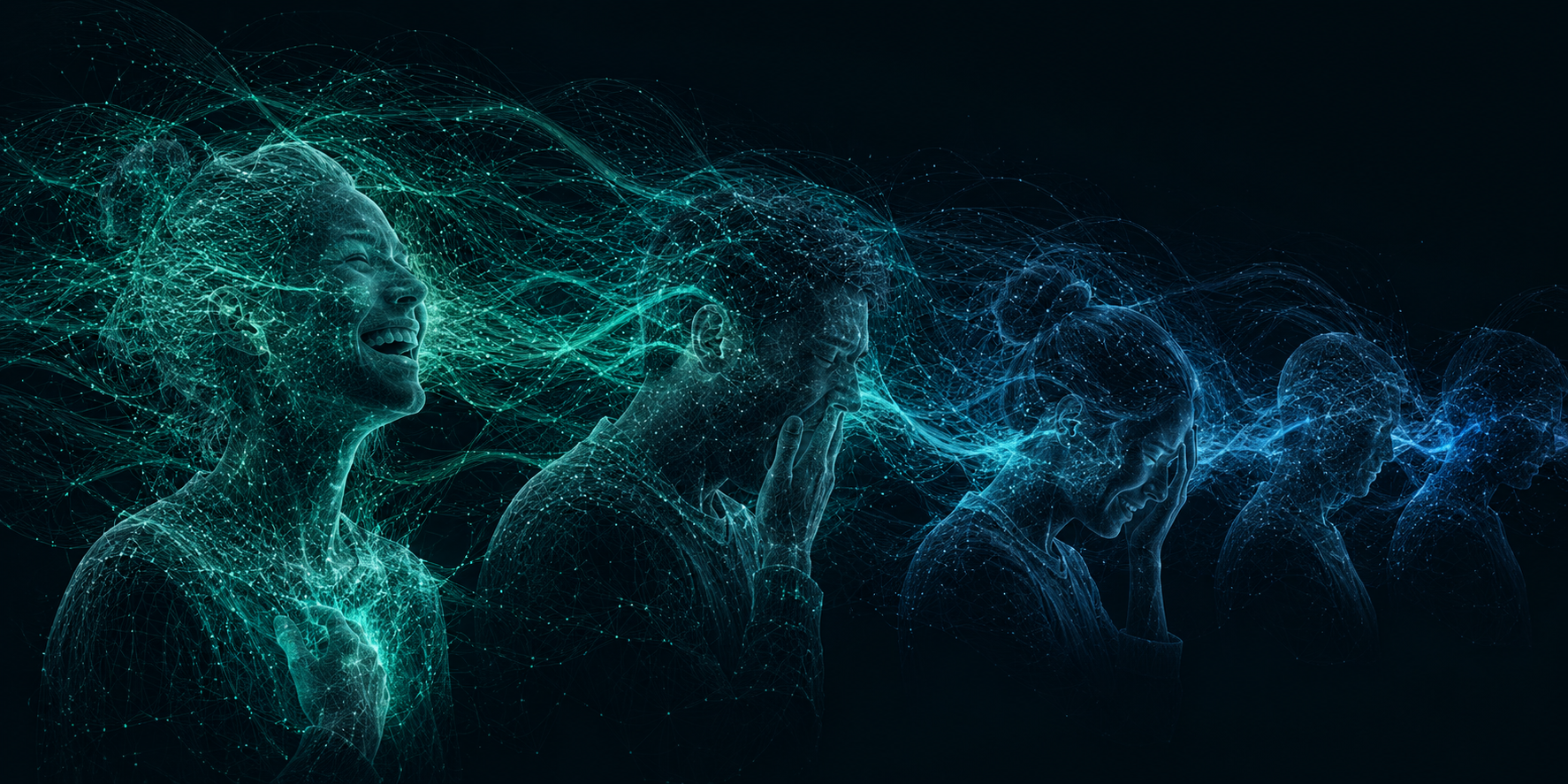
The Social Contagion Effect — Why Suicide, Laughter and Yawning All Spread the Same Way
Something strange happened the month Marilyn Monroe died. Suicide rates across the US climbed by 12 percent — not from grief, not from coincidence, but from a force so embedded in human neurology that it also explains why you yawn when others do, and why a stranger’s laughter pulls one from you before you’ve even… Read more