
-
 3–5 minutes
Morbid Curiosity: Why We Are Drawn to True Crime
Millions of people fall asleep to podcasts about murder, feeling a little guilty about how much they’re enjoying it. It’s one of entertainment’s strangest contradictions — violence repels us in real life, yet we can’t look away from it in story form. Here’s the surprisingly old, surprisingly useful psychology behind our fascination with true crime. Read more
-
 3–4 minutes
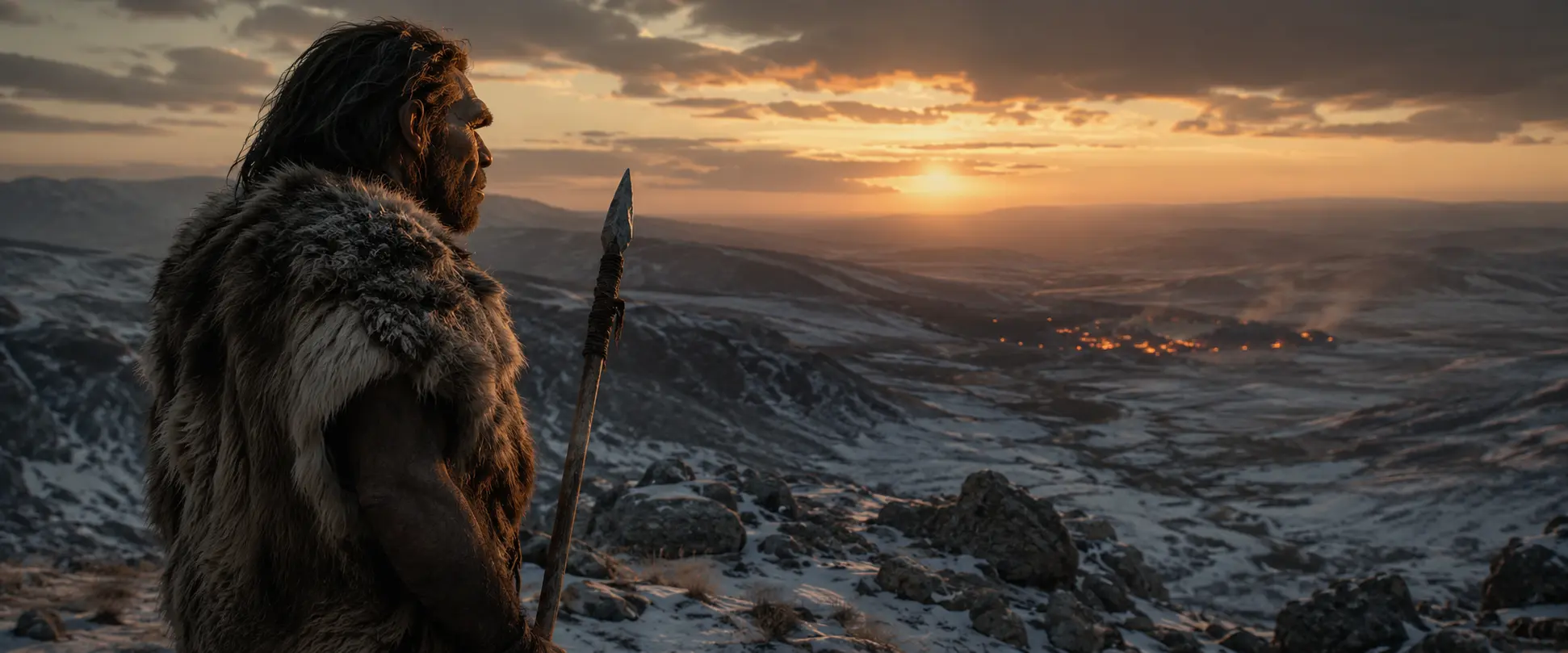
Why Neanderthals Went Extinct: A Surprising New Answer
They survived ice ages, competed with lions, and buried their dead — then vanished 40,000 years ago. For a century we blamed the cold. But a 2026 study points somewhere unexpected: not brains or brawn, but the fragile web of Neanderthal social ties. Here’s the surprising new answer, and the very human lesson it carries. Read more
-
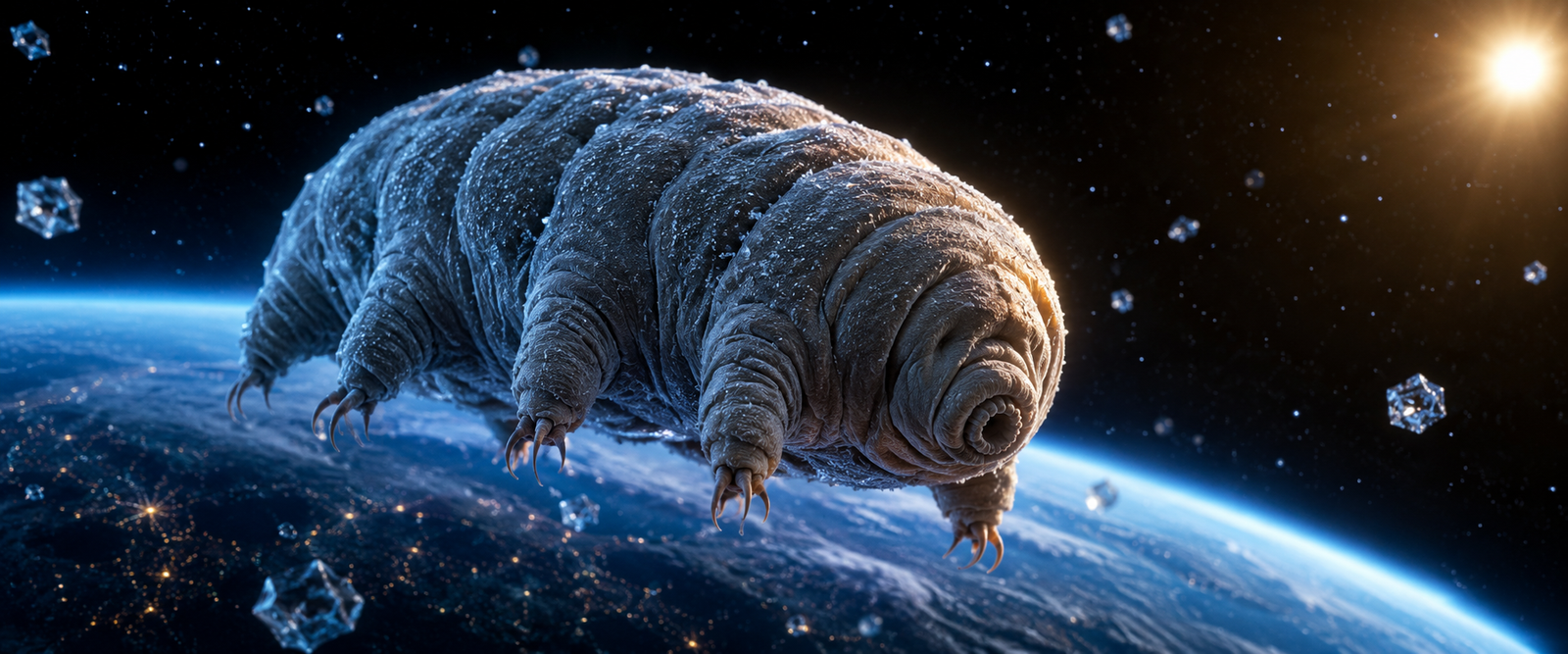
Tardigrades: The Animal That Can Survive Almost Anything
In 2007, scientists opened a satellite hatch and exposed thousands of microscopic animals directly to the raw vacuum of space. Ten days later, most of them simply woke up, and several went on to lay eggs that hatched normally. The reason is stranger than toughness — it’s closer to a pause button. Read more
-

The Tree That Kills Everything Around It — The Manchineel’s Toxic Secret
On a postcard-perfect Caribbean beach, a radiologist bit into a sweet-smelling green fruit and felt her throat close within seconds. She had wandered into the shade of the deadliest tree on Earth — a beautiful, glossy-leafed killer that blisters skin with its rain and hides its secret in plain sight. Read more
-
 6–9 minutes
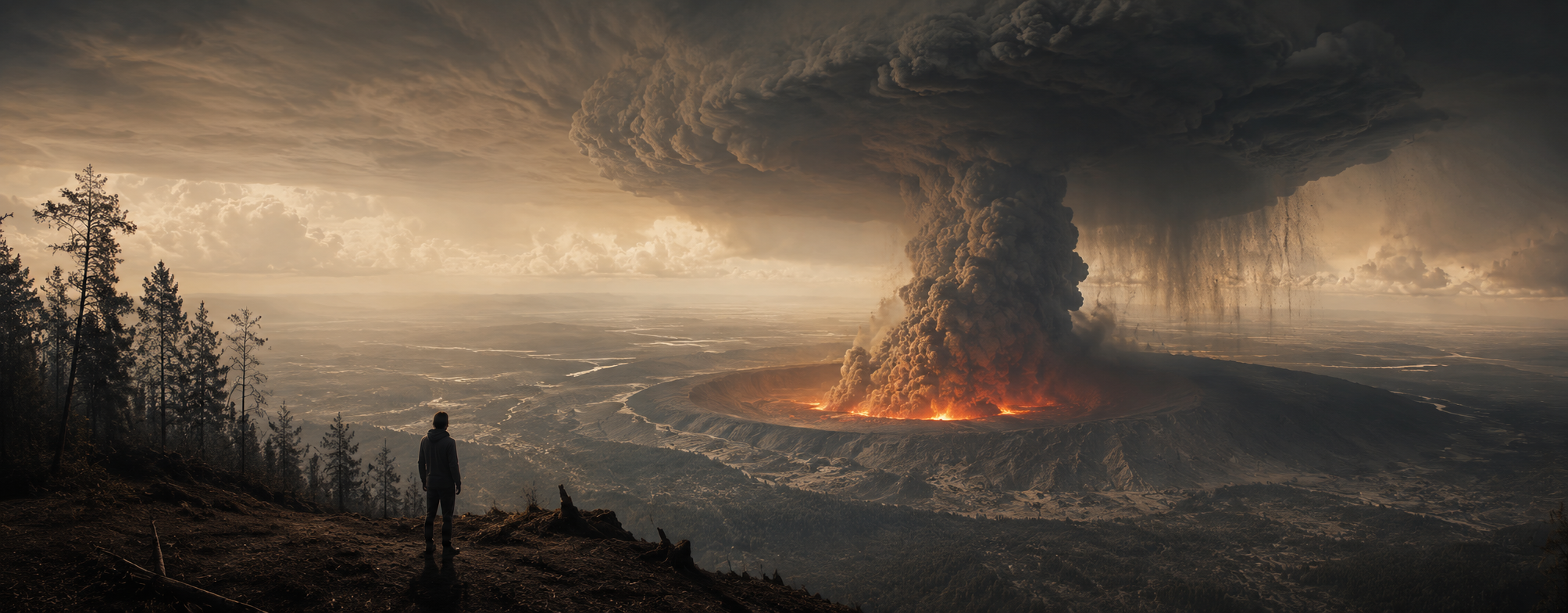
Toba Catastrophe Theory: How One Volcanic Eruption Almost Erased Humanity
Seventy-four thousand years ago, a supervolcano on Sumatra erupted with enough force to plunge Earth into a volcanic winter. The Toba catastrophe theory suggests it nearly wiped out our entire species — reducing all of humanity to perhaps a few thousand survivors. Every human alive today may owe their existence to that impossibly thin thread. Read more
-
 5–8 minutes
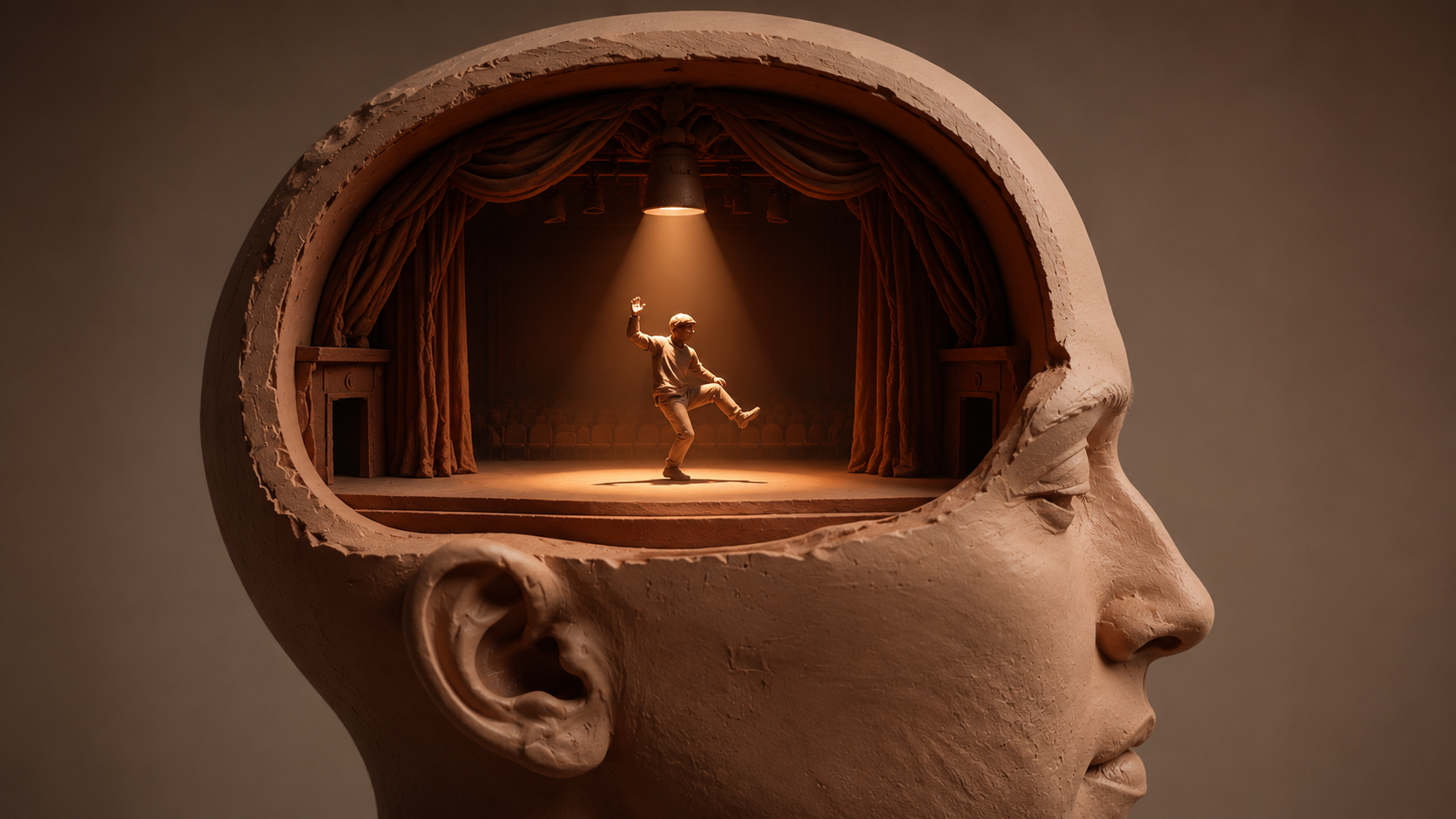
Why You Remember Embarrassing Moments Forever
Your brain isn’t broken — it’s ancient. Every embarrassing moment it replays at 2 a.m. was filed away by an amygdala that genuinely believed your social survival was at stake. The spotlight effect, flashbulb memory, and emotional encoding explain why cringe never fades. Here’s the fascinating science behind the replay — and how to finally… Read more
-
 7–10 minutes
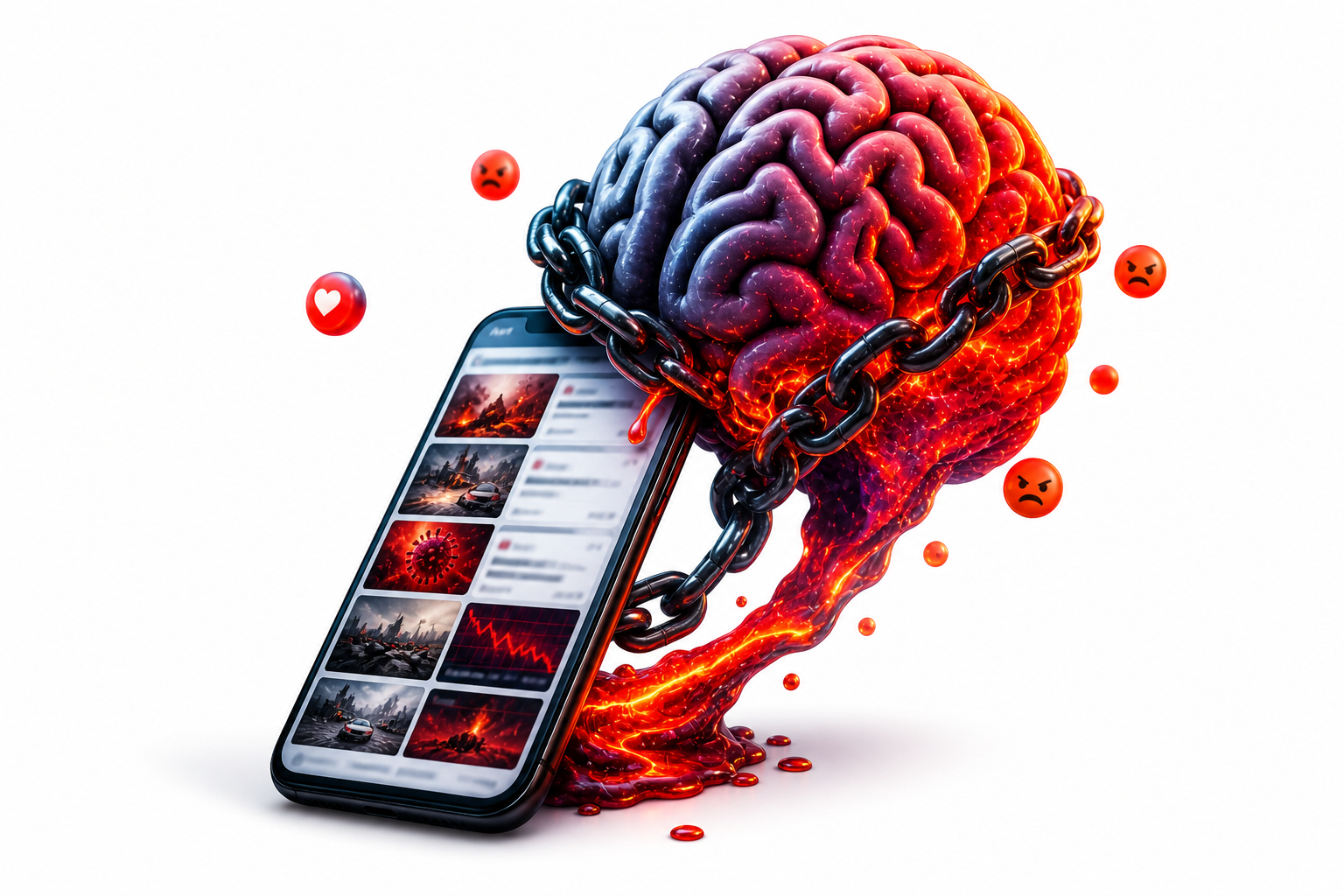
Why Humans Are Addicted to Bad News (Science Explained)
You clicked on a negative headline. And you couldn’t help it. That’s not weakness — that’s 200,000 years of survival wiring firing in real time. Your brain was built to hunt threats, and modern media knows it. Here’s the neuroscience behind why bad news owns your attention. Read more
-
 6–9 minutes
The Creepy Reason You Sometimes Feel Watched — And Why Your Brain Is Never Wrong About It
Ever had that eerie feeling watched sensation creep over you in an empty room? Science says your brain isn’t lying to you. From ancient predator instincts to dedicated neural systems, the truth behind this chilling phenomenon is far darker — and far more fascinating — than you ever imagined. Read more
-
 8–12 minutes
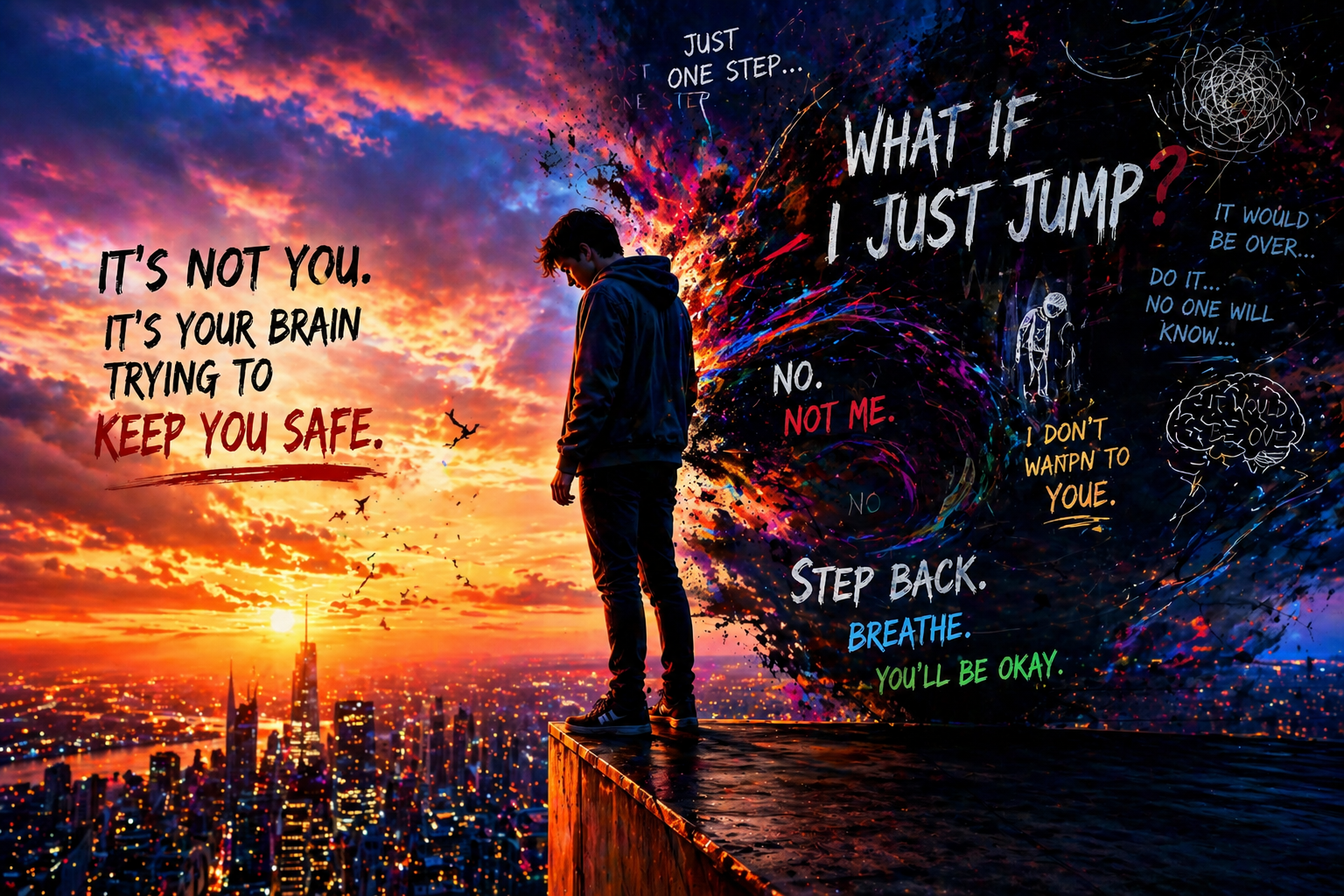
Call of the Void: Why Your Brain Tells You to Jump (The Terrifying Psychology Explained)
Have you ever stood on a high ledge or a train platform and had a sudden, intrusive thought to jump—even though you aren’t suicidal? It’s a common psychological glitch. This blog explains why the brain misinterprets a safety signal as an urge to do something wild. Read more
-
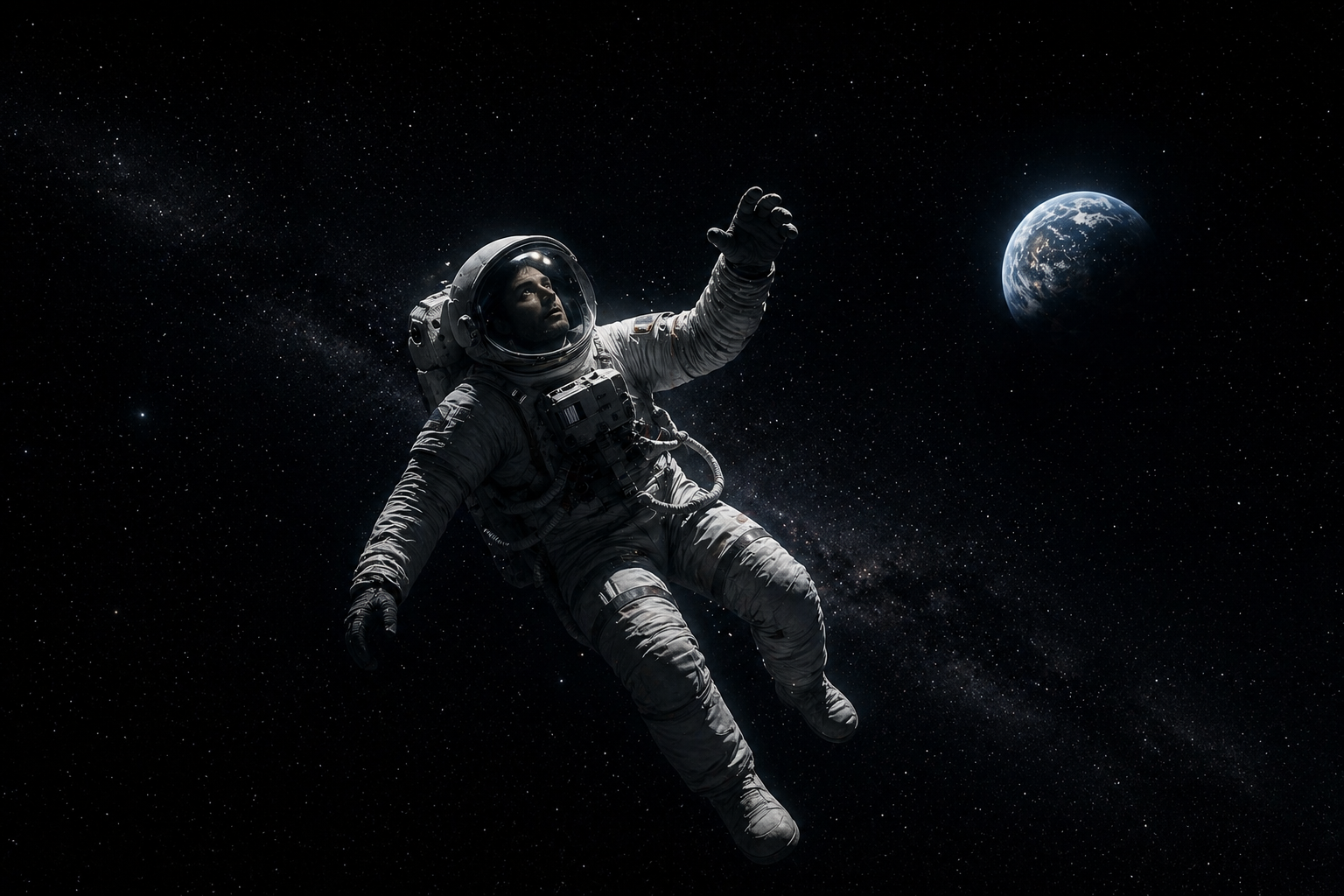
What Happens to Your Body in Space? (Real Science Explained)
Experience what truly happens to the human body in space as gravity disappears and every system begins to adapt. From fluid shifts and muscle loss to vision changes and radiation exposure, this detailed explanation reveals how space transforms the body and challenges human survival beyond Earth’s natural environment. Read more