
ALL STORIES
Every article, deep-dive, and discovery — fact-verified and written for minds that refuse to stop asking why. Filter by topic or scroll to explore.

-

Talking to the Dead: The Morally Grey World of AI “Griefbots”
What if you could text your dead mother goodnight? AI griefbots are making that possible — and millions are quietly doing it. But behind the comfort lies a morally complex world of consent, manipulation, and digital ghosts that never truly rest. Is this the future of grief, or a trap dressed as healing? Read more
-
 18 minutes
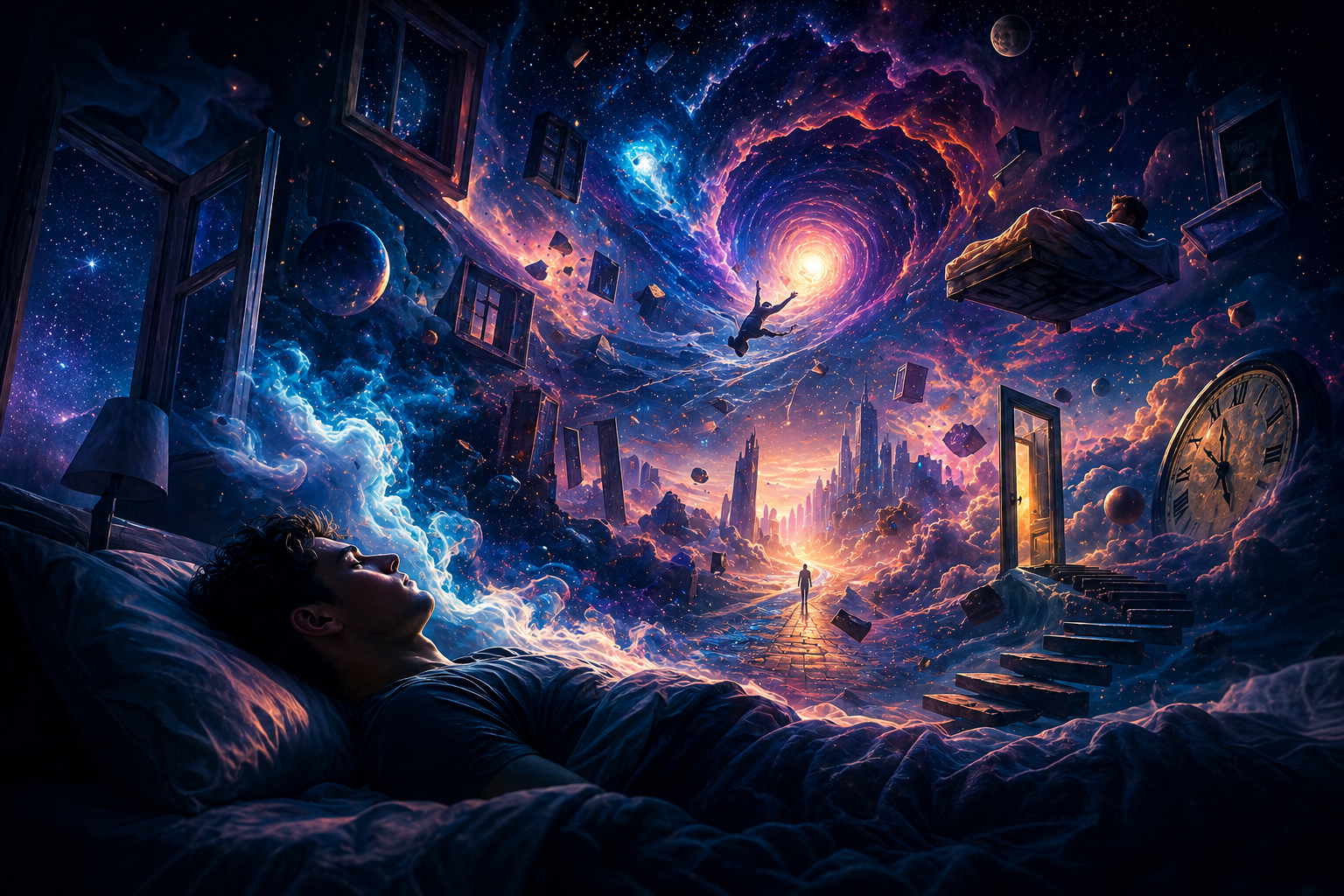
Why You Can’t Remember Your Dreams Clearly: Science Explained
You wake up holding a dream—vivid, emotional, almost real—only to watch it disappear within seconds. Why does the mind create entire worlds at night but fail to remember them by morning? Dive into the science behind why we forget dreams and uncover the hidden mechanics of your sleeping brain. Read more
-
 10 minutes
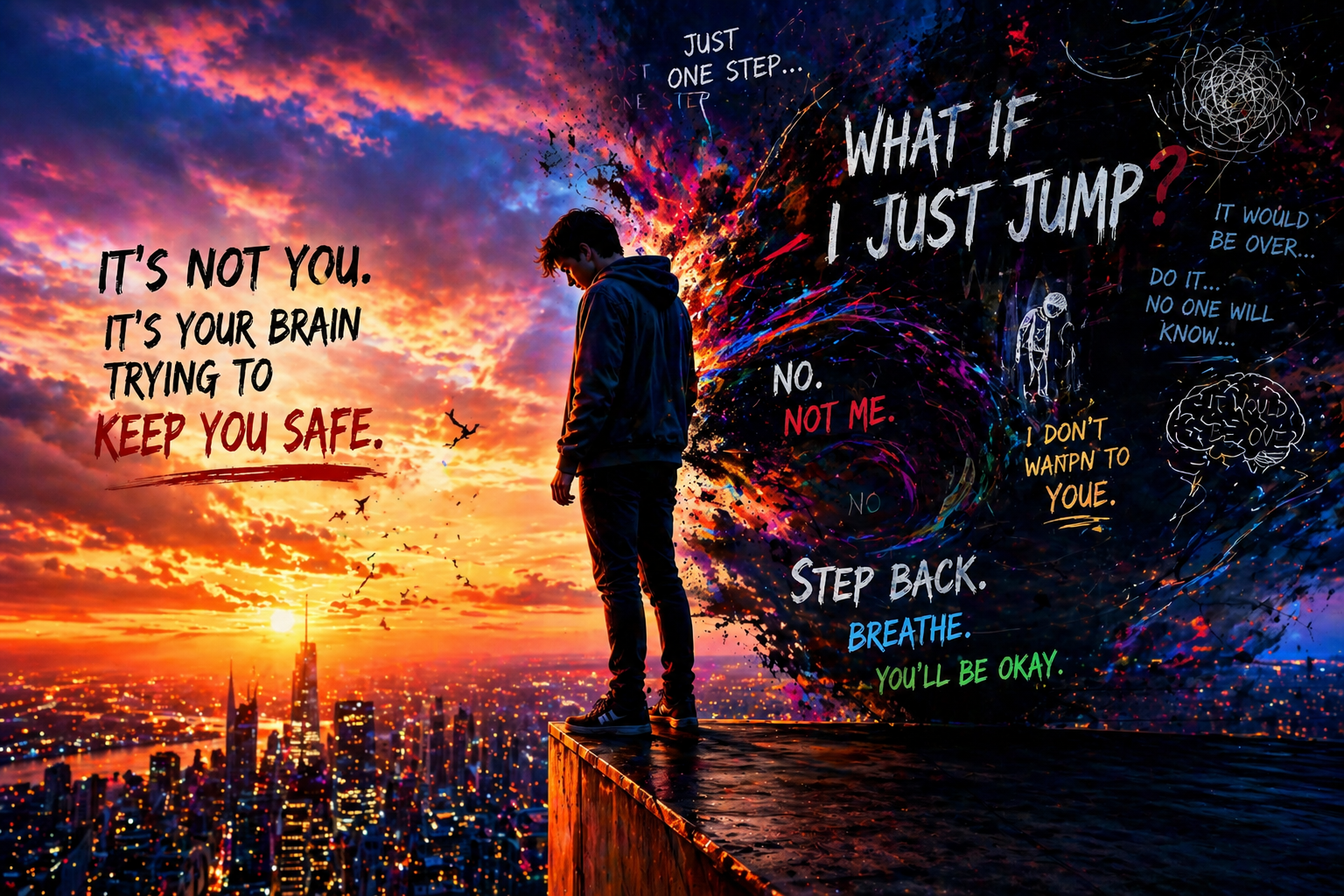
Call of the Void: Why Your Brain Tells You to Jump (The Terrifying Psychology Explained)
Have you ever stood on a high ledge or a train platform and had a sudden, intrusive thought to jump—even though you aren’t suicidal? It’s a common psychological glitch. This blog explains why the brain misinterprets a safety signal as an urge to do something wild. Read more
-
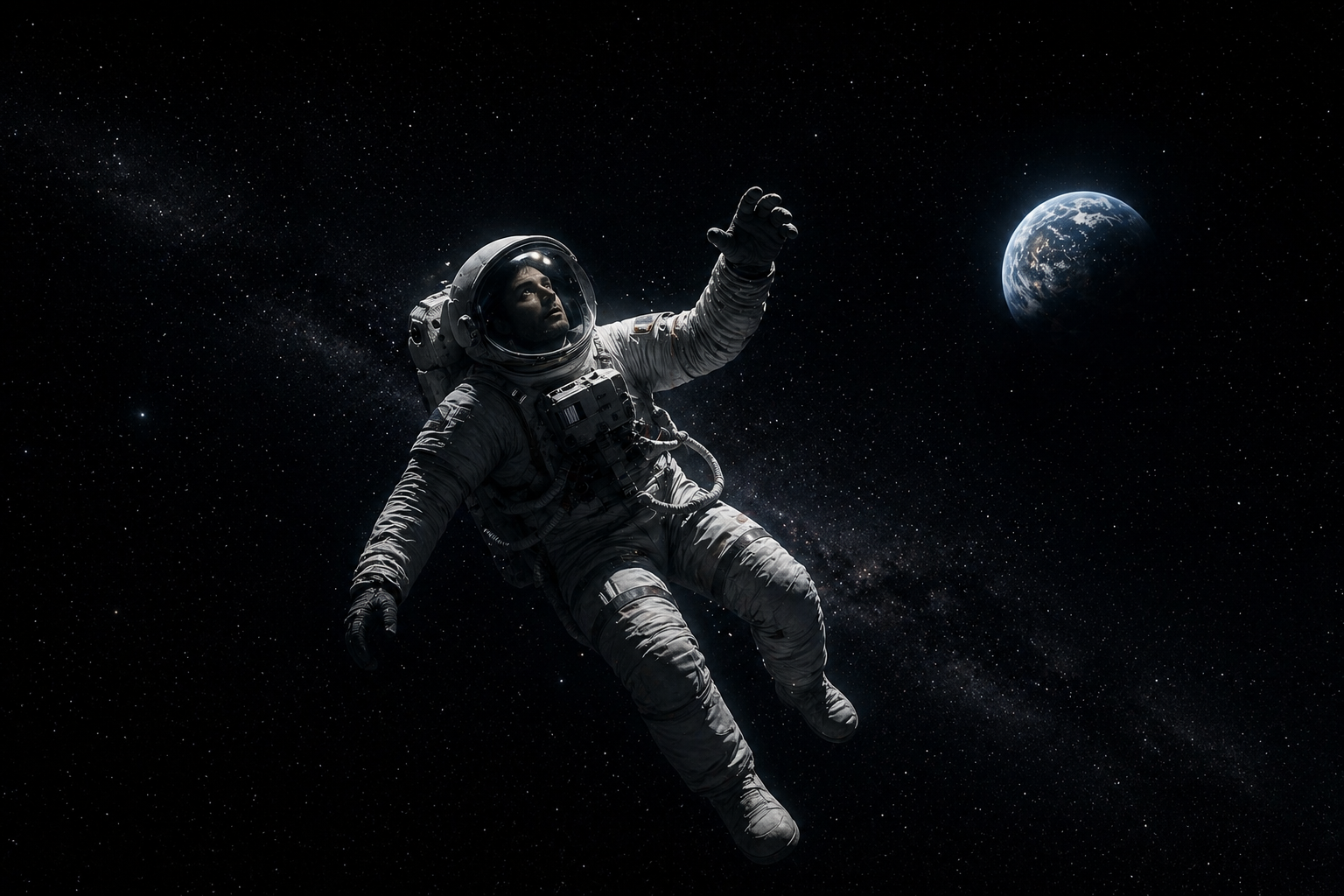
What Happens to Your Body in Space? (Real Science Explained)
Experience what truly happens to the human body in space as gravity disappears and every system begins to adapt. From fluid shifts and muscle loss to vision changes and radiation exposure, this detailed explanation reveals how space transforms the body and challenges human survival beyond Earth’s natural environment. Read more
-
 9 minutes
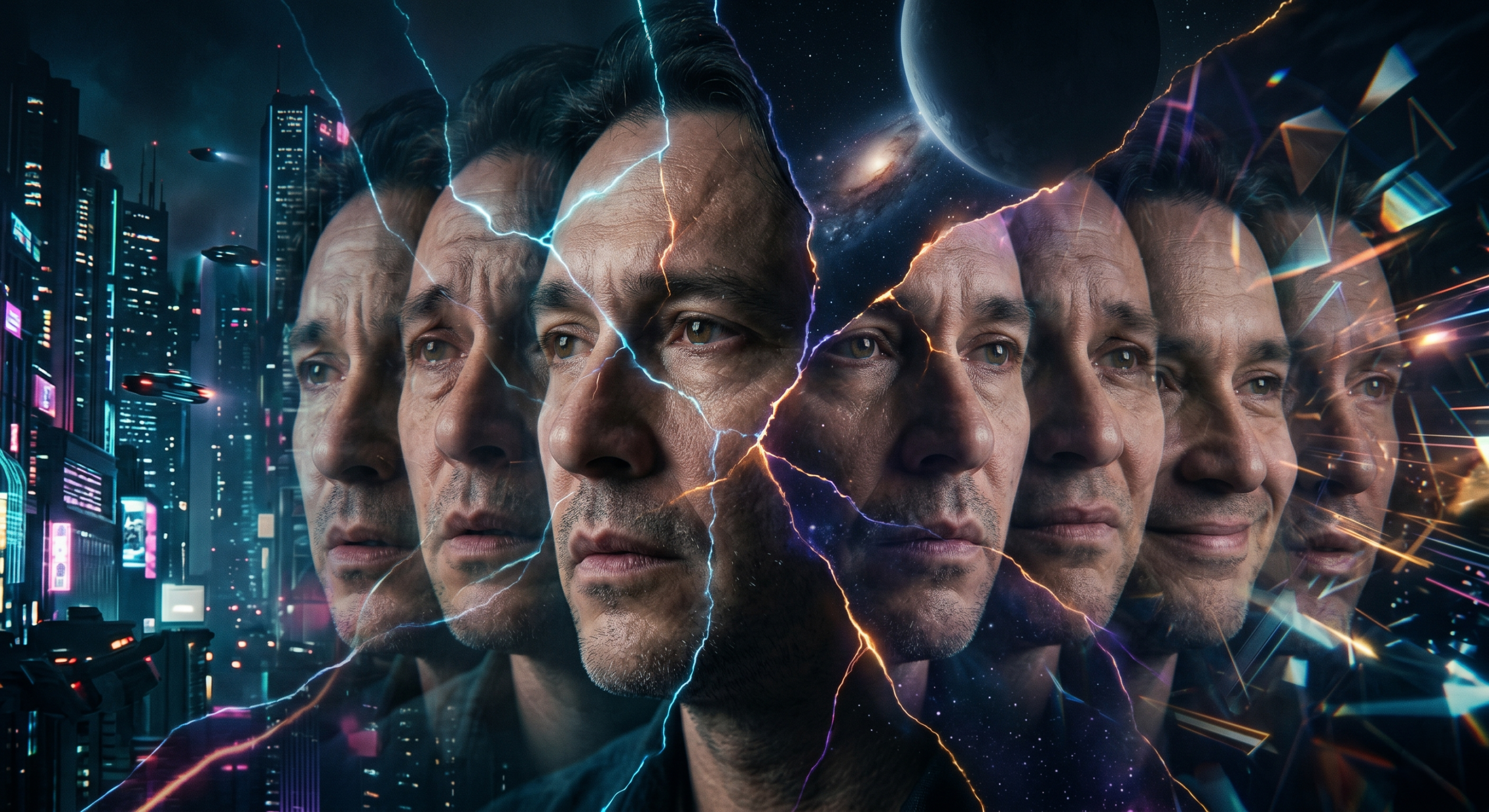
Is Parallel Universe Real? Physics Behind Multiverse Theory
Is the parallel universe theory real, or just a fascinating idea from physics? This article breaks down the science behind the multiverse, exploring quantum mechanics, cosmic inflation, and the possibility that multiple realities may exist beyond our universe. Read more
-
 7 minutes
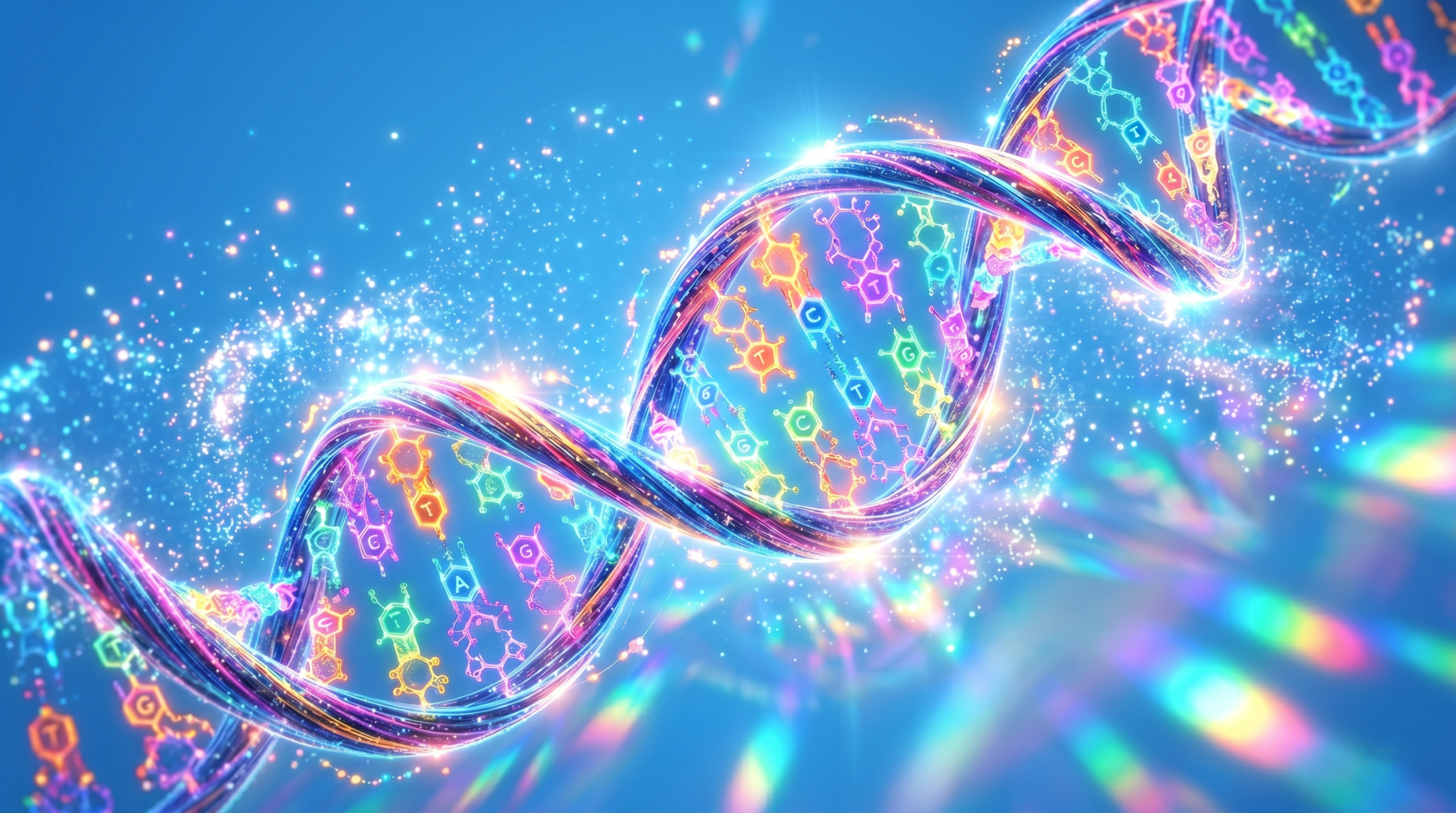
Could CRISPR Eliminate Hereditary Diseases Within a Generation? Scientists Are Closer Than Ever
CRISPR gene editing is transforming medicine by targeting the genetic roots of inherited diseases once thought untreatable. While eliminating all hereditary disorders within a generation remains unlikely, scientists are making remarkable progress against conditions like sickle cell disease and β-thalassemia, bringing humanity closer than ever to rewriting its genetic future. Read more
-
 8 minutes
The Fermi Paradox: Where Is Everybody?
The Fermi Paradox poses a haunting cosmic question: if the universe contains billions of galaxies and potentially habitable planets, why haven’t we found evidence of alien civilizations? From the mysterious Great Filter to the vast distances between stars, scientists continue searching for answers hidden within the universe’s unsettling silence. Read more
-
 7 minutes
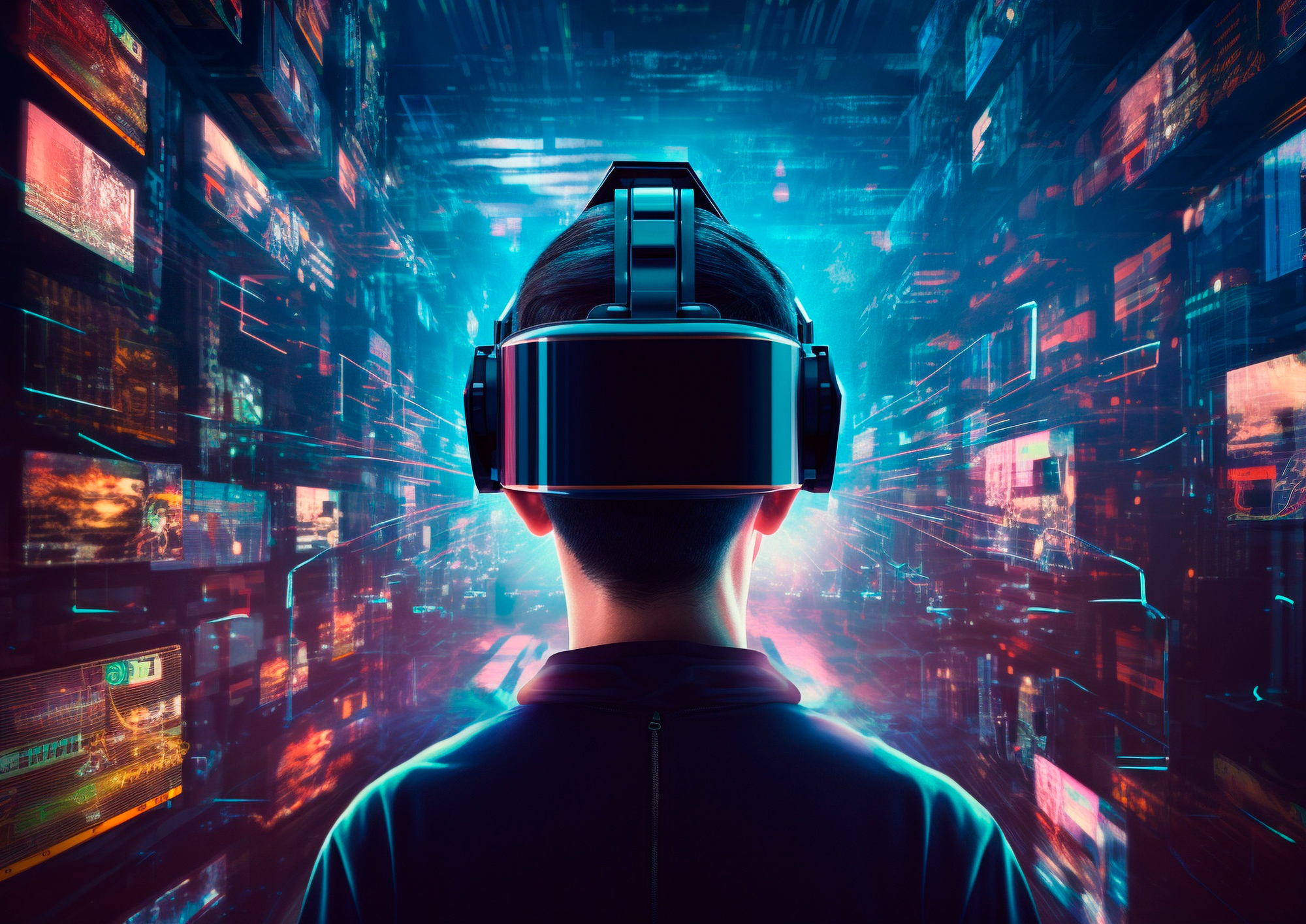
Why Scientists Believe We May Be Living in a Simulation
The simulation hypothesis suggests that reality might not be physical but computational, generated by advanced intelligence. Originating from philosophical arguments and fueled by rapid technological progress, this controversial idea challenges traditional views of existence. While still unproven, it continues to spark debate across physics, computing, and philosophy. Read more
-
 6 minutes
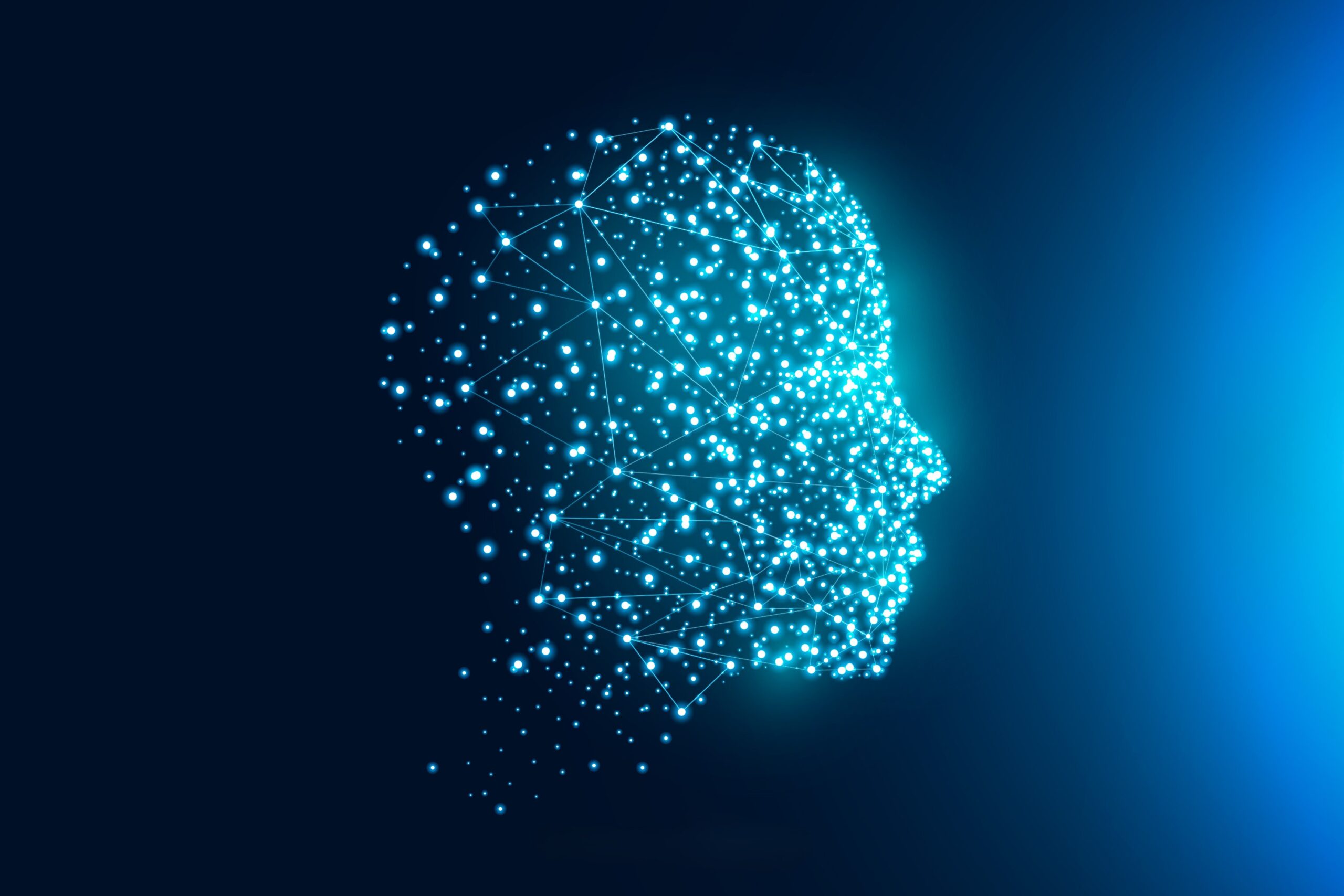
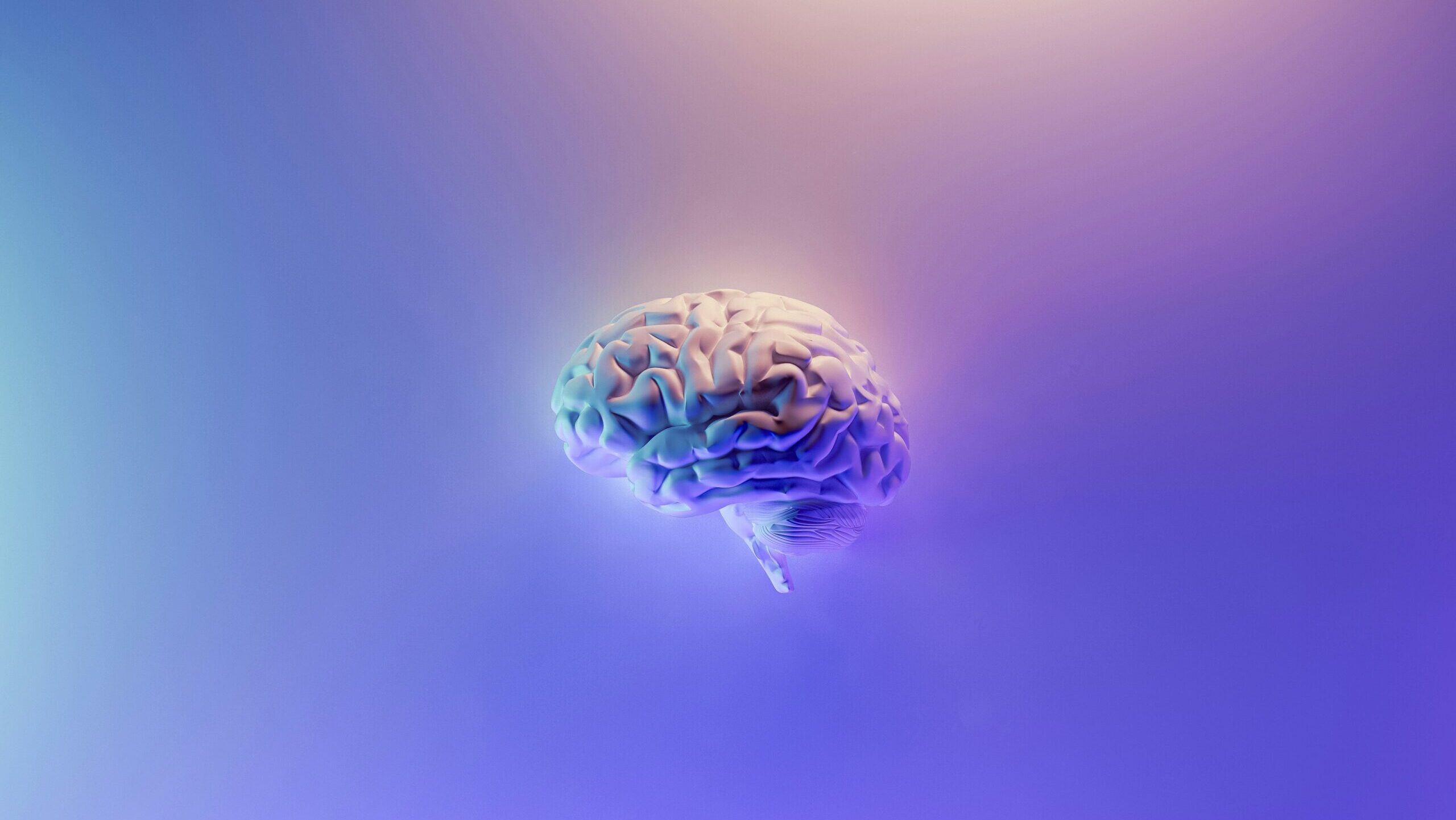
The Human Brain Has More Connections Than Stars in the Milky Way
The human brain contains trillions of connections—far more than the number of stars in the Milky Way galaxy. This astonishing comparison reveals just how complex our minds truly are. From neurons to synapses, scientists are uncovering how this vast network shapes memory, learning, intelligence, and even the fragile nature of human thought. Read more
-
 4 minutes
10 Science Facts That Will Make You Question Everything You Know
Discover 10 mind-bending science facts that challenge everyday assumptions and reveal the strange truths hidden inside our universe, bodies, and planet. From invisible microbes living within you to stars older than the Sun, these fascinating discoveries will spark curiosity and make you see reality in a completely new way. Read more
-
 8 minutes
The Ocean’s Twilight Zone Holds More Life Than We Ever Imagined
The ocean’s Twilight Zone, once thought nearly empty, is now emerging as one of Earth’s richest ecosystems. Scientists have discovered vast populations of fish, glowing predators, and massive daily migrations shaping ocean life and climate. This mysterious mid-ocean layer may hold far more biodiversity than humanity ever imagined. Read more
-
 7 minutes
Why the Cambrian Explosion Still Baffles Scientists 500 Million Years Later
The Cambrian Explosion, beginning around 541 million years ago, marked a dramatic surge in complex animal life that still puzzles scientists today. From rising oxygen levels to genetic innovations, researchers debate multiple causes—but no single explanation fully solves the mystery behind this remarkable turning point in Earth’s evolutionary history. Read more
-
 7 minutes
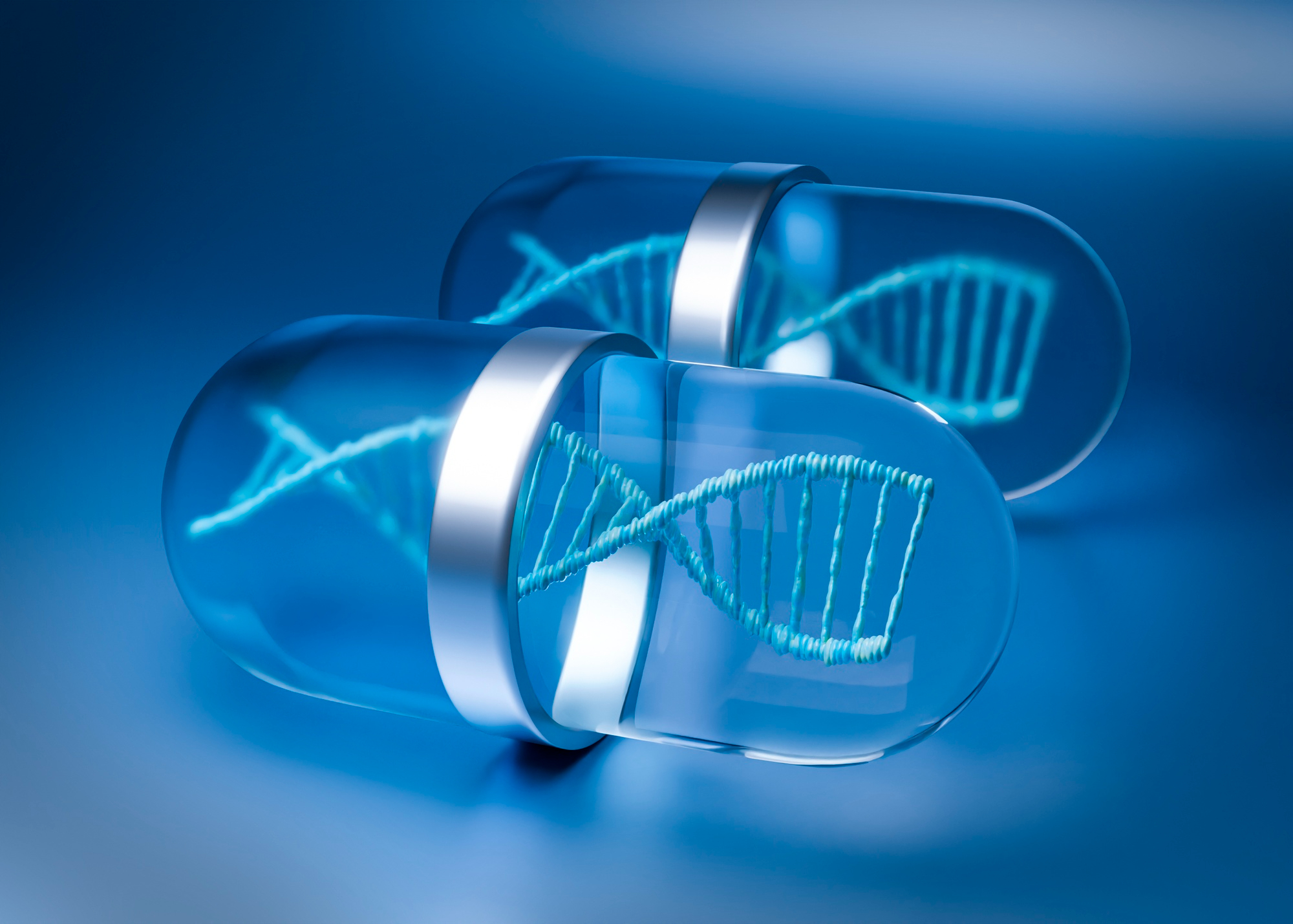
CRISPR 2.0: Gene Editing Without Breaking the DNA Strand
CRISPR 2.0 represents a major leap in gene editing technology, allowing scientists to modify DNA without breaking both strands. Developed through breakthroughs in base editing and prime editing since 2016, this next-generation approach promises safer genetic corrections and new treatments for inherited diseases once considered untreatable. Read more
-

How Large Language Models Are Accelerating Drug Discovery by 10×
Large Language Models are transforming drug discovery by analyzing massive biological data, designing molecules, and predicting drug safety faster than ever before. With major companies investing billions and AI-designed drugs already entering clinical trials, this technology is reshaping how medicines are discovered, tested, and developed across global research laboratories. Read more
-
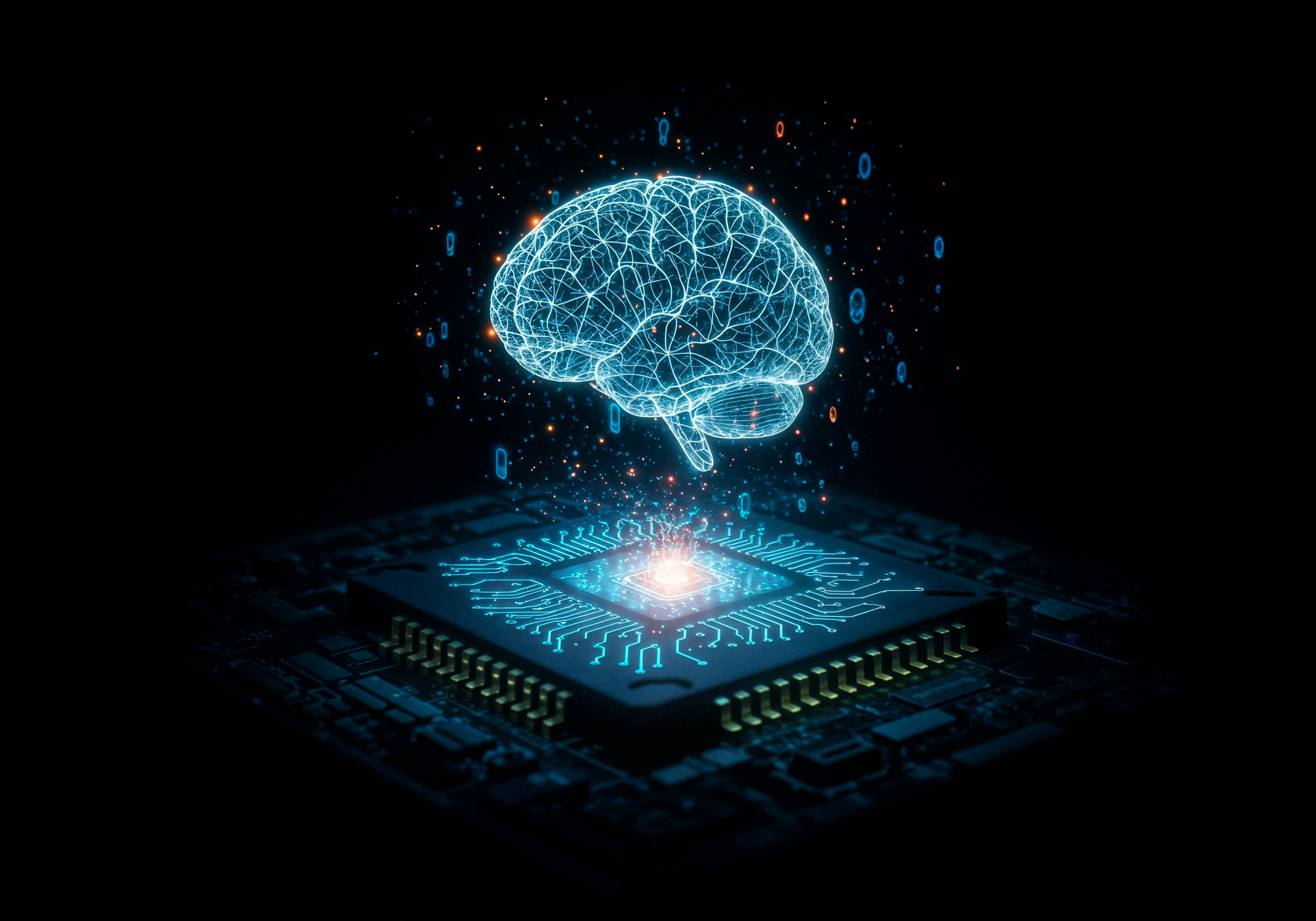
The Rise of Neuromorphic Chips Designed to Think Like Neurons
Neuromorphic chips are redefining the future of computing by mimicking the behavior of biological neurons. Designed to process information through brain-like signals, these chips promise faster learning, lower power consumption, and real-time adaptability. As traditional computing approaches its limits, neuromorphic technology may become the foundation of next-generation intelligent systems. Read more
A day on Venus is longer than a year on Venus. It takes 243 Earth days to rotate once, but only 225 Earth days to orbit the Sun.