
-
 3–4 minutes
Why Walking Through a Door Makes You Forget
You walk into a room with total purpose, and the moment you cross the threshold, your reason for being there vanishes. This isn’t a memory failure — it’s the doorway effect, a real psychological quirk where your brain treats a doorway as a chapter break. Here’s the surprising science, and how to outsmart it. Read more
-
 3–4 minutes
Why We Can’t Remember Being Babies
You laughed, learned to walk, and recognised your mother’s face — none of it survives in memory. Nearly everyone forgets their first three years completely. Here’s the surprising neuroscience of infantile amnesia, why a growing brain quietly overwrites its earliest memories, and what a mouse study revealed about those lost years. Read more
-
 3–4 minutes
Why You Cant Tickle Yourself
Run your fingers along your own ribs and… nothing. Yet another person’s touch sends you squirming. Why? Your brain predicts your every self-made move and quietly cancels the sensation before it lands. Here’s the strange neuroscience of ticklishness — and what it reveals about how your mind tells you apart from the world. Read more
-
 5–7 minutes
The Baader-Meinhof Phenomenon Explained
You learn a word once, then see it everywhere for a week. It feels like a sign. It’s actually your brain quietly rewiring its filters — and the real story behind it is stranger than the coincidence itself. Read more
-
 7–11 minutes
Why Time Feels Like It Speeds Up As You Age — And How to Slow It Down
Somewhere in your thirties, a year starts feeling like a month. Scientists now know exactly why — and it has less to do with getting older and more to do with what your brain decides is worth remembering. The answer is both unsettling and strangely hopeful. Read more
-
 6–9 minutes
The Science of Near-Death Experiences — What Is the Brain Actually Doing?
Somewhere between cardiac arrest and resuscitation, people see their own bodies from the ceiling, travel through tunnels of light, and meet the dead. Neurologists have mapped the brain in those exact moments — and what they found is stranger than any supernatural explanation. The science of near-death experiences is only just beginning. Read more
-
 3–5 minutes
Psychic Numbing — Why a Million Deaths Feel Like a Statistic But One Story Breaks You
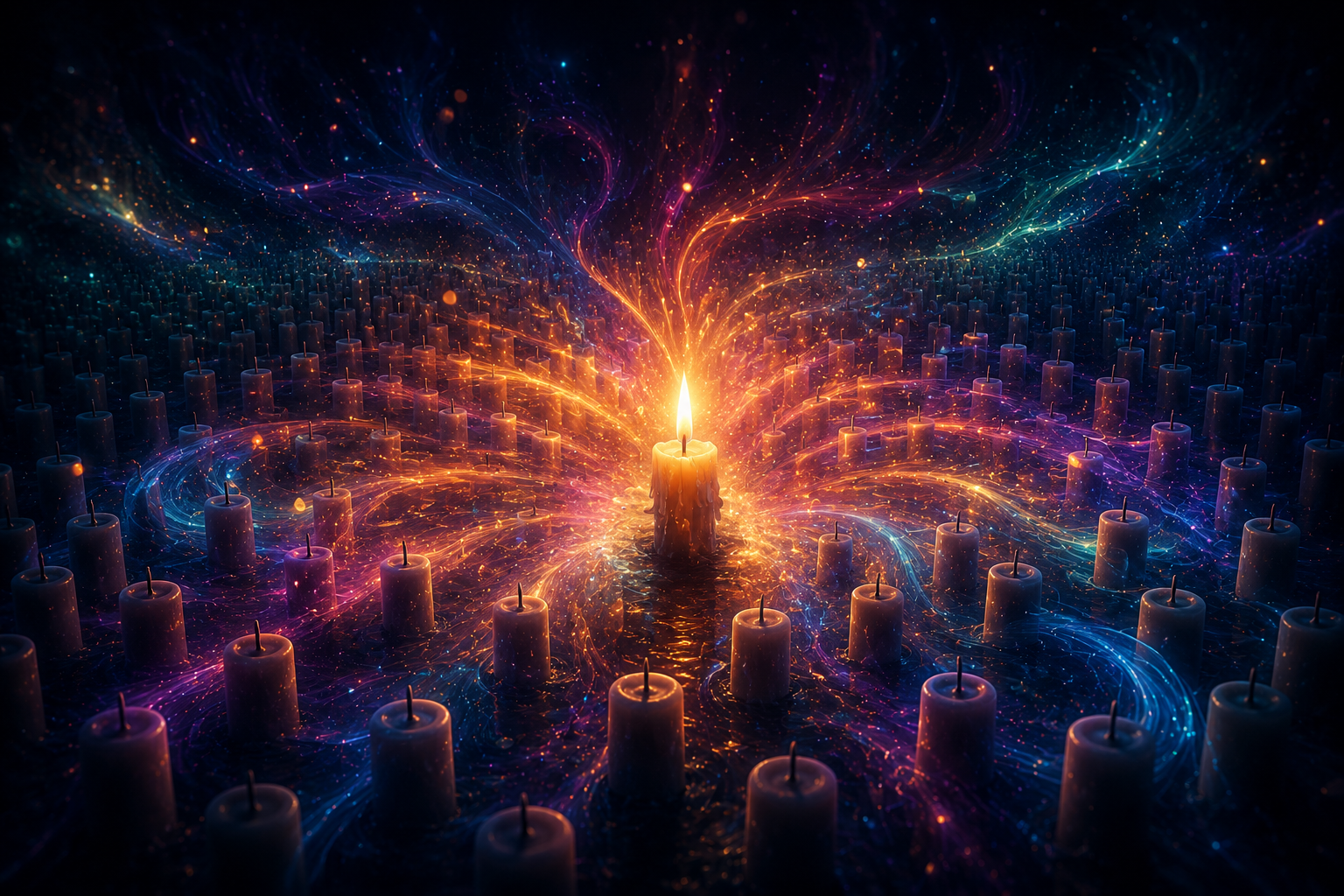
In a famous experiment, researchers showed people a starving child’s photograph — and donations poured in. Then they added a statistic: seven million children like her are dying. Donations dropped by half. The scale didn’t multiply compassion. It erased it. This is psychic numbing, and it has been quietly shaping every war, every disaster, and… Read more
-
 4–7 minutes
Why Everything Starts to Feel the Same — The Psychology of a Flattening Life
You’re not sad. You know that much. It’s more like someone has slowly been turning down the volume on your life — things that once sparked something just don’t anymore. It’s not cynicism, not depression, not age. It’s a brain that has quietly, efficiently, and completely solved you. Read more
-
 5–8 minutes
Why Your Brain Replays Rejection Like a Broken Record
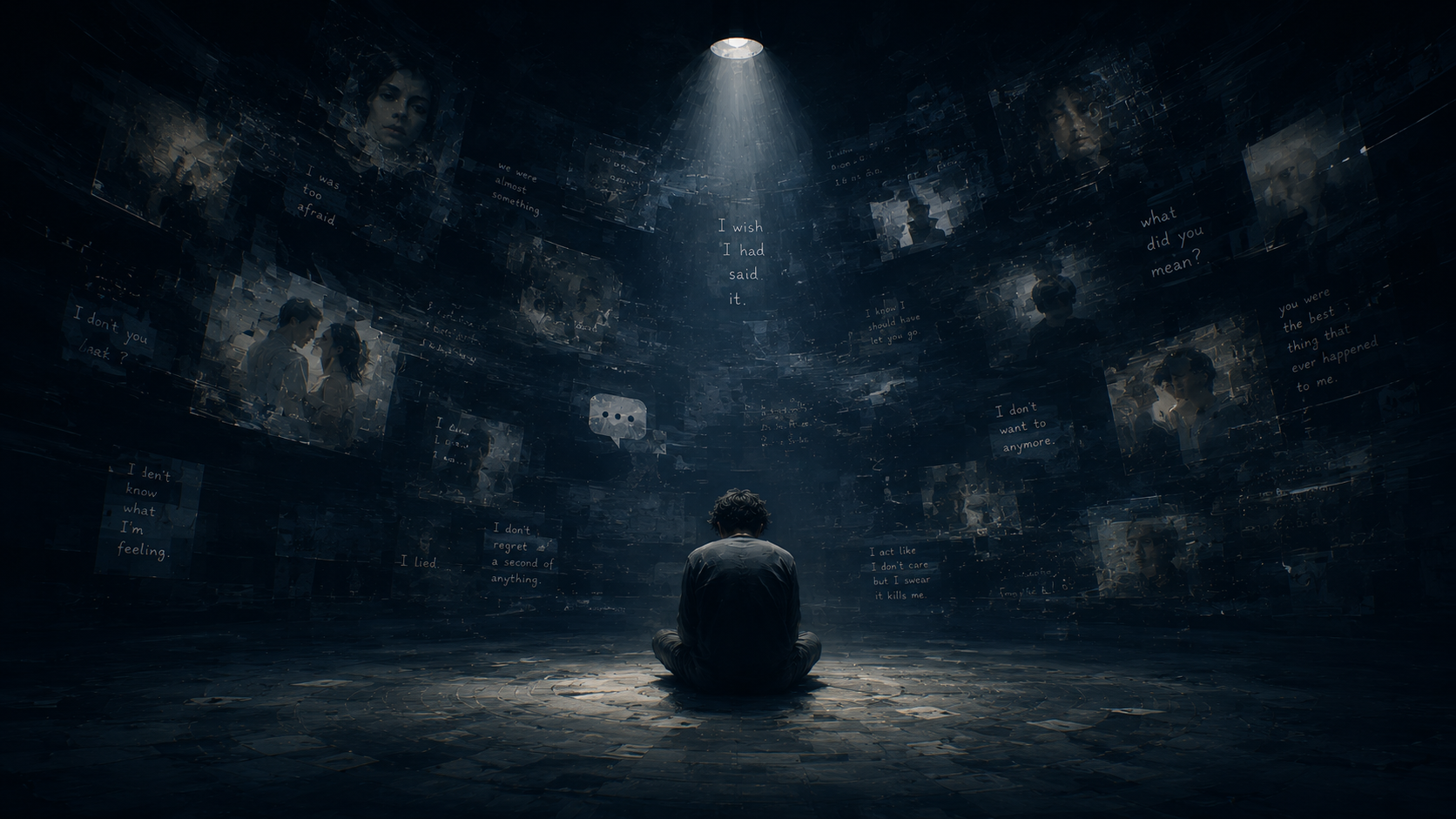
You got rejected weeks ago. You’ve moved on — or so you think. Then it’s 2am and your brain is replaying the whole thing in perfect detail, frame by frame, like it just happened. That’s not weakness. That’s your brain running ancient survival software it was never designed to switch off. Read more
-
 7–11 minutes
Sleep Deprivation at 11 Days — What Happens to a Human Body Pushed to the Absolute Limit
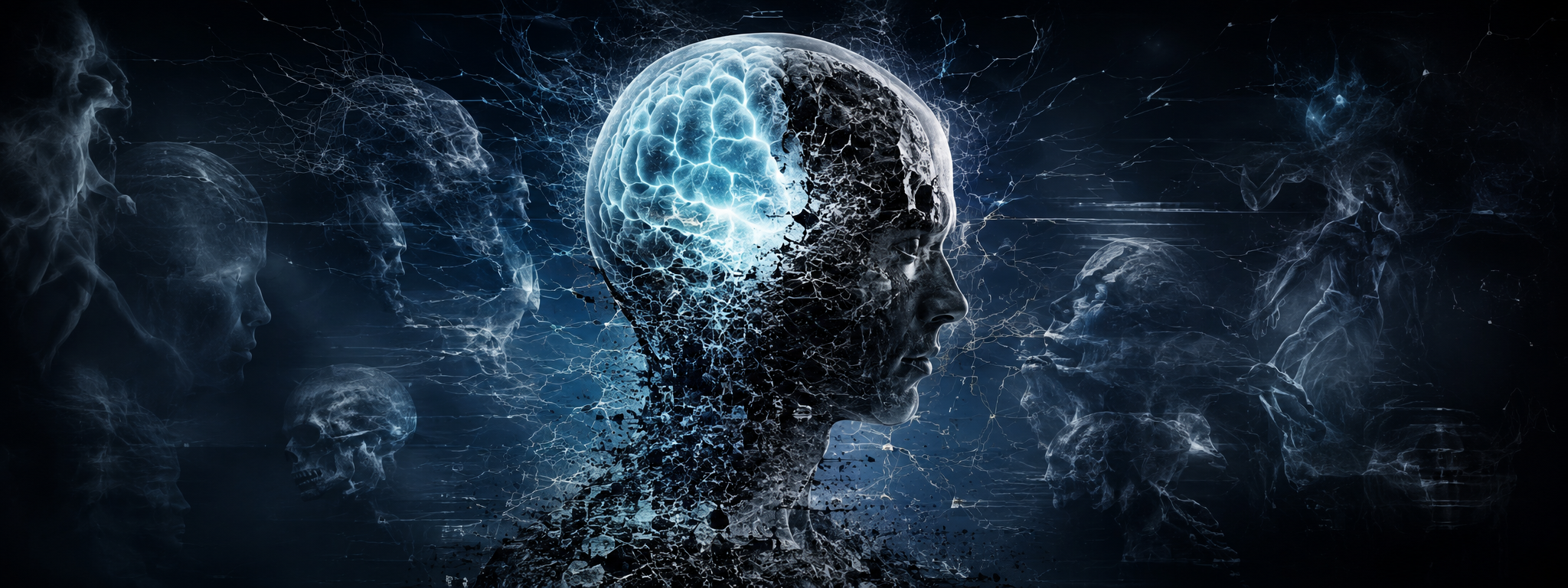
In 1964, a seventeen-year-old named Randy Gardner stayed awake for 264 hours — eleven straight days. What happened to his body and mind along the way is one of the most disturbing demonstrations in science of just how fragile human consciousness really is. Here’s the full story, stage by stage. Read more