
-
 3–4 minutes
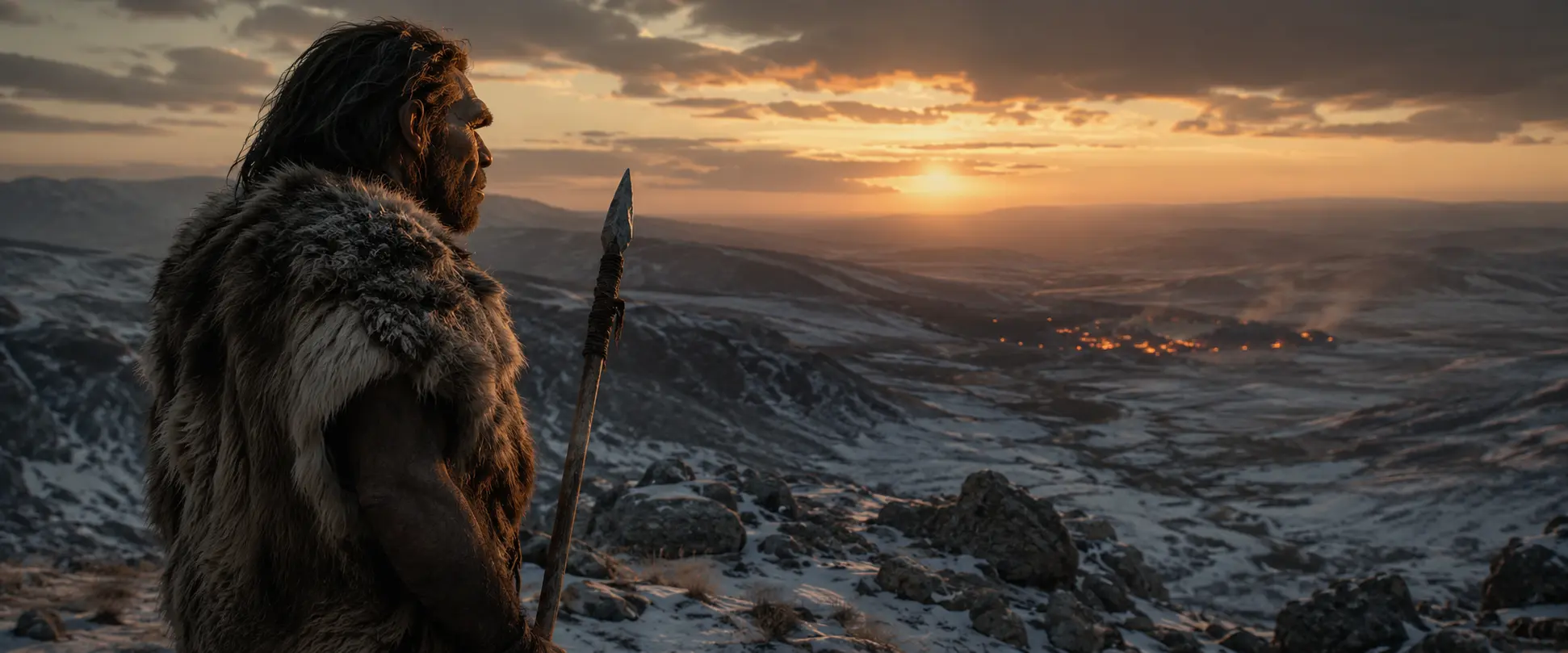
Why Neanderthals Went Extinct: A Surprising New Answer
They survived ice ages, competed with lions, and buried their dead — then vanished 40,000 years ago. For a century we blamed the cold. But a 2026 study points somewhere unexpected: not brains or brawn, but the fragile web of Neanderthal social ties. Here’s the surprising new answer, and the very human lesson it carries. Read more
-
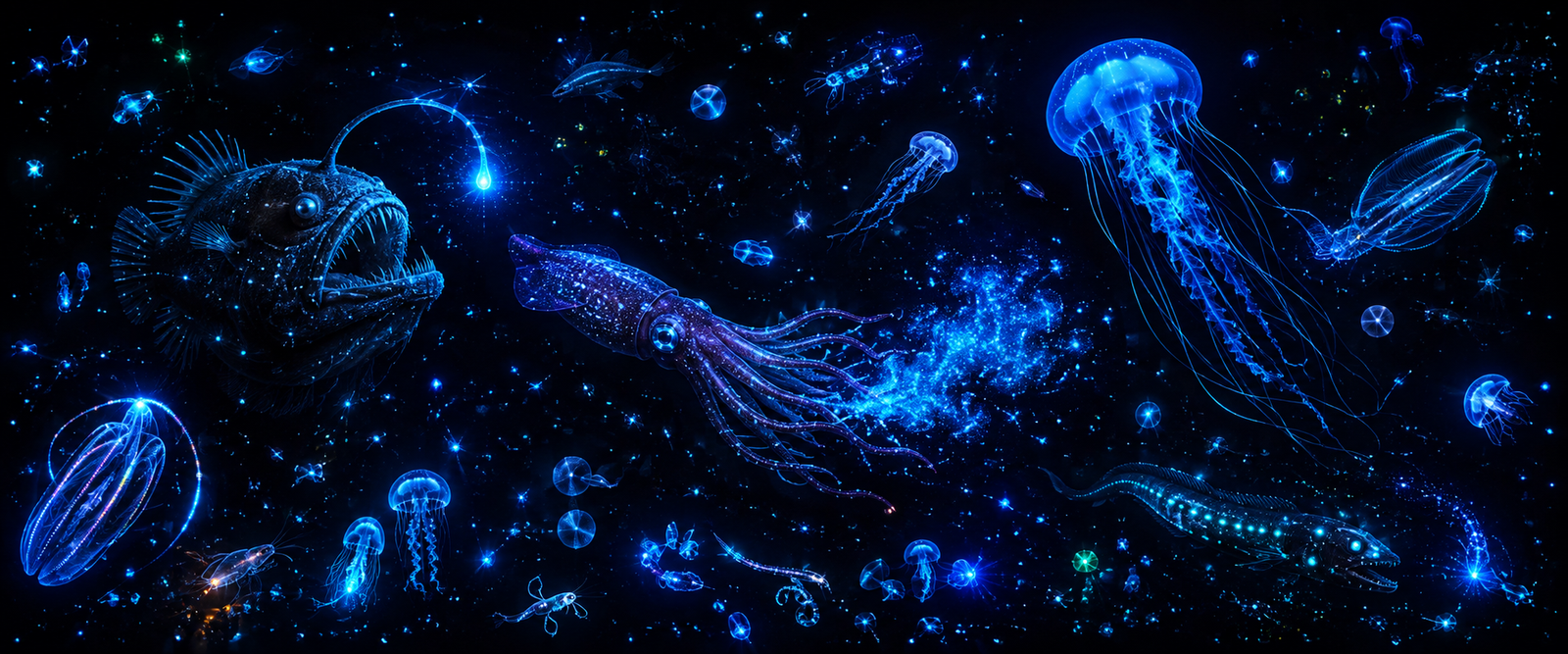
Why Bioluminescence Evolved Independently So Many Times
Below 700 metres, glowing isn’t rare — it’s the default, and most animals down there make their own light. Stranger still, this ability didn’t evolve once and spread. Life invented it from scratch, over and over, at least ninety separate times. The reason why says something profound about evolution itself. Read more
-
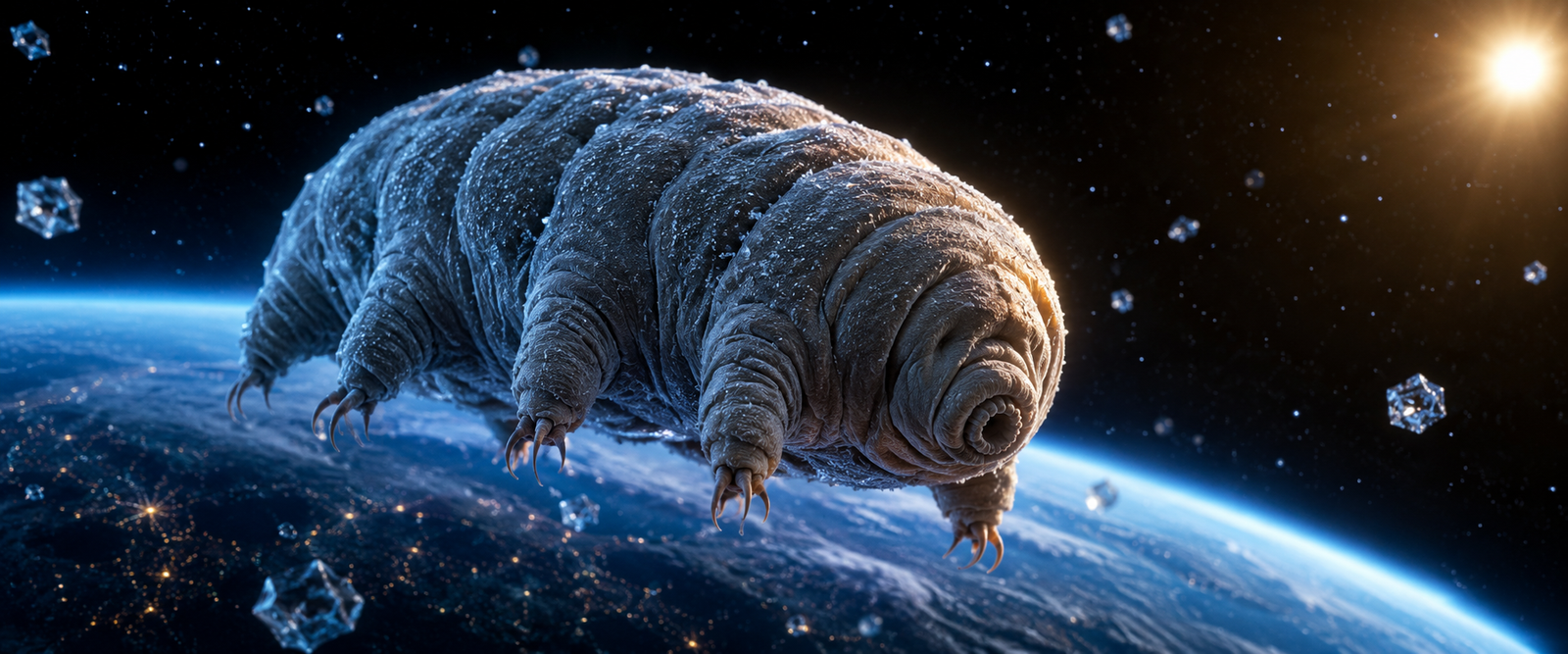
Tardigrades: The Animal That Can Survive Almost Anything
In 2007, scientists opened a satellite hatch and exposed thousands of microscopic animals directly to the raw vacuum of space. Ten days later, most of them simply woke up, and several went on to lay eggs that hatched normally. The reason is stranger than toughness — it’s closer to a pause button. Read more
-
 8–13 minutes
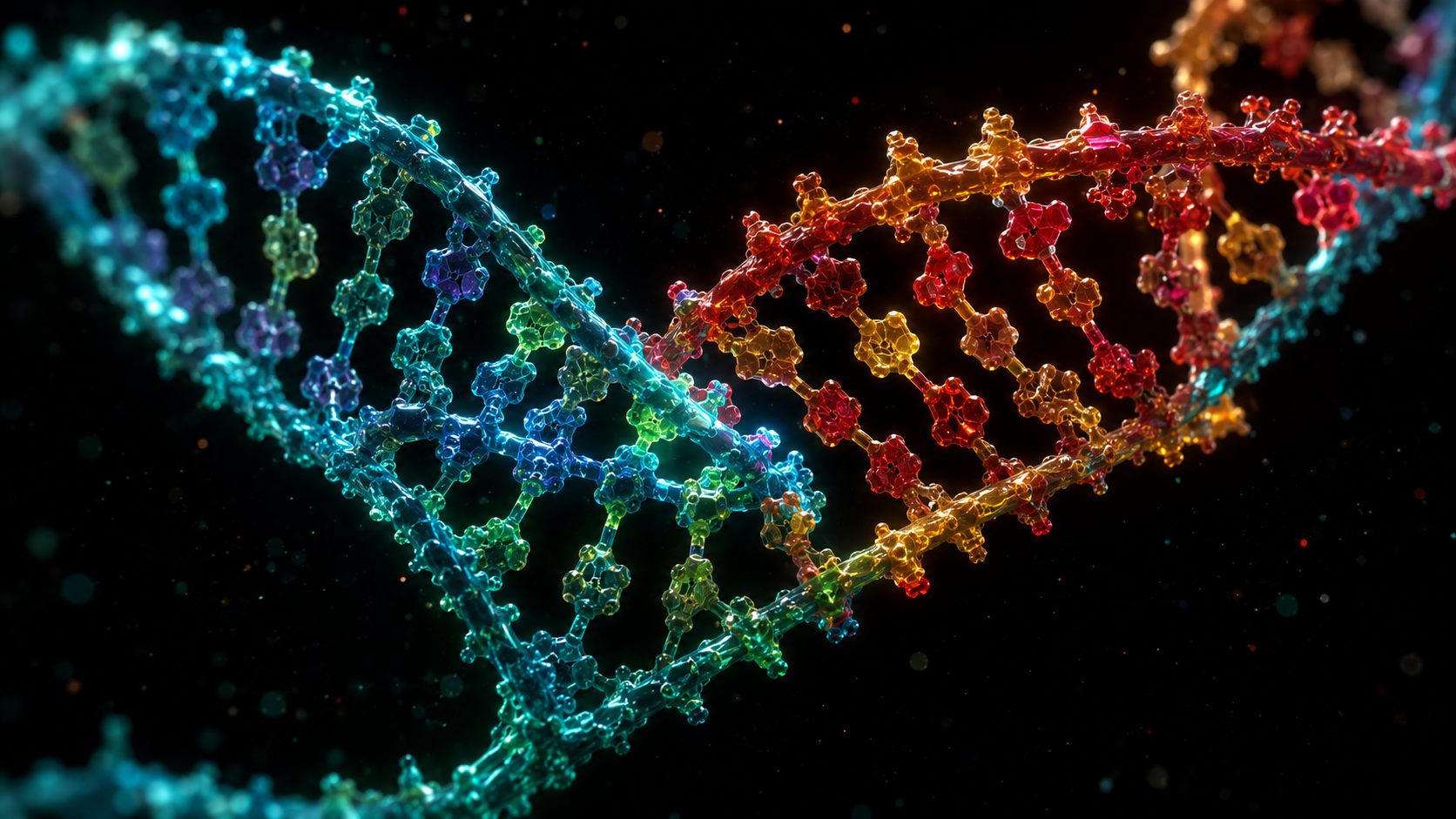
A Self-Replicating Molecule Was Created in a Lab — And It Changes Everything About Life’s Origin
Four billion years ago there was no life on Earth. Then there was. Something in the chemistry of the early planet crossed a threshold — and a new 2026 discovery in Cambridge may finally show us what that something was: a single RNA molecule that figured out how to copy itself, without any biological help… Read more
-
 6–9 minutes
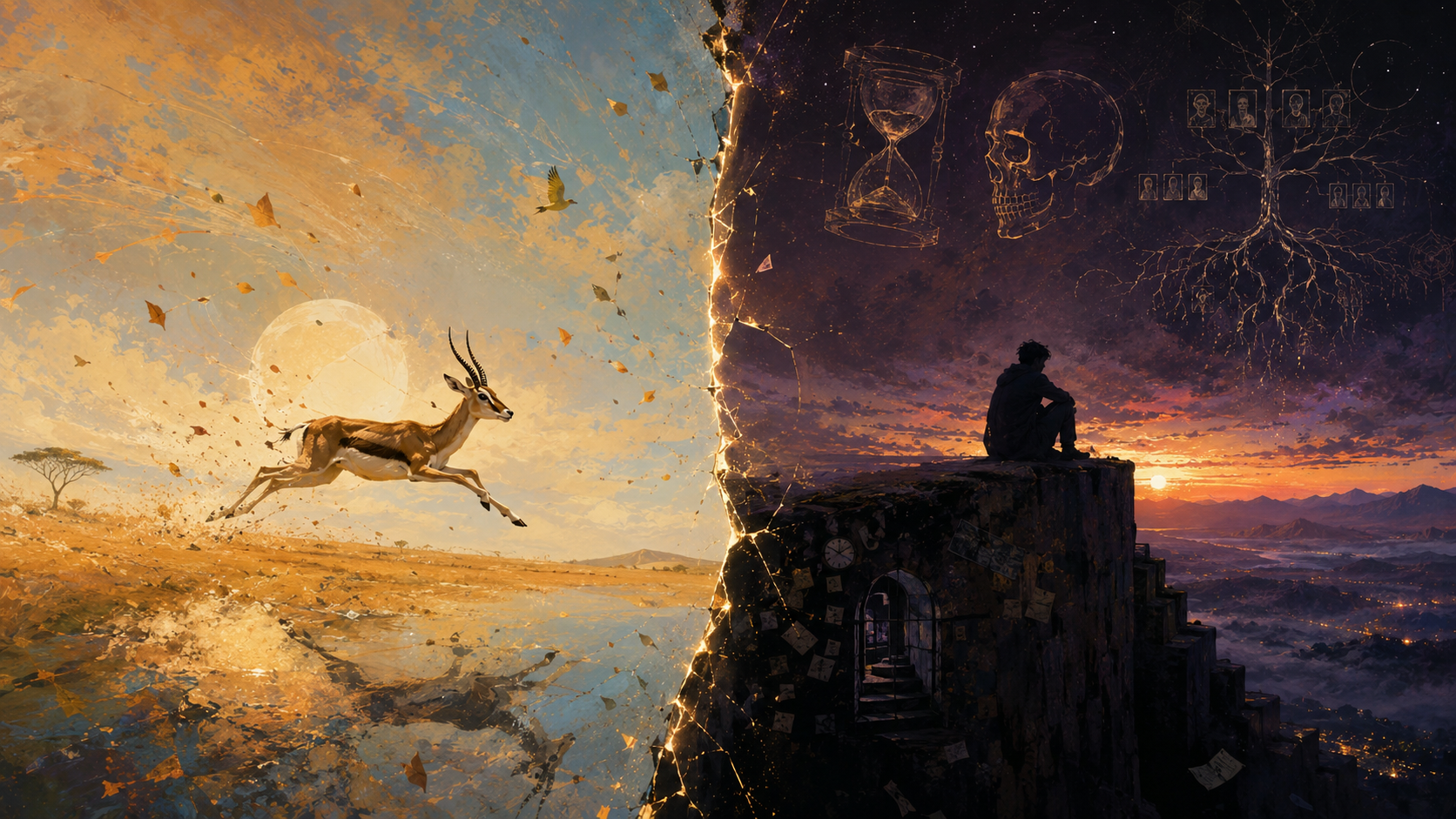
Why Humans Fear Death Differently Than Any Other Animal
A gazelle fleeing a lion is terrified of dying. But the moment the chase ends, it grazes and moves on. You cannot do that. You have thought about your own death today — not because something is chasing you, but because you simply know. That knowledge is the strangest and most consequential thing that separates… Read more
-
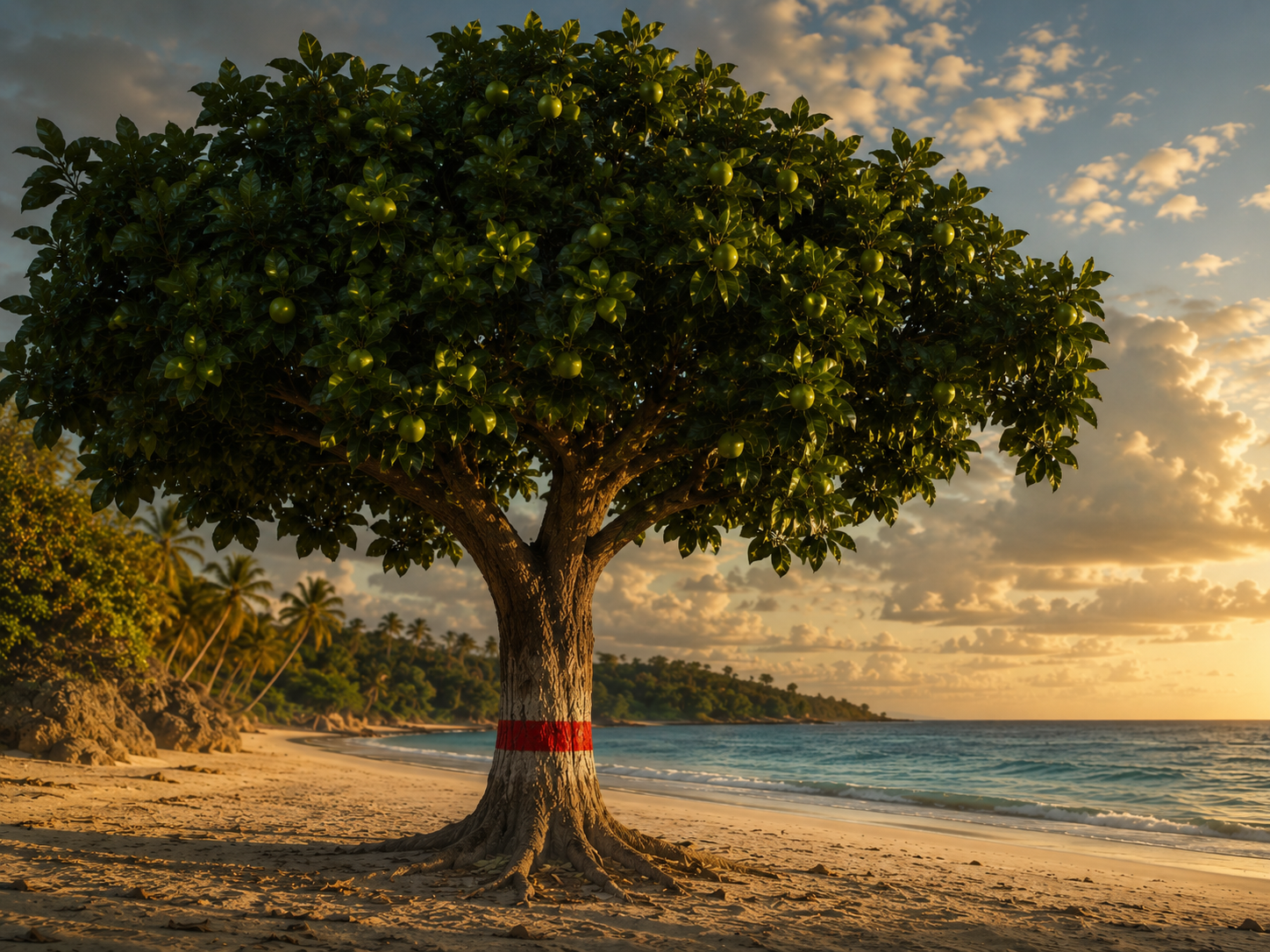
The Tree That Kills Everything Around It — The Manchineel’s Toxic Secret
On a postcard-perfect Caribbean beach, a radiologist bit into a sweet-smelling green fruit and felt her throat close within seconds. She had wandered into the shade of the deadliest tree on Earth — a beautiful, glossy-leafed killer that blisters skin with its rain and hides its secret in plain sight. Read more
-
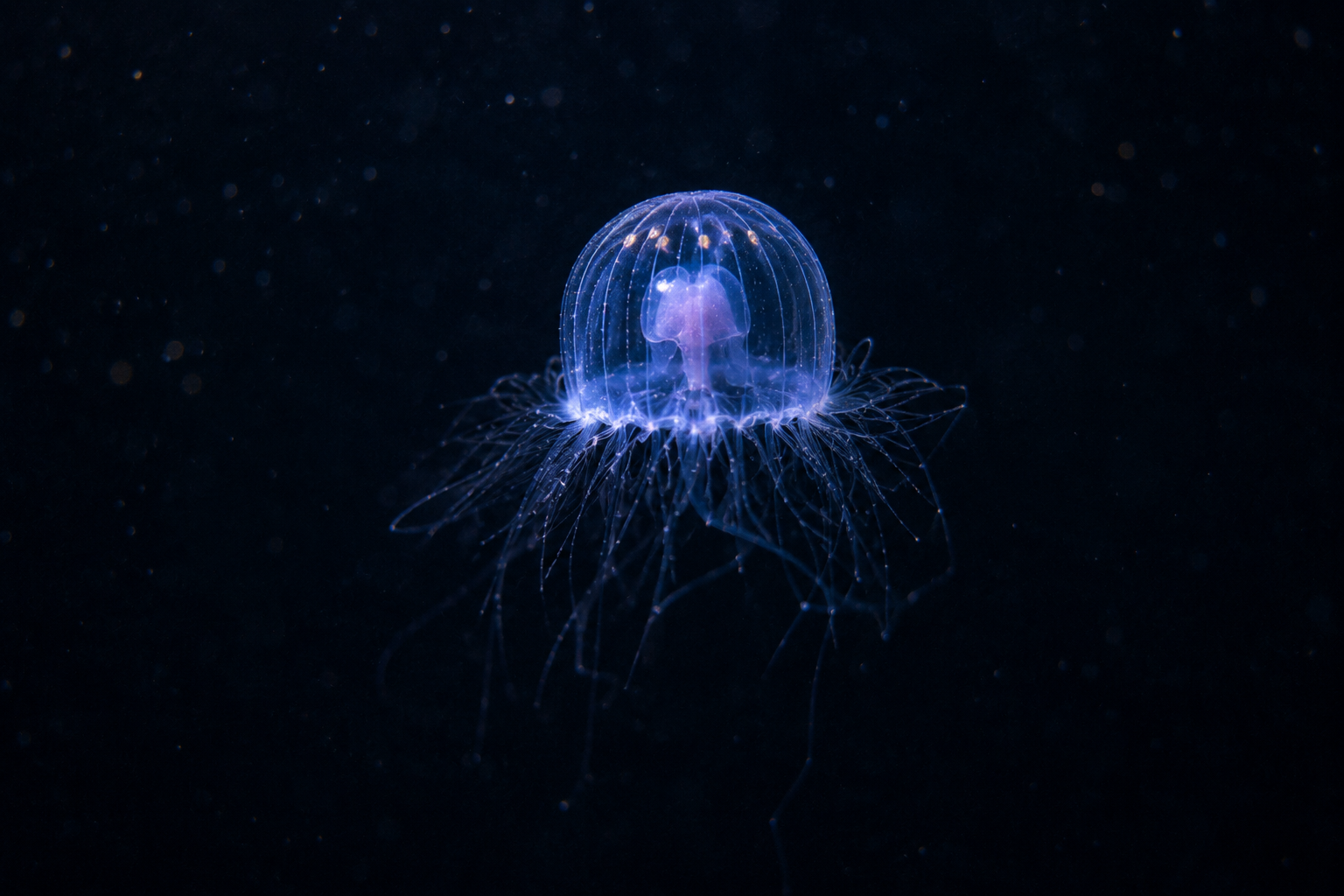
The Immortal Animal — Why the Turritopsis Jellyfish Refuses to Die
There is an animal alive right now that can reverse its own ageing — not slow it, not pause it, but run it completely backwards. Turritopsis dohrnii is smaller than a fingernail and potentially immortal. The cellular mechanics behind what it does are stranger, and far more significant, than almost anyone realises. Read more
-
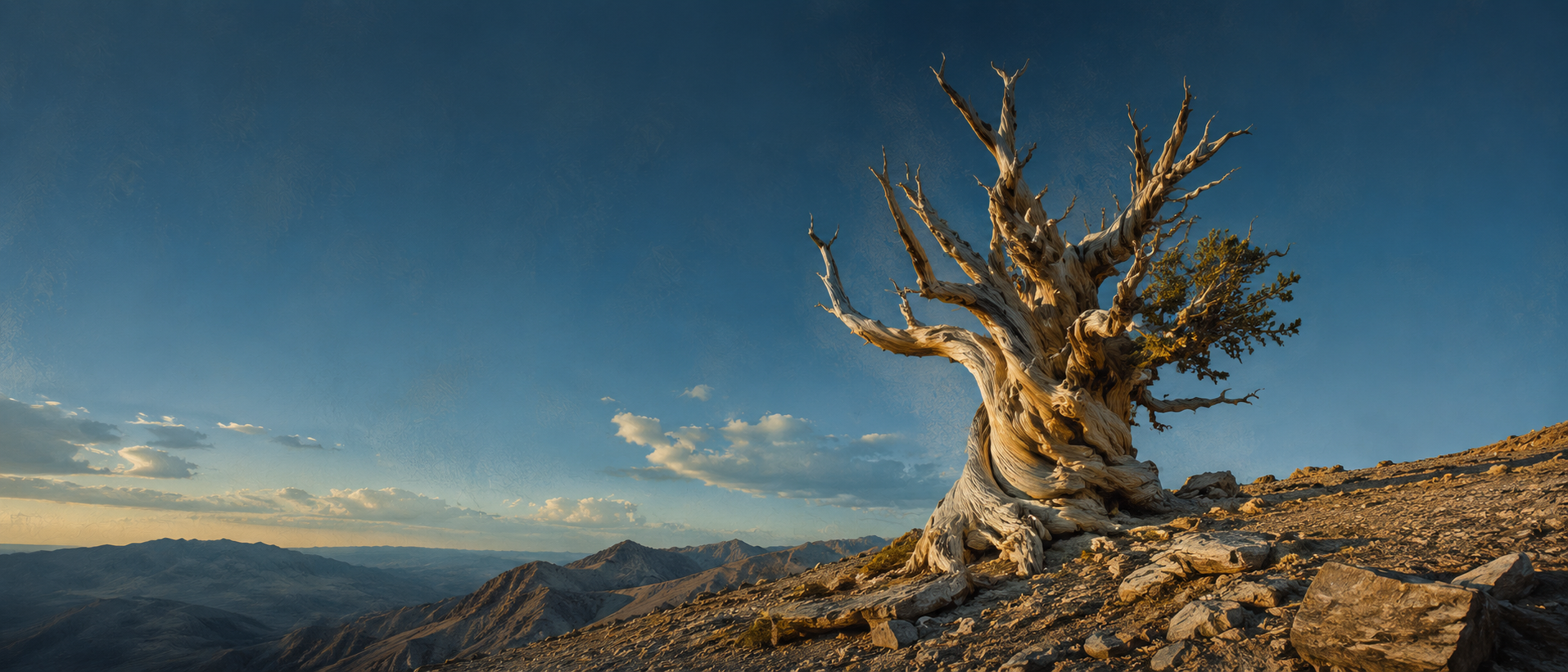
The Tree That Can Live 5,000 Years — And What It Remembers
There’s a tree alive right now that was already ancient when the pyramids were built. It has no memory — and yet locked inside its rings is a physical record of 5,000 years of Earth’s history. Methuselah doesn’t know what it’s witnessed. But the wood does. Read more
-
 6–9 minutes
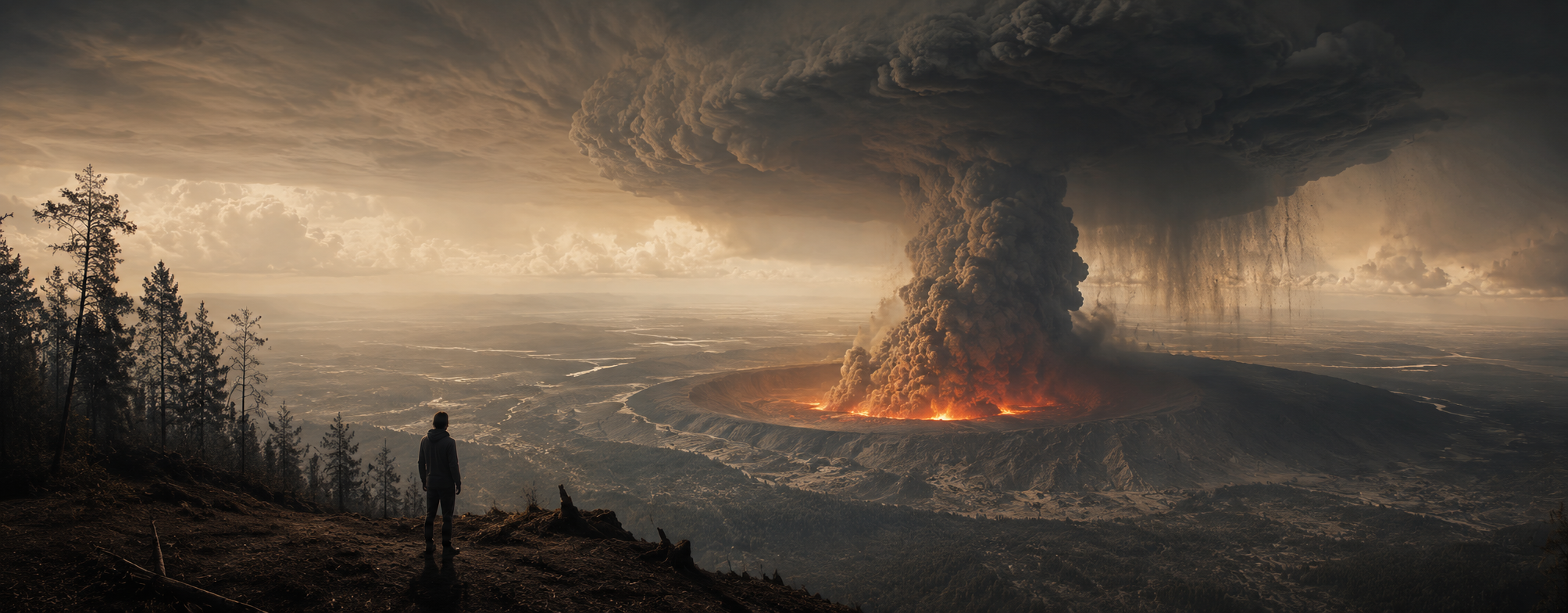
Toba Catastrophe Theory: How One Volcanic Eruption Almost Erased Humanity
Seventy-four thousand years ago, a supervolcano on Sumatra erupted with enough force to plunge Earth into a volcanic winter. The Toba catastrophe theory suggests it nearly wiped out our entire species — reducing all of humanity to perhaps a few thousand survivors. Every human alive today may owe their existence to that impossibly thin thread. Read more
-
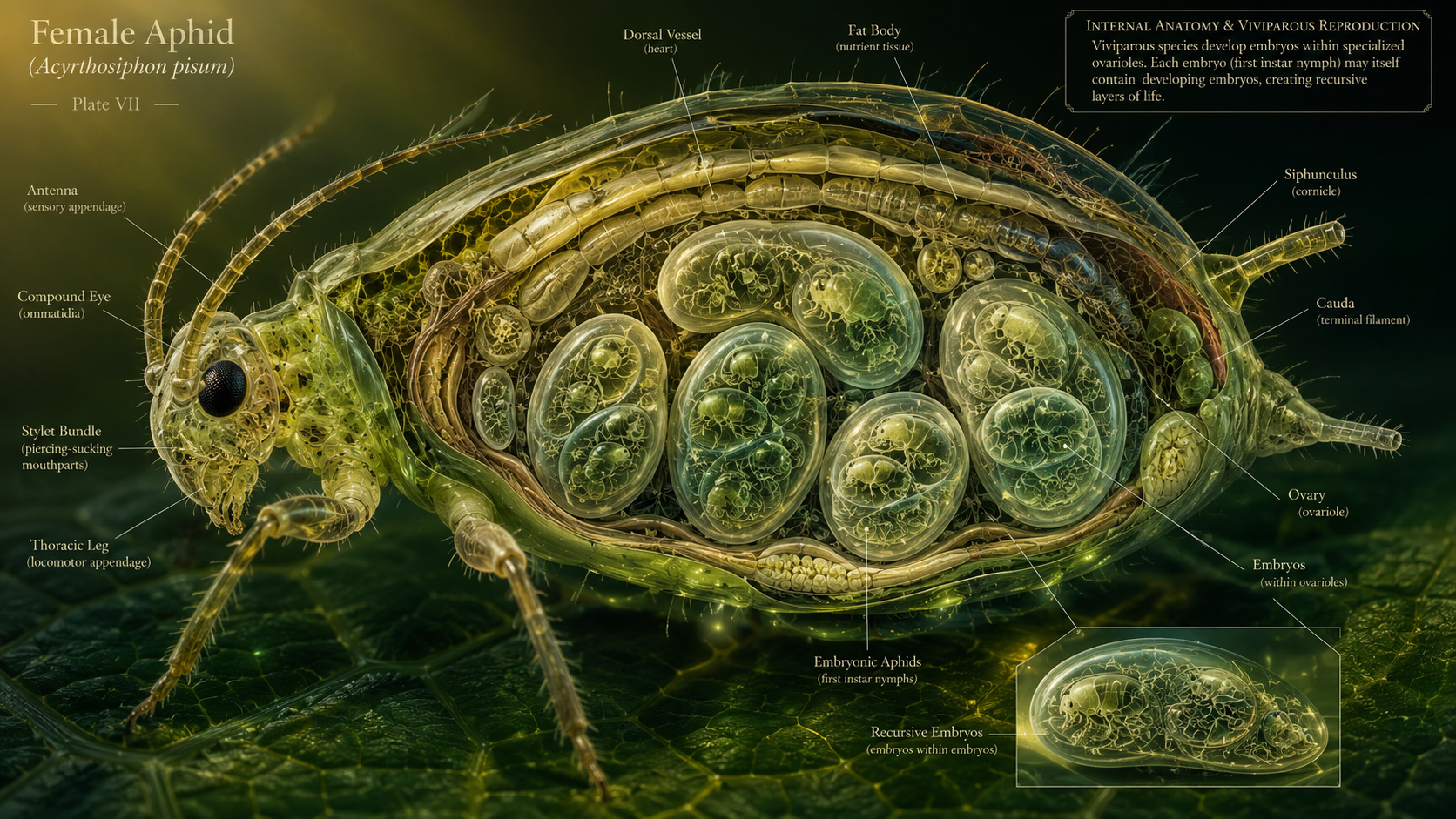
This Insect Is Born Already Pregnant — With Grandchildren
An aphid is born already pregnant. Her daughters — still forming inside her — are pregnant too. Three generations exist simultaneously in a body the size of a sesame seed. This is not science fiction. This is the aphid life cycle, and it is one of the most unsettling reproductive strategies evolution has ever invented. Read more